
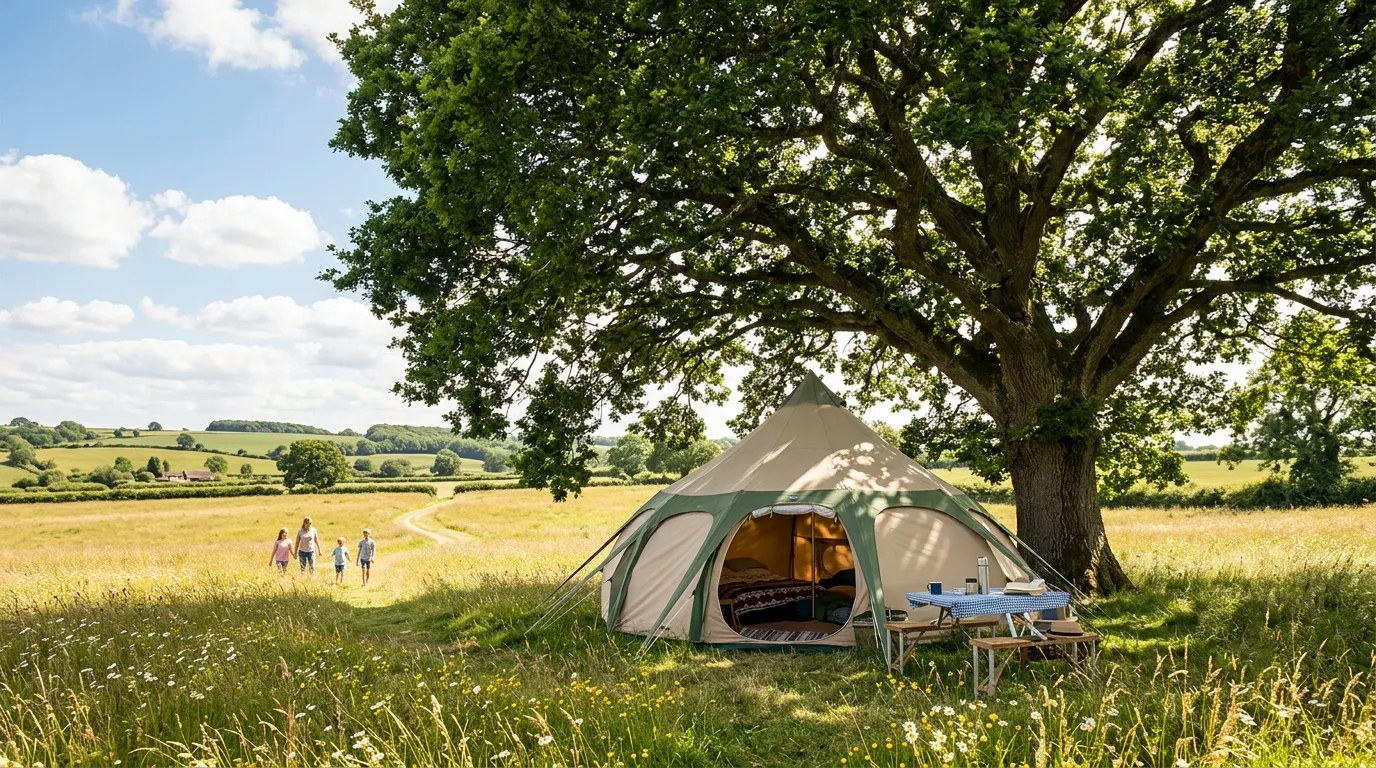
Why is camping in the summer the ultimate tradition for so many families? The direct answer to why summer is the king of camping seasons is a mix of school breaks, predictable warm weather, and the ability to enjoy water-based activities like swimming and kayaking. I have spent a significant portion of my life waking up in a hot tent, and I can tell you that nothing beats the energy of a busy campground in July. It is the time when families come together to disconnect from screens and reconnect with the dirt. While I often talk about the technical challenges of the best ultralight tents for solo hikers, summer is when I pull out the large base camp gear from my best tents for families list to ensure everyone has a comfortable spot to hide from the midday sun.
I noticed that many first-timers find the heat to be a major barrier, but with the right technical approach, it becomes manageable. I am writing this guide to be the definitive resource for anyone who wants to master the peak season. We aren’t just talking about a casual walk in the park. We are talking about surviving 90-degree humidity and sudden afternoon thunderstorms that can flatten a cheap shelter. In my guide on how to prevent mosquito bites while camping, I discussed the biological side of summer, but this article focuses on the environmental and logistical side of the journey.
According to a 2025 consumer trend report, over 70 percent of all camping trips in the United States occur between June and August. This means you are dealing with crowded sites and limited resources. I have learned the hard way that a successful summer trip starts with a different mindset than a fall or spring excursion. Throughout this camping in the summer guide, I will talk about how I choose my site, how I manage my gear, and the specific ways I keep my kids safe from heat exhaustion. Whether you are using a rugged Kodiak Canvas Flex Bow Tent or a lightweight dome, these strategies will help you enjoy the best part of the year without the misery.
How can you manage the intense heat while camping in the summer?
The direct answer to managing summer heat is to prioritize shade, utilize high-ventilation gear, and understand the technical limits of your body in high humidity. I have spent many afternoons hiding under a tarp, and the difference between a direct-sun campsite and a shaded one can be as much as 15 degrees. To help you visualize the risks, I have created a technical safety table based on common camping in the summer conditions I encounter in the field.
| Temperature (F) | Humidity Level | Risk Level | Action Required |
|---|---|---|---|
| 80 – 90 | Low (under 40%) | Moderate | Increase water intake, find shade. |
| 80 – 90 | High (over 70%) | High | Limit physical activity, use mesh tents. |
| 90 – 100 | Any Level | Extreme | Mandatory shade, constant hydration. |
| 100+ | Any Level | Danger | Move to indoor area, skip the trip. |
I noticed while I was testing the Marmot Limestone 6P that the amount of mesh in your tent is your best friend when the mercury rises. You want a chimney effect where cool air comes in the bottom, and hot air escapes out the top. In my main guide on what is a pop up tent, I mentioned that single-wall tents can become ovens in the heat, which is why I suggest double-wall cabins for summer use. If the humidity is high, your sweat cannot evaporate, which makes your perceived temperature much higher than the actual number on the thermometer.
One expert insight I want to share is the use of a battery-operated fan. It sounds like a luxury, but when there is zero breeze at 2:00 AM, that fan is the only thing that will help you fall asleep. I used this trick while living out of the Kelty Wireless 6 dome, and it was a total lifesaver. According to heat-safety protocols, keeping air moving over the skin is the fastest way to lower your core temperature naturally. By understanding these technical factors, you can plan your day so that the hardest tasks happen in the cool morning hours, leaving the afternoon for the lake.
What is the best gear to include on your summer camping list?
The direct answer for summer gear is to focus on breathability, hydration capacity, and lightweight fabrics that shed heat rather than trapping it. While I love the durability of the UNP 10 person tent layout for big groups, I make sure to pair it with a very light sleeping bag. I have seen so many people bring their 20-degree mummy bags on a July trip and wake up miserable. You only need a thin quilt or even just a silk liner when you are camping in the summer. If you have already read my motorcycle camping checklist, you know I value multi-use items, and a large sarong or cooling towel is the perfect summer crossover.
I found that your choice of cooler is just as important as your choice of tent. You need a rotomolded cooler with at least two inches of insulation if you want your ice to last more than 24 hours. I noticed during my Hikergarden tent testing that budget gear often fails in the small details, and the same goes for cheap coolers. If your food spoils because the ice melted, your trip is over. I suggest you pre-chill your cooler with a sacrificial bag of ice the night before you leave to ensure the plastic is already cold when you pack your real food.
One expert insight regarding summer tents: look for models with large awnings or porches. The Big Agnes Bunk House 6 is a perfect example of this. Having a dry, shaded area to sit outside the main tent allows you to catch the breeze while staying protected from the UV rays when camping in the summer. The summer sun is the number one killer of gear. By using a secondary tarp or a large awning, you are protecting the expensive technical fabric of your tent from becoming brittle and leaking. It is a technical investment in both your comfort and your gear’s longevity.
Why is site selection more critical in the summer than in any other season?
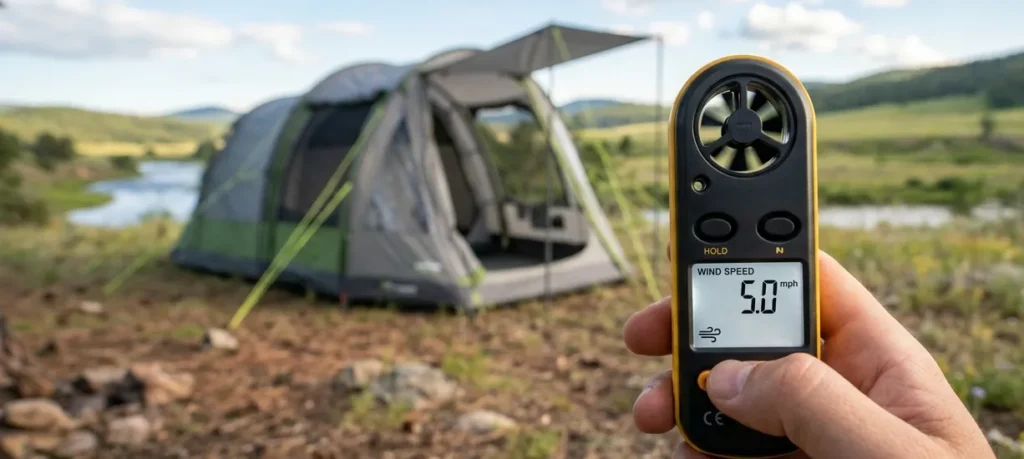
The direct answer to site selection is that you must think about the path of the sun and the direction of the wind to avoid being baked in your tent at dawn. Most people arrive at a site and just look for the flattest ground. But I have learned that the flattest ground is often the hottest. You want to place your tent so that it is shaded on the east side, which will block the intense 7:00 AM sun. In my guide for the best pop up tent, I talked about the speed of setup, but camping in the summer, I will gladly spend an extra twenty minutes moving my tent to the perfect shaded spot.
I found that water proximity is a double-edged sword. While being near a lake is great for swimming, the humidity level near the water is much higher. This can make the air feel heavy and increase the bug pressure I discussed in my guide on how to prevent mosquito bites while camping. I always suggest finding a site that is slightly elevated and away from the shore to catch the strongest breeze. I noticed during my Fanttik outdoor tent review that even a minor hill can provide a much cooler environment than a low-lying valley.
According to various topographical studies, cold air pools in low spots at night, but warm, humid air hangs there during the day. If you want a comfortable experience of camping in the summer, you need to find the high ground. I suggest you look for sites that have a clear opening to the west or south to capture the afternoon wind. As I mentioned in my guide on how to waterproof a tent, a well-ventilated tent is a dry tent. By aligning your doors with the prevailing wind, you allow the air to flow through the mesh and pull out the heat. This simple bit of camp strategy is what separates a veteran traveler from an exhausted beginner.
How do you keep your family safe from heat-related illnesses?
The direct answer to safety is to maintain a strict hydration schedule and recognize the early warning signs of heat exhaustion before they become a medical emergency. When you are camping in the summer, children often get so caught up in playing that they forget to drink water. I have found that giving each kid their own dedicated hydration pack is the best way to monitor their intake. I noticed during my Timber Ridge tent field test that if a child becomes unusually cranky or stops sweating, they are already in the danger zone.
I found that electrolytes are just as important as plain water. If you are sweating heavily, you are losing salt and minerals that water alone cannot replace. I always keep a pack of electrolyte tablets in my gear kit. Professional organizers budget for safety, and you should do the same. A simple five-dollar pack of salt tablets can save a whole trip. According to emergency medical guidelines, a person suffering from heat exhaustion needs to be moved to a cool area immediately and given cool, not ice-cold, liquids.
One expert insight for parents: use the thermal mass of your cooler to help cool down. I suggest you keep a few wet bandanas in your cooler. If anyone starts to look overheated, place a cold cloth on their neck or under their arms. I used this trick while testing the Coleman Montana 8-person tent in a high-humidity forest, and it worked instantly. As I discussed in my post on hard shell vs soft shell rooftop tent, temperature management is a technical part of camping gear. By being proactive and using your resources wisely, you can ensure your family stays healthy and happy even when the sun is at its most intense while camping in the summer.
How should you handle sudden summer thunderstorms with a large group?
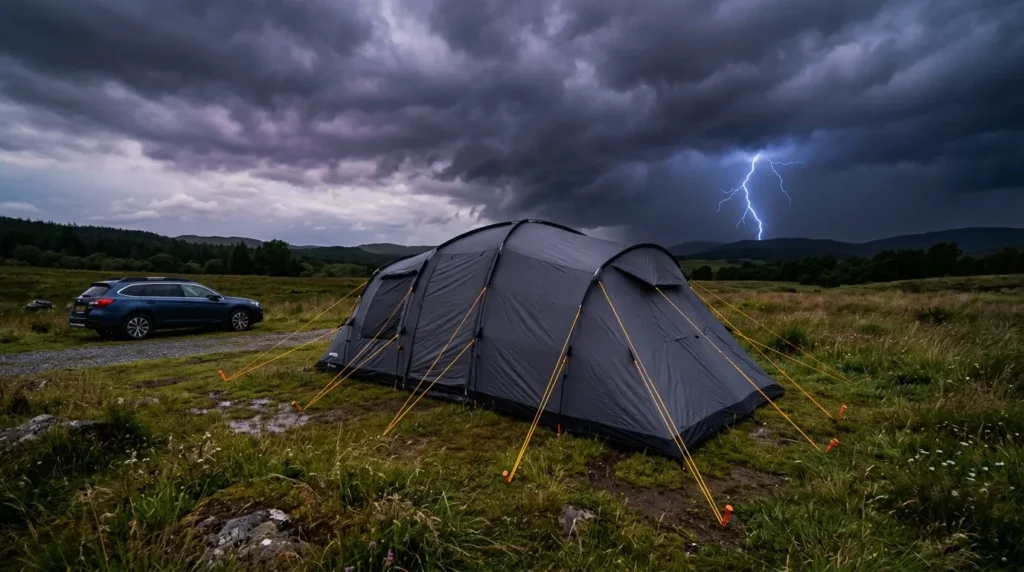
The direct answer to handling summer storms is to have a pre-planned evacuation drill and ensure your tent is anchored with technical precision before the first drop falls. I have seen too many families panic when the sky turns green. Summer storms move fast and hit hard. When I am using a large mansion-style shelter, such as the Hikergarden tent, I make sure to use every single guy-line and stake point. A large tent acts like a giant sail, and if you do not have it pinned down, it will end up in the next county.
I noticed that the most dangerous part of a summer storm is not the rain, but the lightning. In my guide on the best hard shell roof top tent, I explained that you are safer inside your vehicle during lightning than inside a tent with metal poles. If you hear thunder, you should already be moving your crew toward the car. I have sat through many 30-minute deluges from the safety of my SUV, and it is always a better experience than huddled in a wet tent worrying about a lightning strike when camping in the summer.
One expert insight regarding camp storage: always keep your electronics and dry clothes in waterproof bins or dry bags. As I mentioned in my guide on how to seam seal a tent, no tent is a 100 percent guaranteed fortress. If you have a gear explosion of bags sitting on the floor, a small leak can ruin everything. According to technical storm-safety protocols, you should also avoid camping under lone trees, as they are natural lightning rods. Being prepared for a summer storm is about respect for the elements and having a solid backup plan for your family.
Frequently asked questions about mastering the summer camping season
Is it safe to sleep with my tent doors open when camping in the summer?
The honest answer is only if you have a high-quality mesh screen zipped up. The direct reason is that while you want the breeze, you do not want the bugs I discussed in my guide on how to prevent mosquito bites while camping. I noticed during my Browning Big Horn tent review that leaving the outer canvas rolled back allowed for massive airflow while keeping the sleeping area bug-free. I always suggest keeping the mesh closed at all times to prevent any stowaways.
What is the best way to stay clean when there are no showers at the site?
The direct answer is to use oversized body wipes or a portable pressurized spray bottle. I found that the heat makes the lack of a shower much harder to handle. In my guide on how to pack a motorcycle for camping, I talked about the importance of hygiene gear, and a simple gallon of water left in the sun can act as a warm rinse at the end of the day. Keeping your skin clean also helps prevent the irritation from bug sprays and sunscreen.
How do I prevent food from spoiling in a hot car during the day?
The direct answer is to never leave your cooler inside a parked car. I have measured car interior temperatures exceeding 140 degrees in direct sun, which will kill your ice in hours. I suggest you keep your cooler in the deep shade under your tent awning or a table. As I mentioned in my best tents for families list, use the shade provided by your gear to protect your food supply. Block out the sun with a space blanket for even more efficiency.
Can I use a reflective tarp over my tent to stay cooler?
Yes, the direct reason this works is that the reflective surface bounces the radiant heat away before it hits your tent fabric. I noticed during my Topoak Vision tent review that these materials can lower internal temperatures by ten degrees. Just make sure there is an air gap between the tarp and the tent, or you will trap the heat inside. I suggest using four extra poles to create a floating sunshield over your main dome.
Are summer sleeping pads different from winter ones?
The direct answer is that you do not need a high R-value for summer. R-value measures insulation, and in the summer, you want the heat to escape your body. I found that a simple inflatable pad with an R-value of 1 or 2 is perfect. I noticed in my Naturehike Mongar 2 review that using a pad that is too warm can actually cause you to sweat more at night. Choose a pad that focuses on comfort and breathability rather than heat retention.
Making the most of your camping in the summer adventure
At the end of the day, camping in the summer is about embracing the warmth and the long days while using your technical gear to stay comfortable. By prioritizing shade, staying hydrated, and choosing the right gear from my best tents for families guide, you can have a successful trip even in the peak of July. It is a season of growth and exploration for your children, and a few simple safety steps are all it takes to keep the focus on the fun.
The direct answer to whether you should go for it is a resounding yes. Summer offers a level of freedom and adventure that no other season can match. I have laid out all the best technical solutions in this guide to help you avoid the mistakes I made when I was a beginner. I suggest you start by checking your hydration gear and finding a site with good natural shade.
Summer is short, and the trail is waiting. I will see you at the next lakeside campsite.