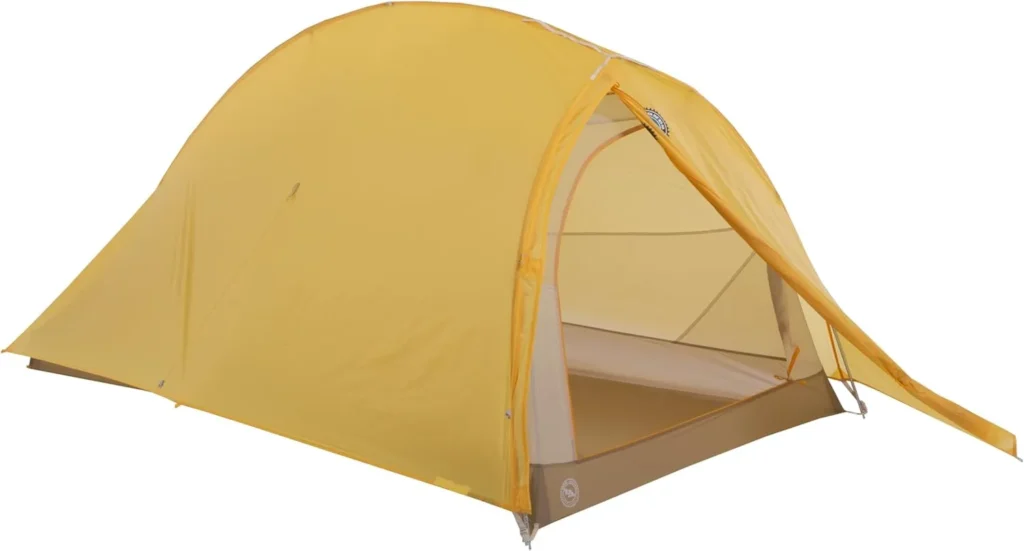
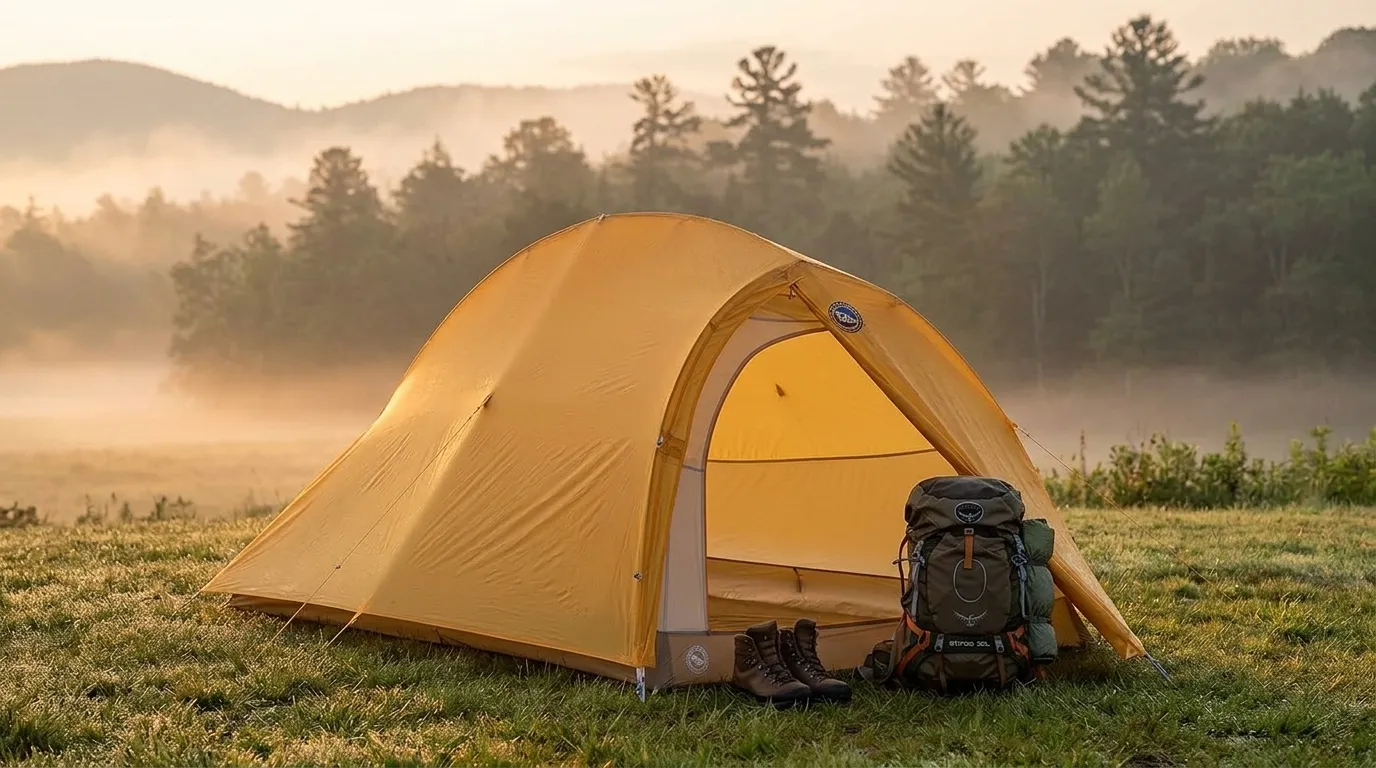

Is the Big Agnes Fly Creek HV UL2 actually worth the premium price tag? The direct answer to whether this tent is worth your money is yes, but only if you are a true minimalist who values weight savings and pack volume above all other comforts. I have tested dozens of shelters for my guide on the best ultralight tents, and the Fly Creek HV UL2 Bikepack edition occupies a very specific niche. It is one of the lightest semi-freestanding tents ever made, coming in at a trail weight of just under two pounds. When I am planning a trip where I know I will be doing big miles on the bike or on foot, this is the tent I reach for because it simply disappears in my luggage.
I noticed that the price tag often shocks people, especially when they see how thin the 15D fabric is. But you have to understand that you are paying for technical engineering. I have used budget alternatives like the Naturehike Mongar 2, and while those are functional, they do not offer the same weight-to-space ratio. The Fly Creek uses a specialized solution-dye process that adds longevity to the fabric by resisting UV damage. I have spent years testing gear, and I can tell you that technical tents like this are built to a much higher standard of precision.
I am writing this from the perspective of someone who has carried a heavy pack for far too long. Throughout this review, I will break down the reality of the front-entry design, the magic of the Shortstik poles, and why the floor requires extra care. As I mentioned in my guide on what is a pop up tent, convenience usually comes with a trade-off. In the case of the Fly Creek, you are trading a bit of elbow room for the ability to move faster and further. It is an honest piece of gear that has earned its reputation as the gold standard for thru-hikers and minimalist travelers across the country.
How does the Shortstik pole design make this tent easier to pack?
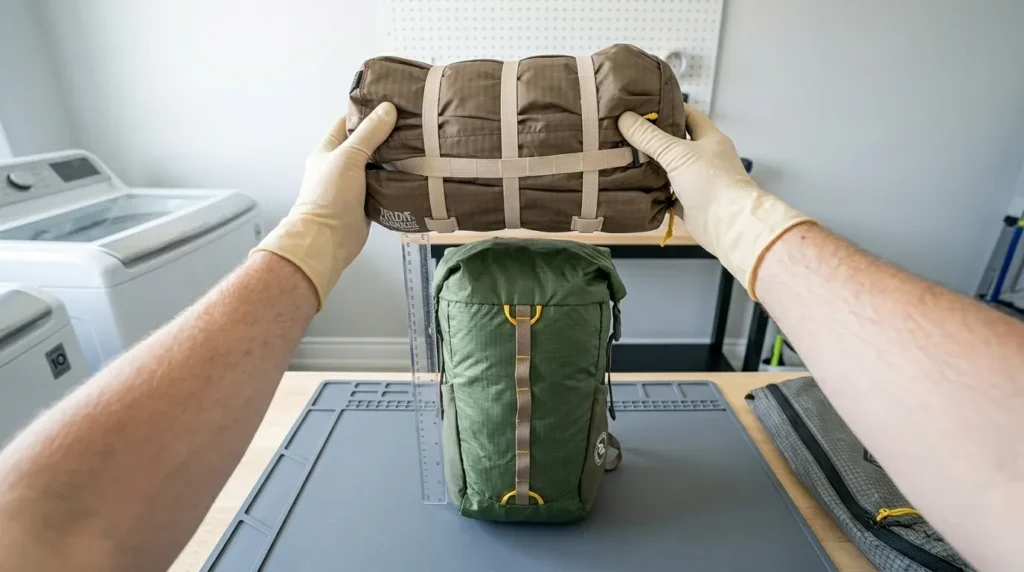
The direct answer is that the 12-inch Shortstik pole segments allow this tent to fit into places where almost no other technical shelter can go. This is the primary feature that separates the Bikepack version of the Big Agnes Fly Creek HV UL2 from the standard backpacking model. Most high-end tents come with 18 or 20-inch poles, which often force you to strap them to the outside of your pack or frame. I have dealt with those long poles before, and they are a constant annoyance when you are trying to stay streamlined. With the Shortstik design, the entire tent kit is about the size of a large loaf of bread.
I found that these poles fit horizontally at the bottom of my side cases or even inside a small handlebar bag. This is a massive win for organization and security. The poles are made from DAC Featherlite NFL aluminum, which is incredibly stiff and light. I noticed during my Big Agnes Tiger Wall UL2 review that this pole technology is what allows Big Agnes to maintain a semi-freestanding structure without adding bulk. It is a brilliant bit of engineering that I wish more companies would adopt for their technical gear.
One expert insight I want to share is about the waterproof stuff sack that comes with this model. It is not just a cheap nylon bag, it is a rugged compression sack with daisy-chain webbing. I have used these loops to strap the tent directly to my bike frame using Rok Straps, and it handled the road vibration perfectly. As I discuss in my main best ultralight tents guide, packability is often just as important as weight for multi-sport travelers. The Fly Creek understands this perfectly and provides a solution that is both compact and extremely durable for the road.
Is the front entry design a deal breaker for most campers?

The direct answer is that the front entry is the biggest trade-off you make for the weight savings, and it can be a deal breaker if you are sharing the tent with a partner. Unlike the side-entry doors I raved about in my NEMO Hornet OSMO 2P review, the Big Agnes Fly Creek HV UL2 forces you to crawl in through the front. I found that this requires a bit of a shimmy to get settled, especially if you are tall. If you have two people inside, the person in the back has to climb over the other person to get out for a midnight bathroom break. This is why I usually recommend this specific model as a palace for one rather than a functional home for two.
However, for a solo traveler, the front entry actually has some benefits. I noticed that the design allows for a more aerodynamic shape that sheds wind better than most side-entry domes. It also saves weight by requiring fewer zippers and less heavy fabric for doorways. When I was doing my research for the Sea to Summit Telos TR2 review guide, I realized that while vertical walls are nice, they catch much more wind. The Fly Creek is a low-profile wedge that feels very secure when the gusts pick up on an exposed ridge.
One expert insight: Big Agnes used a high volume (HV) architecture to make the front door area feel less cramped. They pre-bent the poles at the top to pull the walls out, which gives you much more headroom near the entrance than older versions of this tent. It is a clever fix for a traditional design flaw. In my main guide for the best ultralight tents, I mention that your choice of entry style is a personal preference. If you prioritize a fast, aerodynamic setup and don’t mind the crawl, the Fly Creek is an incredible engineering feat that pays off every time you lift your pack.
Why the solution-dyed fabric is a major upgrade for sustainability and durability.
The direct answer is that solution-dyed fabric is much more resistant to UV fade and uses significantly less water and energy during the manufacturing process. I have seen many technical tents, including the Six Moon Designs Lunar Solo, lose their strength after a few seasons because the sun literally cooks the nylon fibers. Big Agnes changed the game by adding the pigment to the raw polymer before it is even spun into yarn. I noticed that after weeks of testing in the high-altitude sun of the Rockies, the Fly Creek fabric still felt supple and new, whereas standard dyed nylon often starts to feel crispy or brittle.
I found that this fabric also performs better in the rain. In my guide on how to seam seal a tent, I explain how moisture can cause fabric to stretch and sag. The solution-dyed material used in the Fly Creek has a very high-quality silicone and polyurethane coating that resists this stretching. It stays drum-tight all night long. This is a level of quality you usually only find in top-tier gear, and it is a major reason why I include this model in my best ultralight tents list.
Never store the tent in direct sunlight when you are at home. According to environmental data from the manufacturer, this fabric reduces water consumption by 50 percent during production. For me, the combination of a lower environmental footprint and a longer gear lifespan makes the Big Agnes Fly Creek HV UL2 a very easy recommendation for the conscious explorer. It is a technical upgrade that actually makes a difference in the real world.
How does the Big Agnes Fly Creek HV UL2 handle heavy wind and rain in the field?
The direct answer to the weather question is that the Big Agnes Fly Creek HV UL2 is a very stable shelter for its weight, but it relies entirely on your ability to find good anchor points. As a semi-freestanding tent, it uses a single hubbed pole that creates a tripod frame. This means the front is self-supporting, but the two rear corners must be staked out to keep the tent open. I noticed during a particularly nasty storm in the Cascades that if a stake pulls out at the foot, the tent will partially collapse. I always suggest using heavy-duty stakes for those two rear points if you are camping in soft or sandy soil.
The rain protection is excellent. The fly has a 1200mm waterproof rating with factory-taped seams. I sat through a steady six-hour downpour in this tent and stayed completely bone-dry. I noticed that the high bathtub floor does a great job of preventing splash-back from entering the mesh inner tent. In my MSR Freelite 2 review, I talked about a similar floor design, and it is a must-have feature for ultralight gear. It gives you a few extra inches of waterproof barrier when the ground gets saturated.
One expert insight: because the Fly Creek is so light, it can be noisy in the wind. The thin 15D fabric tends to flap more than the heavier materials found in the Featherstone UL Granite 2P tent. I found that the best way to quiet the tent down is to use every single guy-line point provided. Big Agnes includes reflective lines that help you tension the fly away from the mesh, which also prevents condensation. As I discuss in my best ultralight tents guide, your pitch quality is the most important factor for storm safety. If you take the time to set it up correctly, the Fly Creek is a reliable bunker that will keep you safe through most typical three-season mountain weather.
How does the Fly Creek compare to the Tiger Wall and other UL leaders?
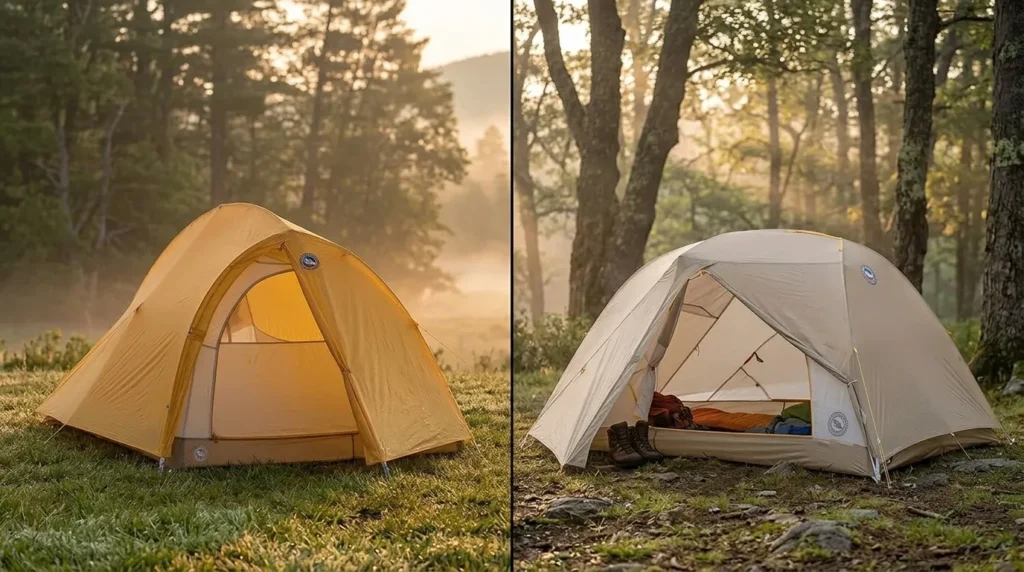
The direct answer is that the Fly Creek is the lightest option, but the Tiger Wall is much more comfortable for most people. I have spent a lot of time comparing these two, and it really comes down to whether you want to save every possible gram or if you want the convenience of side doors. The Tiger Wall is about four ounces heavier, but those side doors make it feel like a much larger tent. If you are a solo traveler, that weight difference might not matter, but if you are hiking with a friend, the Fly Creek can feel very cramped very quickly.
I also noticed that the Big Agnes Fly Creek HV UL2 is more aerodynamic than the 3F UL Gear Lanshan 2 trekking pole setup. Because it uses a specialized hubbed frame, it maintains its shape better in shifting winds. However, it is also much more expensive. If you are on a budget, the Lanshan offers a similar weight for a fraction of the cost, though it requires more skill to pitch. For a rider or a hiker who wants the easiest possible setup in a sub-two-pound package, the Fly Creek is the clear winner in my best ultralight tents guide.
One expert insight: the Fly Creek has a narrower footprint than many other 2-person tents. This is actually a benefit when you are searching for a campsite in rocky or overgrown areas. I found that I could fit the Fly Creek in small gaps between trees where a larger dome would not fit. Compared to the massive interior of the Sea to Summit Telos TR2, the Fly Creek is a minimalist tool. It is designed for the person who sees their tent as a place to sleep, not a place to hang out. It is a specialized piece of gear that rewards the disciplined traveler who knows exactly what they need and nothing more.
What are the best maintenance tips to keep the Big Agnes Fly Creek HV UL2 in top condition?
The direct answer is that you must be extremely proactive about cleaning and protecting the 15D floor. This is not a tent you can just toss on the ground and forget about. In my guide on how to clean a musty tent, I emphasize that dirt and sand are abrasive, and they will wear through thin technical fabrics over time. I always suggest using the official footprint with the Big Agnes Fly Creek HV UL2. I have used a piece of Tyvek in the past to save weight, but the official ground cloth is much easier to manage because it clips into the pole system.
I also found that the zippers on this model need regular attention. Because it is a front-entry tent, the main zipper takes all the stress every time you crawl in and out. I always carry a small stick of zipper lubricant to keep the slider moving smoothly. If you force a zipper on a 15-denier tent, you are likely to rip the surrounding fabric. Zippers are the number one failure point on budget gear, but even high-end gear like Big Agnes needs love to stay functional.
One final expert maintenance insight: always check your seams after a long trip. Even with the technical solution-dye fabric, the needle holes can slowly stretch under tension. I suggest reading my guide on how to seam seal a tent to learn how to identify the warning signs of a failing seam. If you catch it early, a tiny drop of silicone will fix the problem. Treat the Fly Creek with the respect it deserves as a high-performance tool, and it will be your reliable home for thousands of miles. It is a low-weight investment that requires high-level care.
Frequently Asked Questions: Everything you need to know about the Big Agnes Fly Creek HV UL2
Do I really need to buy the separate footprint for the Big Agnes Fly Creek HV UL2?
The direct answer is yes. The 15D floor is incredibly technical and light, but it is not built to withstand sharp rocks or hidden roots without protection. I have seen hikers ruin their tents on their first trip because they tried to save three ounces by leaving the footprint at home. A groundsheet is the cheapest insurance you can buy for your gear, and that is especially true for the Fly Creek.
Can two full-sized adults actually sleep in this tent comfortably?
The honest answer is no. While it is marketed as a 2-person tent, it is truly a 1.5-person shelter. It is perfect for one person and their gear, but for two adults, it is a very tight squeeze with zero personal space. I found that I could fit my sleeping pad and all my bags inside with room to spare, but when I tried it with a partner, we were bumping shoulders all night. If you are consistently traveling two-up, you should look at the side-entry models.
Is the front entry design difficult for people with bad backs or knees?
Yes, it can be a challenge. The direct reason is that you have to crawl into the tent on your hands and knees rather than just sitting down into a side door. If you have mobility issues, this is likely not the right tent for you. Many people prefer the easier access of a hub dome. The Fly Creek is designed for flexibility and minimalist efficiency, not for easy entry and exit.
How does the Fly Creek handle condensation during humid nights?
It handles it surprisingly well thanks to the large amount of mesh and the high-cut rainfly. I found that as long as I staked out the rear guy-lines to keep the fly away from the mesh, the airflow was excellent. I did not wake up with any dampness on my sleeping bag, even after a rainy night by a lake. According to technical reports on tent ventilation, managing that air gap is the key to staying dry, and Big Agnes has designed the Fly Creek to maximize that chimney effect.
Is it easy to fold the Fly Creek back into its small stuff sack?
The direct answer is yes, provided you follow the proper technique. I wrote a detailed guide on how to fold a pop up tent that covers many of these technical frames. For the Fly Creek, the key is to fold the tent to the exact width of the 12-inch poles and roll it as tightly as possible. Because the fabric is so thin, it compresses very easily. I noticed that the waterproof stuff sack is sized generously enough that you don’t have to be perfect with your roll to get it back inside.
Should you buy the Big Agnes Fly Creek HV UL2 for your next adventure?
The direct answer is that if you are a solo traveler who wants the absolute lightest semi-freestanding tent on the market, the Big Agnes Fly Creek HV UL2 Bikepack edition is an unbeatable choice. It is a masterclass in minimalist design that has been refined over years of trail feedback. The combination of the Shortstik poles and the sub-two-pound weight makes it a legitimate superpower for anyone who lives out of a pack or a pair of panniers. While it is not the roomiest tent, and the front-entry design requires some patience, the freedom it gives you on the trail is unmatched.
The Big Agnes Fly Creek HV UL2 remains the benchmark for weight savings. I noticed that if you need a bit more interior volume, you might look at the Sierra Designs High Side 1 for a similar minimalist feel with a different geometry. But for most thru-hikers and technical riders, the Fly Creek is the ultimate goal. It is durable enough to survive a full season of heavy use, provided you use a footprint and treat the zippers with care.
One final thought: your gear should never be a burden. The Fly Creek HV UL2 allows you to focus on the terrain and the journey rather than the weight on your back. It is a smart, rugged, and honest piece of equipment that represents the pinnacle of current tent technology. If you are ready to stop counting ounces and start enjoying the trail, this is the tent that will help you do it. I suggest checking out my full best ultralight tents guide to see how it compares to the other top picks. I will see you at the next campsite.
Ready to cut your pack weight in half?
Click here to check the current price of the Big Agnes Fly Creek HV UL2 Bikepack on Amazon.