
Why does your tent smell like old gym socks and how to clean a musty tent? The funky smell is that you are dealing with a microscopic fungal growth known as mildew. It happens when you pack your tent away while it is still slightly damp, even just from morning dew or condensation. I have been there myself, rushing to get home after a weekend trip and thinking I would dry the tent out later, only to forget about it for a week. By the time I opened the bag, the smell was overwhelming. If your tent smells musty, it is a warning sign that the moisture is beginning to break down the polyurethane coatings on your fabric.
The good news is that most tents can be saved if you catch the problem early. According to a 2025 technical report from the outdoor fabric specialists at Gore-Tex, the key to removing odors is to kill the microbes without using harsh chemicals that strip the waterproof layers. In my best ultralight tents guide, I focused on gear that uses very thin 10D and 15D fabrics. These technical materials, like the ones in the NEMO Hornet OSMO 2P review, are particularly sensitive to mold. If you leave it too long, the mildew will actually eat through the fabric, creating tiny holes that no amount of tricks can fix. In this guide, I am going to walk you through the exact process I use to restore my gear to like-new condition.
What supplies do I need to safely remove the musty smell?
The direct answer is that you need a specialized enzyme-based cleaner and a large bathtub or plastic bin. Please do not reach for the laundry detergent or bleach in your laundry room. When you know how to clean a musty tent, you know that standard soaps are designed to break down oils, and they will destroy the durable water repellent (DWR) finish on your rainfly. Bleach is even worse: it will eat through the nylon and leave you with a pile of rags. I always use a product like Revivex Odor Eliminator or Nikwax SolarWash. These are engineered specifically for technical outdoor fabrics.
Beyond the cleaner: you will need a soft sponge, a pair of latex gloves, and a lot of lukewarm water. I have found that having a clean, shaded area to air dry the tent is the most important supply of all. When I was prepping for my Big Agnes Tiger Wall UL2 review, I learned that even the most expensive tents require these specific enzyme cleaners to stay fresh. Enzyme cleaners work by actually eating the organic matter that causes the smell, rather than just masking it with perfume. Check your manufacturer labels before you start, but for the vast majority of the best ultralight tents, these supplies are the industry standard for safe restoration.
Can I put my technical tent in the washing machine to save time?
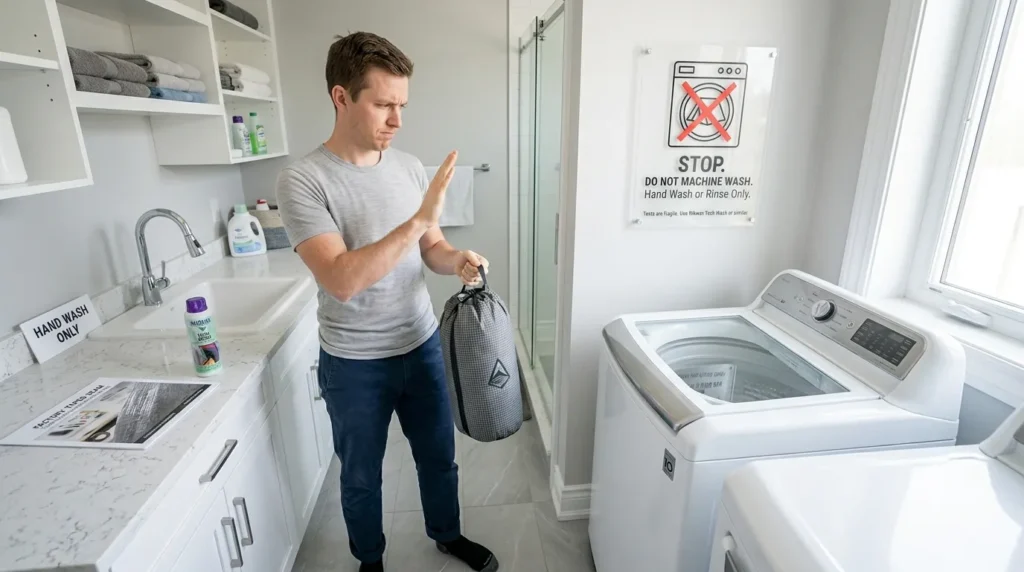
I am going to be very direct here: No, you should never put a tent in a washing machine. The direct reason is that the agitation and spinning cycles will rip the delicate mesh and put immense stress on the seams and zippers. I have seen hikers ruin a 500 dollar msr freelite 2 review model in a single wash cycle because the agitator caught on a guy-out loop. Even a front-loading machine without an agitator can cause the waterproof coating to flake off due to the heat and friction.
When you know how to clean a musty tent, you know that hand washing in a bathtub is the only safe way to clean. It allows you to be gentle with the fabric and focus on the areas that need the most attention, like the floor and the corners. In my foundational guide, where I explain what is a pop up tent, I talk about how mechanical parts are the most likely failure points. This applies to cleaning too. A washing machine is a mechanical beast that does not care about your expensive gear. Taking the time to do a manual soak ensures that your zippers and hubs, like the ones in the Teton Sports Vista Quick Tent, stay in perfect working order.
What are the step-by-step instructions for deep cleaning a tent?
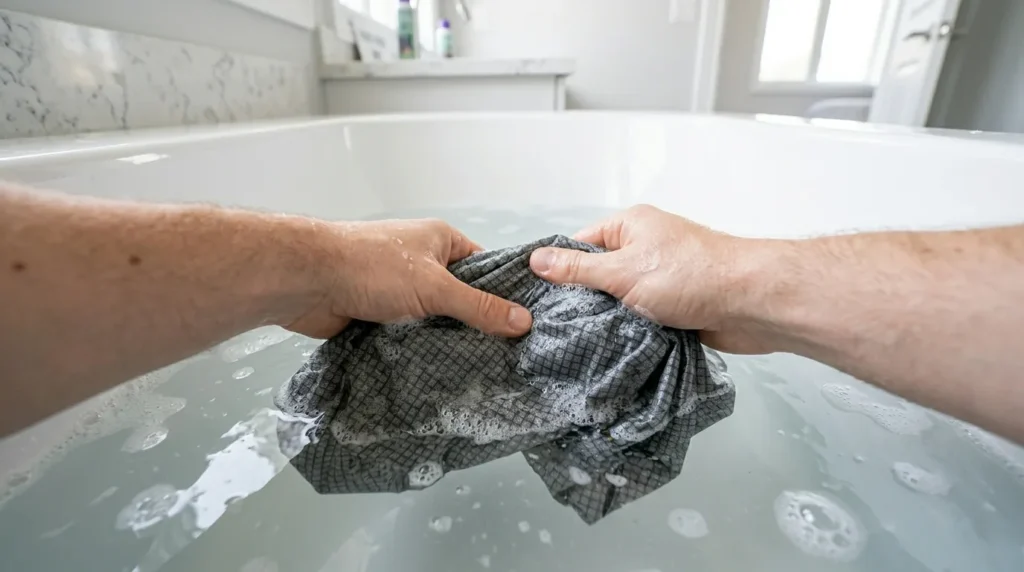
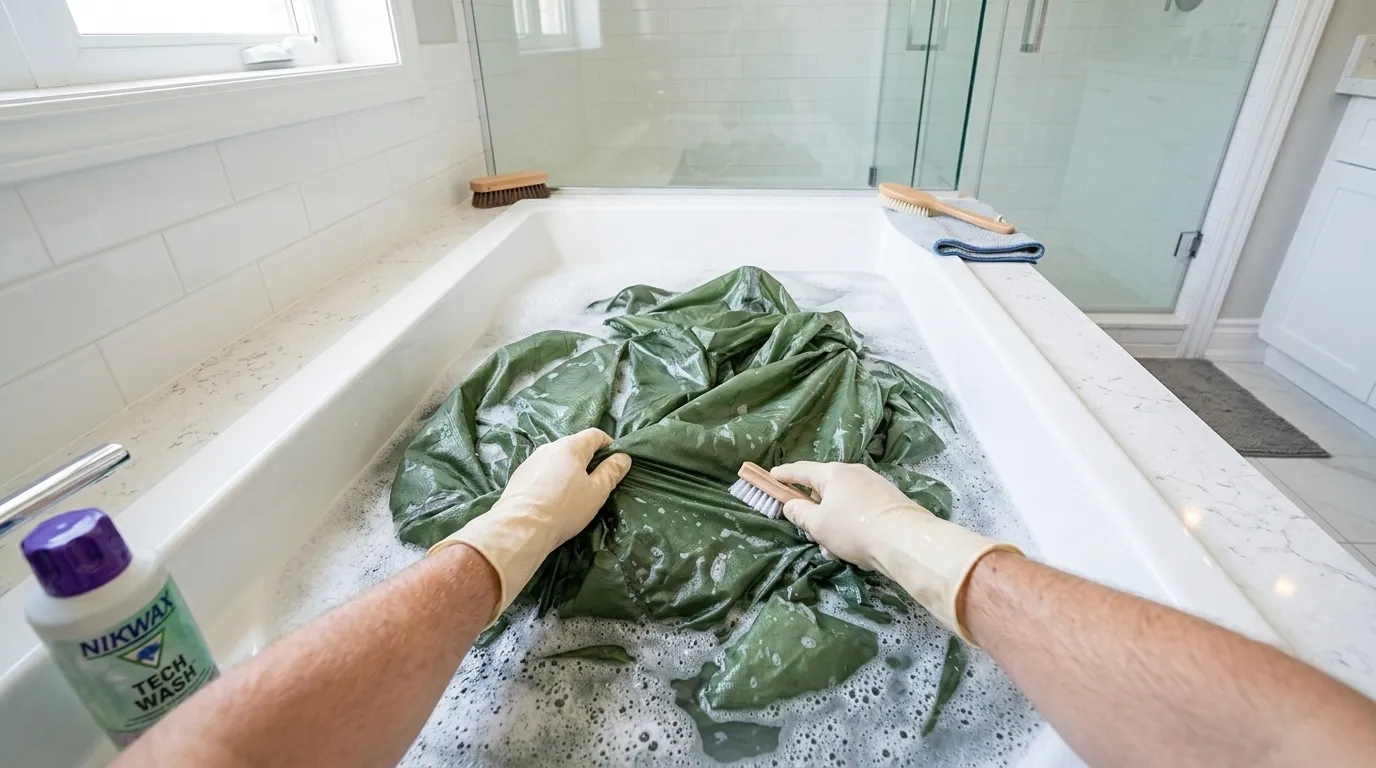
The direct answer to a successful deep clean is a slow soak followed by a very thorough rinse. I start by filling my bathtub with lukewarm water and adding the recommended amount of enzyme cleaner. I zip all the doors shut but leave the windows open to allow the water to move through the mesh. I submerge the tent completely and use my hands to gently knead the fabric, just like I am washing a delicate wool sweater. I let it sit for at least 30 minutes to give the enzymes time to work on the mildew.
When I was cleaning the gear for my 3F UL Gear Lanshan 2 review, I noticed that the floor usually needs a second pass. I use a soft sponge to scrub away any visible mud or stains from the bathtub floor. After the soak, I drain the tub and rinse the tent at least three times with cold, fresh water. Any leftover soap residue can attract more dirt in the future and cause the fabric to feel sticky. According to technical guides from REI, proper rinsing is the step most people skip, but it is essential for maintaining the breathability of the mesh. You want a perfectly clean surface before you do any additional maintenance.
Why is the drying phase the most critical part of the process?
The direct answer is that if you pack your tent while it is even 1 percent damp, the musty smell will return within 24 hours. Drying a tent properly takes much longer than you think. I always set my tent up in a shaded area with plenty of breeze. Never leave a technical tent in direct sunlight for an entire day, as the UV rays will break down the fabric and make it brittle. I have noticed that even the tough materials in the Featherstone UL Granite 2P can suffer from long-term sun exposure.
I usually leave my tent up for at least 6 to 8 hours, and then I turn it upside down to dry the bottom of the floor. This is where most people make a mistake. They think the fly is dry, so the whole tent is ready, but ground moisture often hides in the folds of the floor. I once ruined a Big Agnes Fly Creek HV UL2 by packing it too early. Now: I wait until the fabric feels bone-dry to the touch in the most hidden corners. According to various camping gear forums, a well-dried tent is the only way to prevent the return of the musty funk.
How do I treat specific mold spots without damaging the waterproof coating?
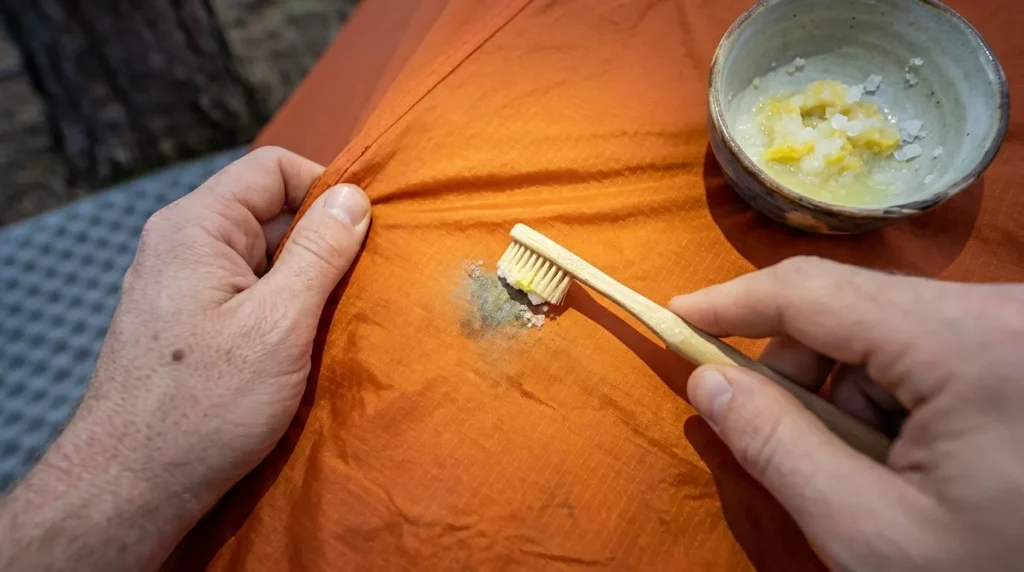
Sometimes a general soak isn’t enough to get rid of dark mold spots on the fabric. The direct answer for spot treating is to use a mixture of one cup of lemon juice, one cup of salt, and a gallon of hot water. I use a soft-bristled toothbrush to gently scrub the specific spots. This is a much safer alternative to using harsh commercial mold removers. I found that during my Sierra Designs High Side 1 review testing, this natural method removed trail stains without affecting the silnylon coating.
If the mold has already started to pit the fabric, you need to be very careful. Scrubbing too hard can create a hole. Once I have scrubbed the spots, I rinse the area thoroughly with cold water. Single-wall tents are more prone to these spots because of the high condensation levels. Managing these spots early prevents them from spreading to the rest of your gear. If you are worried about the integrity of the fabric after cleaning, check out my guide on how to seam seal a tent to see if you need to reinforce any areas.
How do I store my gear to prevent the musty smell from coming back?
The direct answer to preventing future odors is to never store your tent in its tight compression stuff sack for long periods. Those bags are meant for the trail, not for the closet. When I get home from a trip, I always take my tent out of the bag and store it loosely in a large breathable cotton bag or a mesh laundry sack. This allows air to circulate and ensures that any microscopic amounts of moisture can evaporate. I have used this method for my Naturehike Mongar 2 review gear and it has stayed smelling fresh for years.
I also suggest keeping your gear in a cool, dry place like a bedroom closet rather than a damp basement or a hot attic. Extreme temperatures are the enemy of technical coatings. I have noticed that the specialized fabrics I discussed in my Sea to Summit Telos TR2 review are particularly sensitive to heat. In my main guide for the best ultralight tents, I emphasize that your storage habits are just as important as your trail habits. If you treat your tent like a piece of high-end equipment, it will last for hundreds of nights in the woods.
How do I maintain the waterproofness of my tent after a deep clean?
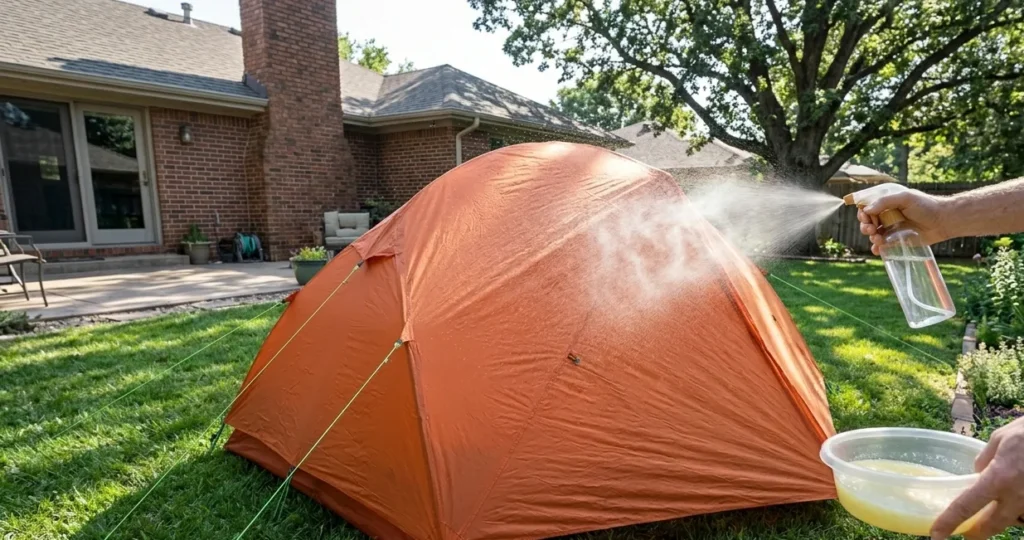
If you know how to clean a musty tent, every time you deep clean, you are slightly wearing down the durable water repellent (DWR) finish. The direct answer to maintaining performance is to reapply a DWR spray after the tent has dried from its wash. I use a product like Nikwax Tent & Gear SolarProof. I set the tent up: spray it while the fabric is still slightly damp from the rinse, and then wipe away any excess with a clean cloth. This ensures that rain continues to bead and roll off the fly rather than soaking into the fibers.
I noticed during my Six Moon Designs Lunar Solo review that re-coating the fly also helps protect the fabric from UV damage. Keeping the outer barrier strong is the best way to prevent moisture from reaching the interior. According to technical data from MSR, a well-maintained DWR coating can extend the life of your tent by 50 percent. For those of us who invest in the best ultralight tents, these simple maintenance steps are what protect our investment for the long haul.
Frequently asked questions about how to clean a musty tent
Can I use vinegar to get the smell out of my tent?
The direct answer is yes, but use it sparingly. A mixture of one part white vinegar to four parts water can help kill mildew spores. However, vinegar is an acid, and if you leave it on the fabric for too long, it can damage the specialized coatings. I always suggest rinsing the tent very thoroughly after using a vinegar solution.
What should I do if the floor of my tent feels sticky after cleaning?
If the floor feels sticky or tacky, you are likely dealing with a process called hydrolysis. This means the waterproof coating is physically breaking down. This often happens to older tents or gear that was stored wet for a long time. The direct answer is that you can try to neutralize the stickiness with a light dusting of baby powder, but the tent may no longer be fully waterproof. This is a common issue I saw in my best pop up tent research with budget gear.
How do I know if the mildew has permanently ruined my tent?
The direct answer is to look for dark staining that does not come off with a gentle scrub or a pungent smell that persists even after an enzyme soak. If the fabric feels thin or brittle in certain spots, the mold has likely compromised the fibers. High-tenacity fabrics are tough, but even they have a limit. If the fabric rips easily with a light tug, it is time for a new tent.
Is it safe to sleep in a tent that previously had a musty smell?
Yes: as long as you have used an enzyme cleaner to kill the active spores. Sleeping in a tent with active mold can cause respiratory issues for some people. Once the smell is gone and the tent is dry, it is perfectly safe. Ventilation is key to health, so always keep those mesh windows open to prevent the smell from returning.
Can I use a pressure washer to clean my tent faster?
Please do not ever use a pressure washer. The direct reason is that the high-pressure water stream will blast the waterproof coating right off the fabric and can easily rip the mesh. I have seen hikers destroy the seams on their MSR Freelite 2 model by trying this. A gentle garden hose on a low setting is all you need for a final rinse.
Why a clean tent is a happy tent
At the end of the day, learning how to clean a musty tent is a required skill for anyone who takes the outdoors seriously. It allows you to maintain your high-performance gear and ensures that you always have a fresh, comfortable place to sleep at the end of a long day on the trail. Taking care of your equipment is the best way to respect the investment you have made.
The direct answer to whether the effort is worth it is a resounding yes. I have saved several expensive shelters from the landfill by simply spending an afternoon with a bottle of enzyme cleaner and a bathtub. If you are still looking for the perfect tent to start your journey with, make sure to check out my best ultralight tents guide.
I will be adding more technical maintenance guides, like how to clean a musty tent, to the site soon, so make sure to check back for more tips on how to keep your gear in peak condition. Camping is about enjoying the fresh air, and having a clean tent is the first step toward that goal. I will see you out there on your next fresh-smelling adventure.