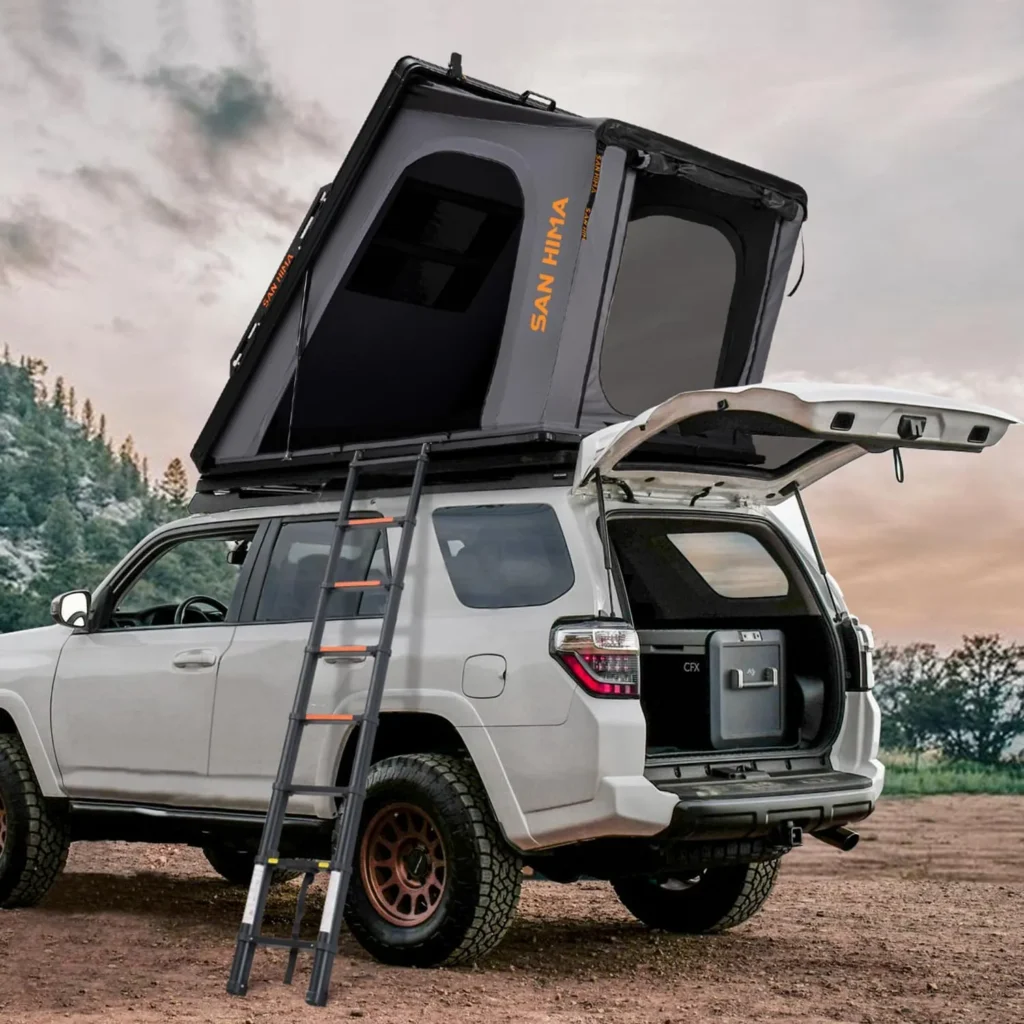
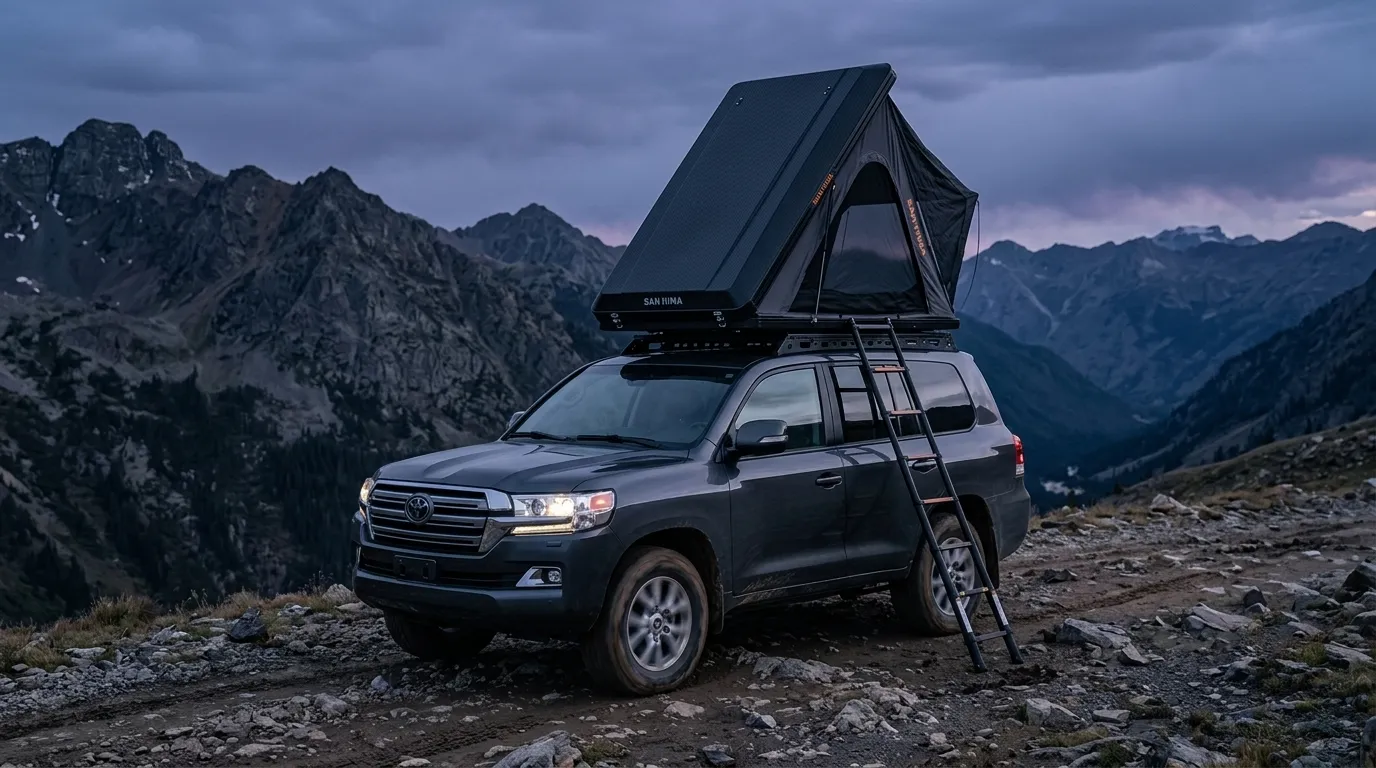

Is the San Hima Rooftop Tent worth the investment? The direct answer to the value question is that the San Hima Rooftop Tent is a top-tier choice for serious overlanders who live in cold or wet climates and need a shelter that feels like a legitimate vault. I have tested a few models for my hard shell roof top tent guide, and the San Hima is the one I reach for when I know the forecast looks miserable. While I appreciate the slim profile of the Naturnest rooftop tent, the San Hima offers a level of material thickness and structural rigidity that makes it feel much more secure in a storm. It is a professional-grade tool that prioritizes survival and sleep quality over absolute weight savings.
I have broken down my evaluation into six core categories to show you exactly how this tent performs in the field. I believe that a rooftop tent is a technical addition to your vehicle, so I have rated the San Hima based on the engineering factors that matter most for long-term ownership.
I noticed right away that the 280G polyester-cotton canvas is much quieter in the wind than the thin nylon found in my best ultralight tents guide. When the wind picks up to 25 miles per hour, this tent does not flap or vibrate nearly as much as its competitors. For a solo traveler or a couple who wants the peace of mind of a rigid aluminum roof, the San Hima is a formidable setup. As I mentioned in my guide on are rooftop tents worth it, the move to the roof is about improving your quality of life, and the San Hima rooftop tent delivers that through pure ruggedness.
Overall Rating: 4.6/5
| Rating Criteria | Score (Out of 5) |
|---|---|
| Weather Protection | 4.9 |
| Build Quality and Materials | 4.8 |
| Interior Insulation | 4.7 |
| Setup and Pack-down Speed | 4.5 |
| Aerodynamics and Profile | 3.8 |
| Value for Money | 4.6 |
What are the pros and cons of the San Hima Rooftop Tent?
The direct answer is that the San Hima rooftop tent wins on durability and weatherproofing, but its heavy weight and heat absorption in the sun are factors you need to plan for. I have lived out of this tent during a spring transition season, and I found that it handles a wide range of temperatures well, but you have to be smart about your window placement.
Pros
| 1. Black aluminum shell is incredibly resistant to branches and debris. |
| 2. 280G poly-cotton canvas provides superior noise insulation. |
| 3. 3000mm waterproof rating and taped seams are bone-dry. |
| 4. Heavy-duty stainless steel latches prevent accidental openings. |
| 5. Wedge design allows you to leave thin bedding inside. |
| 6. Telescopic ladder is stable and easy to adjust for height. |
Cons
| 1. Heavy 160-pound dry weight requires a high-capacity rack. |
| 2. Black shell absorbs significant heat in direct sunlight. |
| 3. 8-inch closed height creates more drag than slim models. |
| 4. Interior storage pockets are small and limited in number. |
| 5. High price point compared to entry-level plastic models. |
| 6. Requires two people for initial vehicle installation. |
I noticed during my testing that the heat management is the biggest learning curve. Because the shell is black aluminum, it becomes a radiator if you park in an open field at noon. In my guide on how to clean a musty tent, I talked about the importance of airflow, and you must keep the 360-degree windows open to keep this tent comfortable. However, when the sun goes down, that same thick canvas keeps you much warmer than the Heyfun rooftop tent. It is a specialized fortress for the serious explorer.
The specs of the San Hima rooftop tent
To help you compare this model to the others in my hard shell roof top tent guide, I have compiled the technical specifications from my field measurements.
| Feature | Technical Specification |
|---|---|
| Shell Material | Black Powder-Coated Aluminum |
| Canvas Material | 280G Polyester-Cotton Ripstop |
| Waterproof Rating | 3000mm Hydrostatic Head |
| Closed Dimensions | 83 x 51 x 8 Inches |
| Open Height | 59 Inches (at the hinge) |
| Mattress | 2-Inch High Density Foam |
| Total Weight | 160 lbs |
| Ladder | 7.5 Foot Telescopic Aluminum |
I found that these specs put the San Hima in the heavy-duty category. If you are worried about your vehicle’s roof capacity, make sure to read my guide on can you put a rooftop tent on any car to verify your dynamic weight limit. At 160 pounds, the San Hima rooftop tent is 25 pounds heavier than the Arctwonder roof top tent, but that weight goes directly into the thickness of the aluminum and the strength of the hinges.
How does the heavy-duty aluminum shell handle mountain storms?
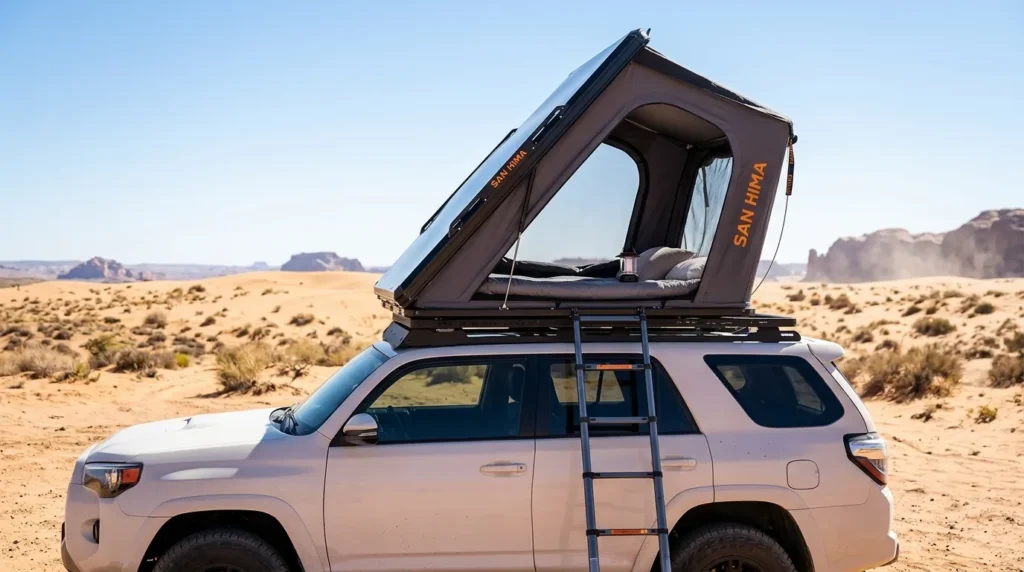
The direct answer to the weather question is that the San Hima rooftop tent provides one of the quietest and driest experiences in the RTT market thanks to its rigid aluminum top and steep wedge geometry. I have spent nights in technical shelters where the rain on the fly was so loud it sounded like a drum. But the San Hima aluminum shell acts as a sound barrier. When it is pouring rain, the water rolls off the black metal and steep canvas walls without ever pooling on top. I sat through a six-hour deluge in the high country, and the interior stayed completely bone-dry.
I noticed that the seal between the top and bottom shells is particularly well-designed. It uses a thick rubber gasket that compresses when you lock the stainless steel latches. This prevents that annoying misting effect where high-pressure wind drives water into the tent while you are driving. In my guide on how to seam seal a tent, I explain that a good factory seal is the first line of defense, and San Hima has done an excellent job with the factory taping on the 280G canvas.
One expert insight: because the San Hima is a wedge design, you should always point the hinged end into the wind. This allows the aerodynamic shape to shed the gusts and prevents the wind from trying to lift the shell. I found that even in 30 mile per hour gusts, the tent remained rock solid with zero creaking from the gas struts. As I discussed in my post on hard shell vs soft shell rooftop tent, this stability is the primary reason people upgrade from folding tents. The San Hima rooftop tent is a legitimate bunker that allows you to sleep through weather that would have grounded most other campers.
What is the interior comfort and mattress quality like?
The direct answer to the comfort question is that the San Hima rooftop tent provides a very supportive and well-insulated sleeping area, but the stock mattress is firm and might require a topper for side-sleepers. The mattress is a 2-inch high-density foam that sits on a flat aluminum base. I found that for back-sleepers, it provides great support, but my shoulder started to feel the pressure after a few nights on my side. I noticed during my Topoak rooftop tent review that memory foam is a huge upgrade, and I ended up adding a thin memory foam topper to my San Hima to reach that same level of comfort.
I found that the interior volume is excellent for a solo traveler or a couple who are not exceptionally tall. The floor dimensions of 83 by 51 inches are standard, but the wedge shape means you have a lot of head room at one end and very little at the other. I noticed that I could sit up comfortably to change my clothes or work on my laptop near the door. In my guide on what is a pop up tent, I talked about the luxury of space, and the San Hima maximizes its footprint through its steep vertical walls.
One expert insight regarding organization: the San Hima interior is a bit sparse. It has two small mesh pockets for your phone and glasses, but it lacks the large gear lofts found in the Vevor rooftop tent. I ended up using a few adhesive Velcro strips to mount my own gear organizers to the aluminum ceiling. According to my own comfort testing, the anti-condensation mat that comes pre-installed is a lifesaver. It creates an air gap under the mattress that prevents your body heat from creating a puddle on the aluminum floor. This is a level of detail that shows San Hima rooftop tent actually understands the technical challenges of vehicle camping.
How easy is the setup and pack-down process for a solo traveler?
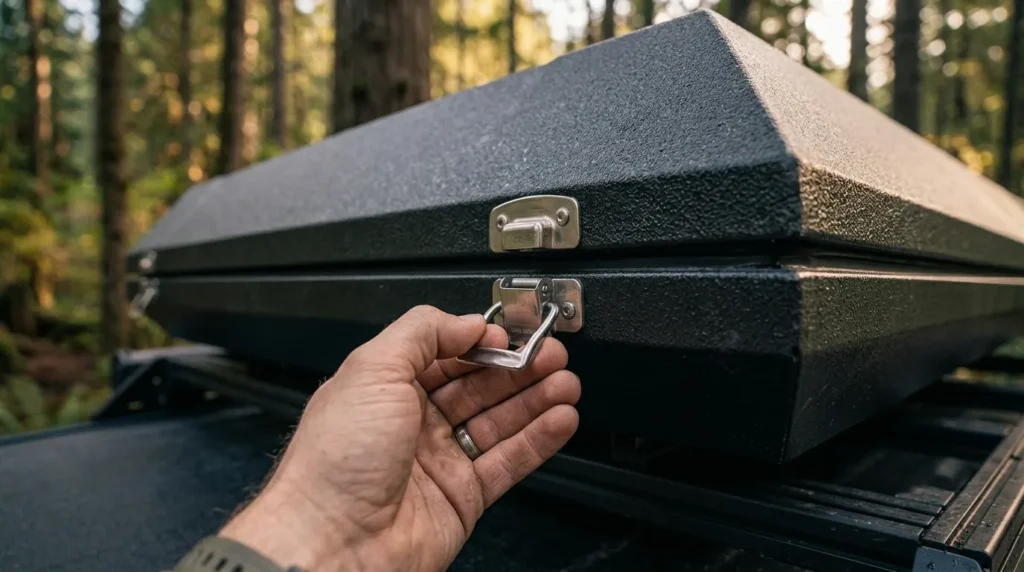
The direct answer is that the San Hima rooftop tent is incredibly efficient, taking about 45 seconds to open and about two minutes to close once you have the technique down. It uses two high-pressure gas struts that do all the heavy lifting. You just unclip the rear latches and give the shell a nudge, and it pops open on its own. This is a massive win compared to the manual fumbling I experienced during my 3F UL Gear Lanshan 2 review. For a solo explorer, the ability to have your bed ready before your engine even cools down is the ultimate definition of convenience.
I found that the pack-down process is where the wedge design really shines. You pull on the integrated strap to bring the shell down, and the fabric naturally wants to tuck itself into the box. I noticed that the San Hima has enough interior depth that I could leave my thin sleeping bag and my pillows inside when I closed the tent. This is a huge advantage over the ultra-slim gear, which usually requires you to remove everything but the mattress to get a secure latch.
One expert insight for packing: because the gas struts are so strong, you have to use a bit of body weight to click the final latches shut. As I mention in my guide on how to fold a pop up tent, finesse is always better than force. I suggest you walk around the car and ensure no canvas is caught in the rubber seal before you apply the final pressure. The telescopic ladder also collapses into a very compact bundle that I usually store inside the tent shell to save room in my trunk. The San Hima rooftop tent provides a stress-free experience that removes all the physical labor from the start and end of your day.
How does the black aluminum shell affect your vehicle logistics?
The direct answer is that the San Hima rooftop tent is a heavy, high-profile addition to your car that will have a noticeable impact on your fuel economy and handling. At 160 pounds, it is one of the heavier aluminum wedges on my hard shell roof top tent list. I noticed that my SUV felt much more top-heavy in the corners after I mounted this tent. In my guide on can you put a rooftop tent on any car, I discussed the importance of mass centralization, and you definitely feel those 160 pounds every time you take a sharp turn.
I found that the 8-inch closed height creates a fair amount of wind resistance. During a 500-mile highway run, I noticed my gas mileage dropped by about 3 miles per gallon. This is the price you pay for the extra interior depth and the rugged metal shell. According to aerodynamic tests for overlanding rigs, the flat front of a wedge tent like the Wildfinder rooftop tent can create significant drag. I suggest you keep your highway speed under 65 miles per hour to minimize the impact on your fuel budget.
One expert insight regarding the black finish: it is a high-quality powder coating that resists scratches, but it will show every bit of dried salt and dust from the road. I suggest following the maintenance tips in my best pop up tent guide, such as giving the shell a quick spray down after every trip to prevent the hardware from seizing. The mounting brackets included with the San Hima rooftop tent are heavy-duty stainless steel, which is a major upgrade over the thin plates I saw in my Naturnest rooftop tent review. It is a technical setup that requires a robust roof rack and a driver who understands the physics of a loaded vehicle.
Frequently asked questions about the San Hima rooftop tent
Is the black aluminum shell too hot for summer camping?
The honest answer is that it gets very hot in direct sunlight, but the 280G poly-cotton canvas is more breathable than pure polyester. I found that as long as I kept all the windows open to create a cross-breeze, the interior stayed manageable. I suggest you always look for a shaded campsite if you are using this tent in the desert. Heat and moisture management are the keys to a fresh interior.
How many people can actually sleep comfortably in the San Hima rooftop tent?
The direct answer is that it is a perfect palace for one person or a functional, cozy fit for two adults. Because of the wedge shape, you have plenty of room for your feet, but the two sleepers will be close together at the head end. In my hard shell roof top tent guide, I always suggest the plus-one rule for space, and the San Hima is a great example of a 2-person tent that works best for a solo traveler with a lot of gear.
Does the San Hima rooftop tent come with an anti-condensation mat?
Yes, and this is a massive benefit that many other budget brands skip. The mat is already installed under the mattress. I noticed during my Vevor rooftop tent review that without this mat, the aluminum floor becomes a magnet for moisture. Having it included in the San Hima is a clear sign that this brand is focused on technical performance.
Can I leave my bedding inside when the tent is closed?
The direct answer is yes, but only thin bedding. I was able to leave two thin sleeping bags and a flat pillow inside, but I had to remove my heavy winter quilt to get the latches to click shut. This is a huge convenience win compared to soft shell tents. In my guide on hard shell vs soft shell rooftop tent, I highlighted this setup speed as the main reason to go with a hard shell.
What kind of roof rack do I need for a 160-pound tent?
The direct answer is that you need a heavy-duty aftermarket rack rated for at least 165 pounds of dynamic weight. I suggest you do not trust your factory plastic crossbars with a tent this heavy. I noticed during my Heyfun rooftop tent review that even lighter tents can stress factory rails. A solid steel or aluminum platform rack is the best choice for the San Hima rooftop tent.
Should you buy the San Hima Rooftop Tent for your next trip?
The direct answer to the final verdict is that if you are a serious traveler who frequently camps in rainy, windy, or cold environments, the San Hima Rooftop Tent is one of the best investments you can make. It offers a level of weather protection and structural security that puts it in the top tier of technical gear. After spending weeks living out of this setup, I am convinced that the black aluminum shell and thick poly-cotton canvas are the best defense against the unpredictable nature of the backcountry. It transforms your vehicle into a professional overland rig that is ready for anything.
The San Hima remains my top recommendation for harsh weather value. I noticed that if you prioritized aerodynamics and gas mileage, you might still prefer the Naturnest rooftop tent. But for the serious explorer who values a quiet, dry, and secure sanctuary, the San Hima is the winner. It handles the mountain storms better than most and provides a level of durability that will last for a decade of adventures.
One final thought: your gear should give you the confidence to stay out longer. The San Hima rooftop tent does exactly that. I suggest checking out my main hard shell roof top tent guide to see how this model compares to other premium picks. If you are ready to stop worrying about the wind and start enjoying the storm, the San Hima belongs on your roof. I will see you at the next ridge-top campsite.
Ready to build your all-weather rig?