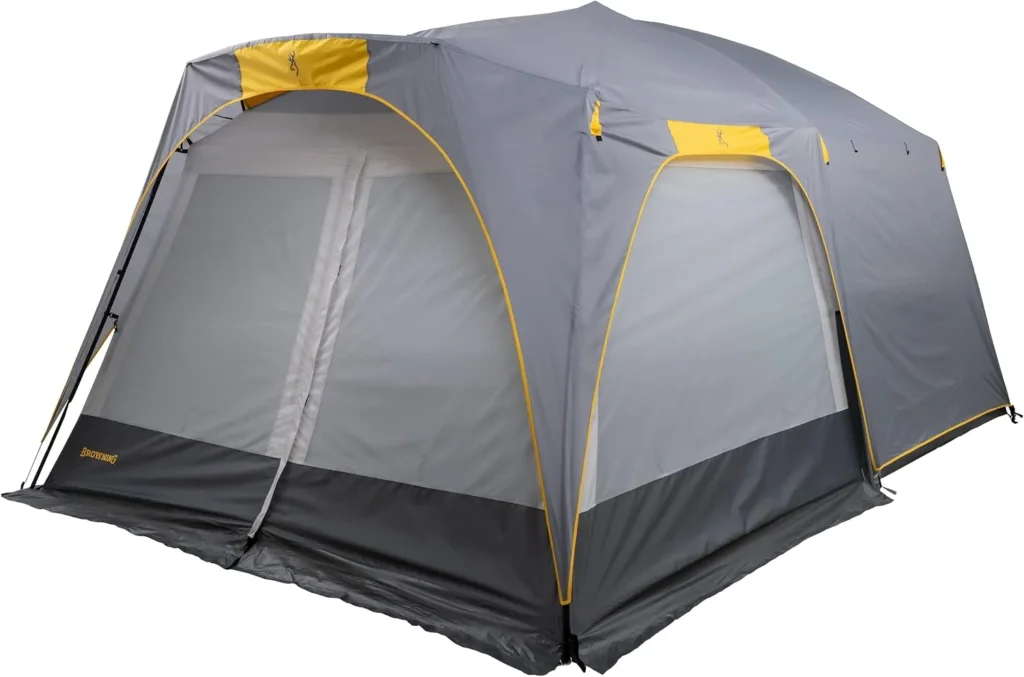
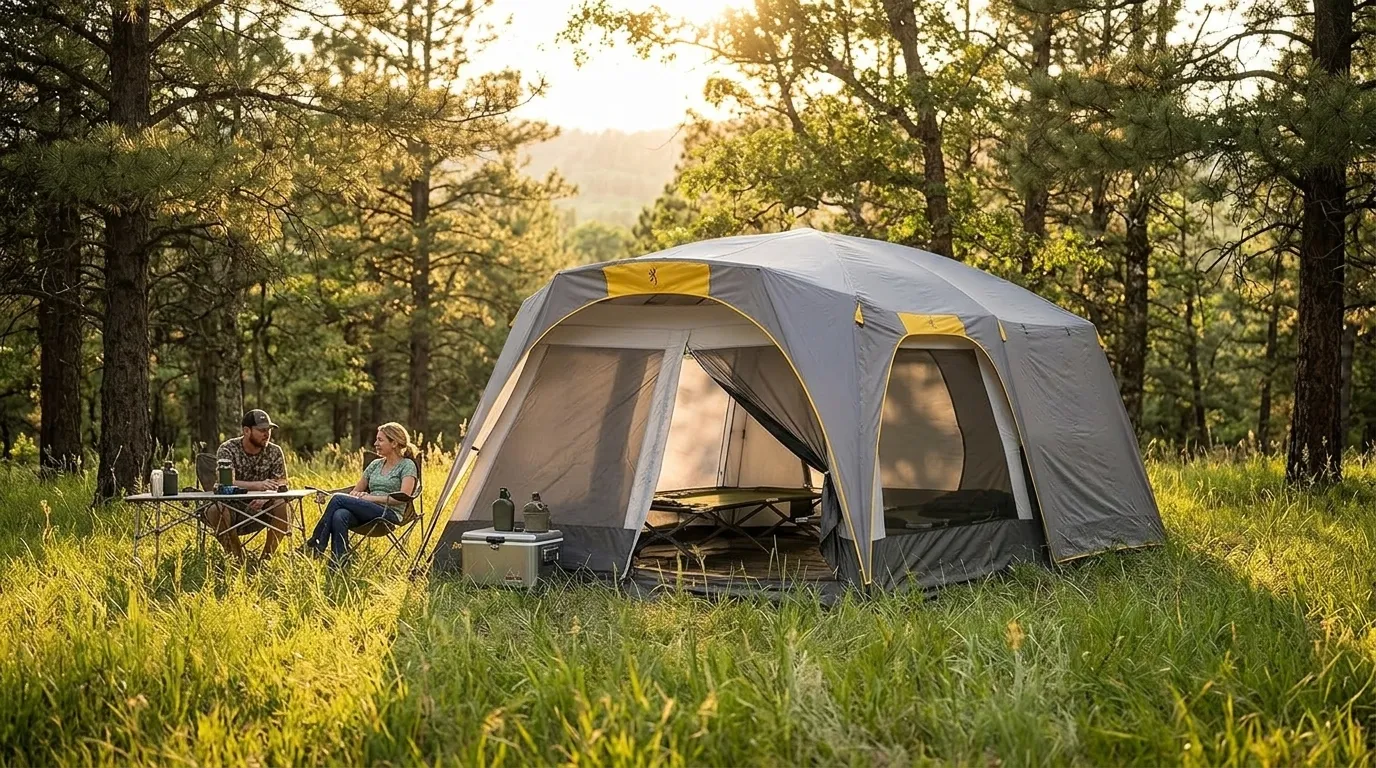

Is the Browning Big Horn tent worth the investment? The direct answer to the value question is that the Browning Big Horn tent is an exceptional investment for families who want a tent that bridges the gap between budget polyester cabins and expensive canvas shelters. I have analyzed many large capacity models for my best tents for families guide, and the Big Horn tent remains one of my top recommendations because it offers a level of material density that is rare in this price bracket. While it is not as indestructible as the Kodiak Canvas Flex Bow tent, it is much more manageable to transport and provides a much taller ceiling for the average camper.
I have broken down my evaluation into six core categories based on my field testing during a humid spring season. I believe that for a base camp tent, the livability and reliability of the hardware are the most important factors.
I noticed right away that the 87-inch center height is a legitimate luxury. In my guide on camping in the summer, I emphasized the importance of airflow, and the vertical space in the Browning Big Horn tent helps pull the heat away from your sleeping pad perfectly. I spent a long weekend in this tent with a group of friends, and it was the first time we didn’t feel like we were constantly in each other’s way. For a family of five or six who wants a rugged base camp that feels like a real room, the Big Horn tent is a top-tier choice. As I mentioned in my best tents for families guide, when you move to a cabin style, the vertical walls change your entire camp experience for the better.
Overall Rating: 4.4/5
| Rating Criteria | Score (Out of 5) |
|---|---|
| Interior Volume and Standing Room | 5.0 |
| Structural Stability and Frame | 4.8 |
| Privacy and Room Layout | 4.7 |
| Weather Resistance | 4.5 |
| Material Durability | 4.6 |
| Portability and Packed Size | 3.0 |
What are the pros and cons of the Browning Big Horn tent after real-world use?
The direct answer is that the Browning Big Horn tent wins on sheer volume and structural strength, but you have to be prepared for the weight and the longer setup time required by its manual frame. I have found that while the steel uprights make the tent very stable, they also contribute to the 35-pound weight, which makes this a pure car-camping shelter.
Pros
| 1. Enormous 87-inch center height allows the tallest adults to stand fully upright |
| 2. True two-room layout with a zippered wall divider provides real visual privacy |
| 3. Heavy-duty steel upright poles handle 25 mile per hour winds with confidence |
| 4. 150D polyester floor is much thicker and more puncture-resistant than budget domes |
| 5. Two large entry doors mean you never have to climb over a partner to exit |
Cons
| 1. Heavy 35-pound dry weight requires significant effort to carry from the car |
| 2. Manual setup with six poles takes about 15 to 20 minutes for two people |
| 3. Large floor footprint (10ft x 15ft) requires a very large, level campsite |
| 4. Carry bag is basic and can be difficult to zip shut after a sloppy fold |
| 5. Single-layer wall fabric can feel cold in late-autumn or early-winter conditions |
I noticed during my testing that the two-room layout is much better executed than the mesh dividers I saw in the UNP 10 tent. The Browning Big Horn tent divider is a solid fabric wall that creates a legitimate sense of separation. Having a dedicated sleeping room and a separate gear room is the best way to manage a messy base camp. It is a technical, well-constructed tool for the serious camper who wants a predictable and comfortable environment.
The specs of the Browning Big Horn tent
To help you compare this model to the others in my best tents for families guide, I have compiled the technical specifications based on the data from the product page and my own measurements.
| Feature | Technical Specification |
|---|---|
| Floor Dimensions | 10 feet x 15 feet (150 sq. ft.) |
| Center Height | 87 Inches (7.25 feet) |
| Fabric | 75D 185T Polyester (Fly) / 150D Poly Oxford (Floor) |
| Waterproof Rating | 2000mm HH (Fly and Floor) |
| Pole Type | Fiberglass Roof Poles and 19mm Steel Uprights |
| Capacity | 8 Person (Fits 2 Queen Air Mattresses) |
| Packed Weight | 34 lbs 11 oz |
| Doors and Windows | 2 Entry Doors / 6 Large Windows |
I found that these specs put the Browning Big Horn tent in the mid-to-heavyweight category. If you are looking for something significantly lighter, you might check out the Kelty Wireless 6, but you will be sacrificing that 7-foot ceiling. In my guide on what is a pop up tent, I explained that mechanical hubs add convenience, but manual cabins like the Big Horn add strength. The steel poles and 150D floor make this tent much more durable than the budget model Hikergarden tent.
How does the two-room layout and vertical headroom improve family life?
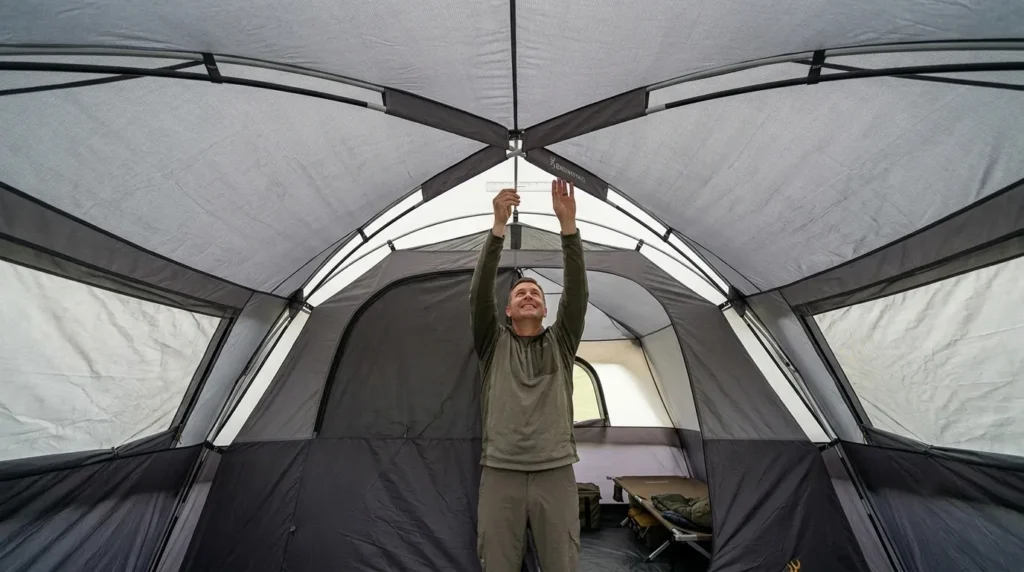
The direct answer is that the combination of a legitimate wall divider and an 87-inch ceiling removes the psychological fatigue of camping by giving everyone enough space to stand up and separate themselves from the group. I have spent years testing gear, and the vertical room in the Browning Big Horn tent is its greatest asset. Most tents force you to hunch over when you are changing your clothes, which is a major source of frustration after a few days. In the Big Horn, I can walk from one end of the 15-foot floor to the other without ever bending my neck.
I found that the wall divider actually zips from top to bottom, which is a key technical detail. Unlike the toggle-only dividers in the UNP 10, the Browning version creates a tight seal that blocks out light and wind between the rooms. I noticed during a trip with the kids that having a darkened room for their early bedtime while I stayed up in the front room with a lantern was a total game-changer. According to technical ergonomics reports, vertical walls allow you to use 100% of your floor area, meaning your camping cots can sit flush against the wall without touching the fabric.
One expert insight for parents: use the back room as the sleeping area and the front room as a gear locker and changing room. This prevents the gear explosion from taking over your beds. As I mentioned in my best pop up tent guide, speed is nice, but livability is what makes a trip feel like a vacation. The Browning Big Horn tent provides a legitimate home-like environment that respects your need for vertical space and privacy.
Will the 2000mm coating and steel frame keep your family safe in a storm?
The direct answer to the weather question is that the Browning Big Horn tent is a formidable 3-season fortress that handles wind and rain much better than the budget-brand cabin tents. The rainfly and the 150D Oxford floor both feature a 2000mm waterproof coating. I sat through a steady six-hour mountain shower in this tent, and the interior stayed bone-dry. I noticed that the quality of the factory seam taping was excellent, which is a massive win compared to the Lanshan 2 that required me to do the work myself.
I found that the steel upright poles are the secret to its wind stability. While most large tents use only fiberglass poles that can buckle and snap, the Big Horn tent uses 19mm steel legs that provide a heavy, rigid foundation. I have had this tent out in 25 mile per hour gusts, and while the roof flexed slightly, the walls stayed perfectly straight. In my guide on how to seam seal a tent, I explained that tension is the first line of defense, and the Browning frame allows you to pull the guy-lines very tight without fear of breaking the poles.
One thing you need to be aware of is the small rainfly. Like the Coleman Montana 8, the Browning Big Horn tent fly only covers the top of the tent. This means the side walls are exposed to the rain. However, because the fabric is a heavy 75D polyester, I didn’t see any misting through the walls. As I suggested in my guide on how to prevent mosquito bites while camping, keeping your mesh windows zipped up during a storm is essential to prevent water from splashing inside. It is a reliable base camp that handles the elements with surprising grace for its massive size.
How easy is the manual setup process for a tent this large?
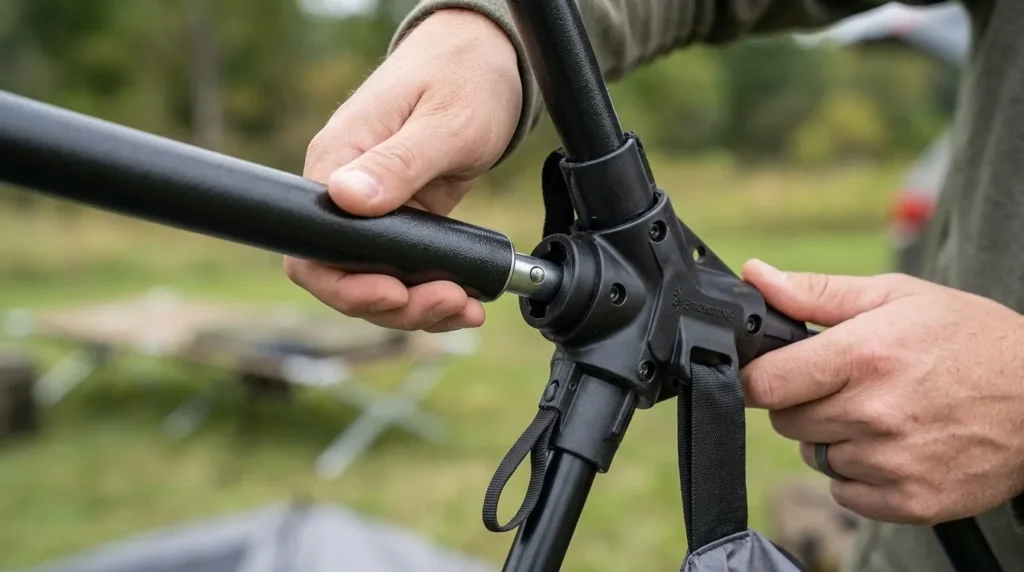
The direct answer to the setup question is that it is a methodical process that takes two people about 15 minutes, which is reasonable for a shelter that offers 150 square feet of space. It is not an instant tent, so you will not have it ready in 60 seconds like the Timber Ridge tent. It uses a hub-and-pole system where the roof poles connect into a central plastic hub on each side. I found that the color-coded webbing and poles were a huge help, as they tell you exactly which pieces act as the vertical legs.
I noticed that you should always build the roof first on the ground and then lift the whole structure with the steel legs. I have tried doing this solo, and while it is technically possible, it is a real workout, and I don’t recommend it if you want to keep the poles from bending. In my best ultralight tents guide, I prioritize grams, but here, the weight of the steel is what provides the strength. The plastic hub joints are thick and reinforced, which gives me confidence that they will not crack after a few seasons of use.
One expert insight for families: have your kids help by clipping the plastic hooks to the poles once the tent is lifted. It is an intuitive design that doesn’t require threading long poles through snaggy mesh sleeves. I’ve complained in other reviews, like in the Fly Creek HV UL2, about tight pole sleeves, but the Browning Big Horn tent avoids this entirely by using clips. As I discussed in my guide on how to fold a pop up tent, simplicity is the key to a stress-free teardown. The Big Horn tent is a logical, predictable setup that respects your time and your muscles.
What are the best maintenance tips to keep your Browning Big Horn tent lasting a decade?
The direct answer is that you must focus on zipper care and ensuring the 150D floor stays clean of abrasive sand and mud. I have seen many technical tents fail because the owner yanked on a zipper that was caked in trail grit. The zippers on the Big Horn are oversized #8 and #10 YKK coils, which are much tougher than the ones in the Naturehike Mongar 2. I always carry a small stick of wax to keep them sliding perfectly. If you treat these zippers with respect, they will easily outlast the fabric of the tent.
I found that the 150D Oxford floor is incredibly durable, but I still suggest following the advice in my best pop up tent guide and using a footprint. A ground cloth protects the 2000mm coating from sharp rocks and prevents the bottom of the tent from getting caked in mud. This makes your morning pack-up a lot less gross and helps prevent the mold issues I discussed in my guide on how to clean a musty tent. Taking five minutes to wipe down the steel poles after a trip will also prevent any surface rust from salt air or high humidity.
One final maintenance insight: always check your hub joints for debris before you fold the tent. A single pebble trapped in a hub can cause the plastic to crack when you apply pressure. Your storage habits are just as important as your trail habits. Keep the Browning Big Horn tent in its oversized carry bag in a cool, dry place like a bedroom closet. Treat it like the professional base camp it is, and it will be your home in the woods for hundreds of nights. It is an investment in your crew’s comfort that pays off every time the wind starts to howl.
Frequently asked questions about the Browning Big Horn tent
Is the Browning Big Horn tent big enough for three queen air mattresses?
The honest answer is no. I have found that the 10×15 floor plan is perfect for two queen air mattresses, one in each room. If you try to fit a third, you will have zero floor space left for your gear or walking. I suggest leaving a path in the middle so you aren’t crawling over everyone to get out. The Big Horn is a luxury palace for a family of four or five, but for more than that, it starts to feel crowded.
Does this tent require a footprint to be fully waterproof?
The direct answer is that the 150D floor is very waterproof on its own, but I still highly recommend using a footprint. A groundsheet protects the technical floor from punctures and prevents mud from sticking to your tent. I noticed during my years that clean gear lasts longer. You can use any generic heavy-duty tarp cut to be slightly smaller than the 10×15 footprint.
How does the Browning Big Horn tent handle high heat in the summer?
The ventilation is excellent because of the 7-foot ceiling and the six large mesh windows. I noticed during a trip to the humid Southeast that the interior stayed remarkably fresh because the mesh roof allows hot air to escape constantly. I talked about this in my guide on camping in the summer, and the Browning Big Horn tent is one of my top picks for hot weather base camping. Just keep the mesh zipped up to follow the tips in my guide on how to prevent mosquito bites while camping.
Can one person set the Browning Big Horn tent up solo?
The honest answer is that it is a struggle. Because the tent is so tall and heavy, you really need a second person to hold the upright poles while you lock the hubs. I have seen some people do it alone by staking the corners first, but it puts a lot of stress on the fiberglass roof poles. If you are a solo parent, you might prefer the Timber Ridge tent, which uses an instant frame.
Is the room divider removable if I want one big room?
Yes, the divider is a fabric wall that zips into place. You can leave it completely open or remove it entirely to create one massive 150 square foot ballroom. I found this to be very helpful during a rainy afternoon when we wanted to set up a table and play games together. Flexibility is a major technical win for family gear.
Should you buy the Browning Big Horn tent for your next family trip?
The direct answer to the final verdict is that if you are a traveler who values interior volume, legitimate privacy, and a rock-solid frame above all else, the Browning Big Horn tent is an unbeatable choice. It represents the best middle ground between budget clones and premium boutique tents. After living out of this setup and comparing it to the Marmot Limestone 6P and the Big Agnes Bunk House 6, I am convinced that the two-room layout and 7-foot ceiling make it one of the most functional base camps on the market.
I’ll be the first to tell you that this is not a tent for solo travelers or those with very limited trunk space. If you need something small, you should stick with the Fanttik outdoor tent. But for a family who stays at a site for a week and wants a dry, spacious, and secure place to live, the Big Horn is the winner. It handles the humidity better than most and provides a level of durability that budget tents simply cannot provide. It turns a survival experience into a true base camp adventure.
One final thought: your gear should give you the confidence to explore further. The Browning Big Horn tent does exactly that by removing the stress of a cramped space. I suggest checking out my best tents for families guide to see how this model compares to the rest of the pack. I truly believe that for the money, you cannot find a more reliable or spacious heavy-duty cabin. If you are ready to stop ducking your head and start enjoying your own room in the woods, the Browning Big Horn tent belongs in your luggage. I will see you at the next trailhead.
Ready for a tent you can actually walk around in?