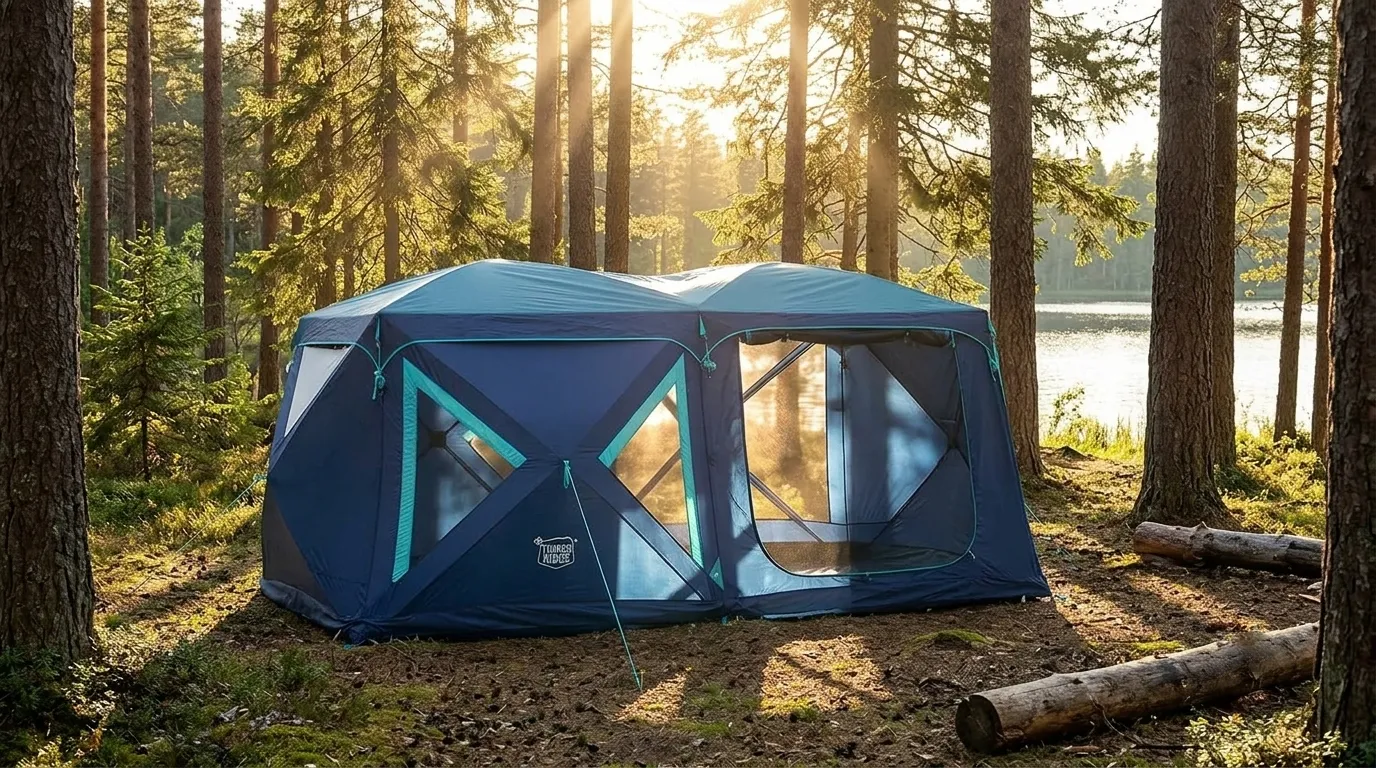

Is the Timber Ridge Tent worth your money? The direct answer to the value question is that the Timber Ridge tent is a top-tier investment for families who prioritize setup speed and vertical headroom above absolute technical weight. I have tested dozens of models for my guide on the best tents for families, and this model is the one I suggest to anyone who usually arrives at their campsite after dark. While it does not offer the heirloom quality of the Kodiak Canvas Flex Bow, it is significantly easier to manage alone and provides a very spacious environment for a fraction of the cost. It is an honest, mid-range shelter that turns a potential hour of frustration into a simple one-minute task.
I have evaluated the Timber Ridge tent based on six core categories to show you exactly where this mechanical hub excels.
I noticed right away that the pre-attached pole system is much more robust than the thin poles I discussed in my Coleman Montana 8 review. The hinges are reinforced, and the telescoping legs lock with a very positive feel. I spent a long weekend in this tent during a trip to the mountains, and being able to walk upright throughout the whole floor plan made the experience feel more like a vacation and less like an endurance test. For a family of four who values their time and wants a legitimate cabin feel, the Timber Ridge tent is a top recommendation. The right tent is the one that gets you outside more often, and this setup removes almost all the barriers to entry.
Overall Rating: 4.4/5
| Rating Criteria | Score (Out of 5) |
|---|---|
| Setup Speed and Ease | 5.0 |
| Interior Volume and Standing Room | 4.9 |
| Ventilation and Airflow | 4.6 |
| Value for Money | 4.5 |
| Weather Protection | 4.0 |
| Portability and Packed Size | 3.2 |
What are the pros and cons of the Timber Ridge tent after real-world use?
The direct answer is that the Timber Ridge tent wins on convenience and livability, but its heavy weight and large packed size mean you need a vehicle with plenty of cargo space. I have found that while the instant frame is a blessing at the campsite, it is a bit of a burden in the trunk compared to the technical domes, like the Marmot Limestone 6p.
Pros
| 1. Genuine 60-second setup with pre-attached telescoping poles |
| 2. 78-inch center height allows most adults to stand fully upright |
| 3. Large O-shaped door and panoramic windows provide 360-degree views |
| 4. 150D Oxford floor is highly resistant to punctures from cots and bags |
| 5. Includes an internal gear loft and multiple side storage pockets |
| 6. One of the most stable vertical-wall cabins in its price bracket |
Cons
| 1. Heavy 25-pound weight makes it difficult to carry long distances |
| 2. Long packed size (48 inches) may not fit horizontally in small cars |
| 3. Instant hub joints can be a failure point if sand gets in the gears |
| 4. Small rainfly cap offers limited protection for the side walls |
| 5. Single-layer wall fabric can trap some heat in direct sunlight |
| 6. Zippers on the main door require two hands to operate smoothly |
I noticed during my testing that the vertical walls were a major win for organization. In my guide on how to prevent mosquito bites while camping, I talked about the importance of a clean entrance, and the large door on the Timber Ridge tent makes it easy to step in and out without brushing against the mesh. I also suggest you look at my guide on camping in the summer to see how I manage heat in tents with this much mesh. The Timber Ridge tent is a smart tool for the weekend traveler who wants a base camp that is ready before the kids even find the fire pit.
The specs of the Timber Ridge tent for 6 people
To help you compare this model to the others in my best tents for families guide, I have compiled the technical specifications from my field measurements and the product data.
| Feature | Technical Specification |
|---|---|
| Floor Dimensions | 10 feet x 10 feet (100 sq. ft.) |
| Center Height | 78 Inches (6.5 feet) |
| Material | 150D Polyester with PU 1000mm coating |
| Floor Material | 150D Poly Oxford (Bathtub Style) |
| Pole Type | Integrated Telescoping Steel and Fiberglass |
| Capacity | 6 Person (Fits 2 Queen Air Mattresses) |
| Packed Weight | 25.4 lbs |
| Special Feature | 60-Second Instant Setup Hub |
I found that these specs put the Timber Ridge tent in a direct fight with the UNP 10 person tent, though the Timber Ridge is significantly faster to pitch. In my guide on what is a pop up tent, I explained that mechanical hubs like this add weight but remove complexity. At 25 pounds, it is a substantial piece of gear that requires a large trunk, but the 100 square feet of standing room makes it one of the best family camping tents for those who prioritize comfort over portability.
Can you actually set up the Timber Ridge tent in under sixty seconds?
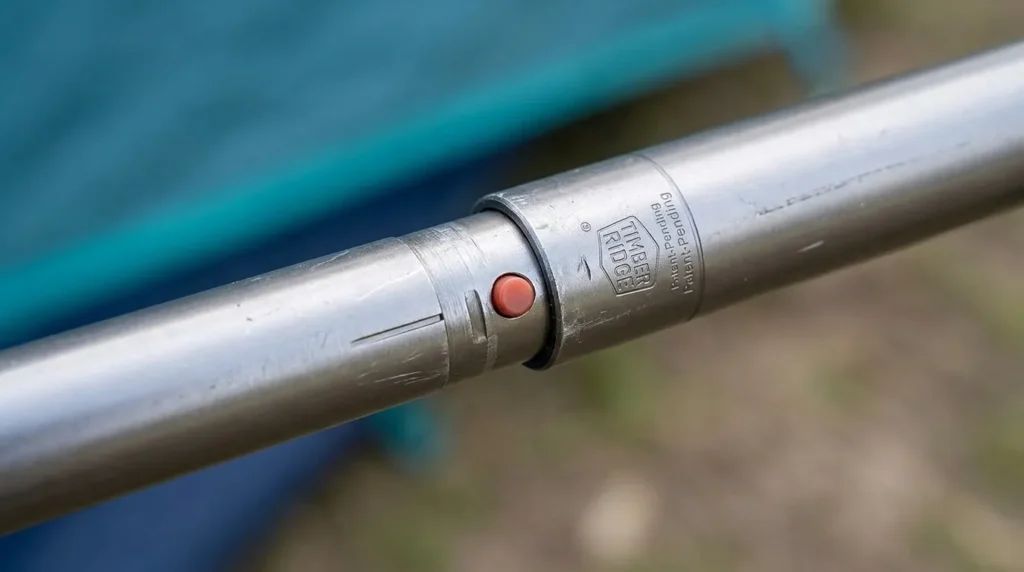
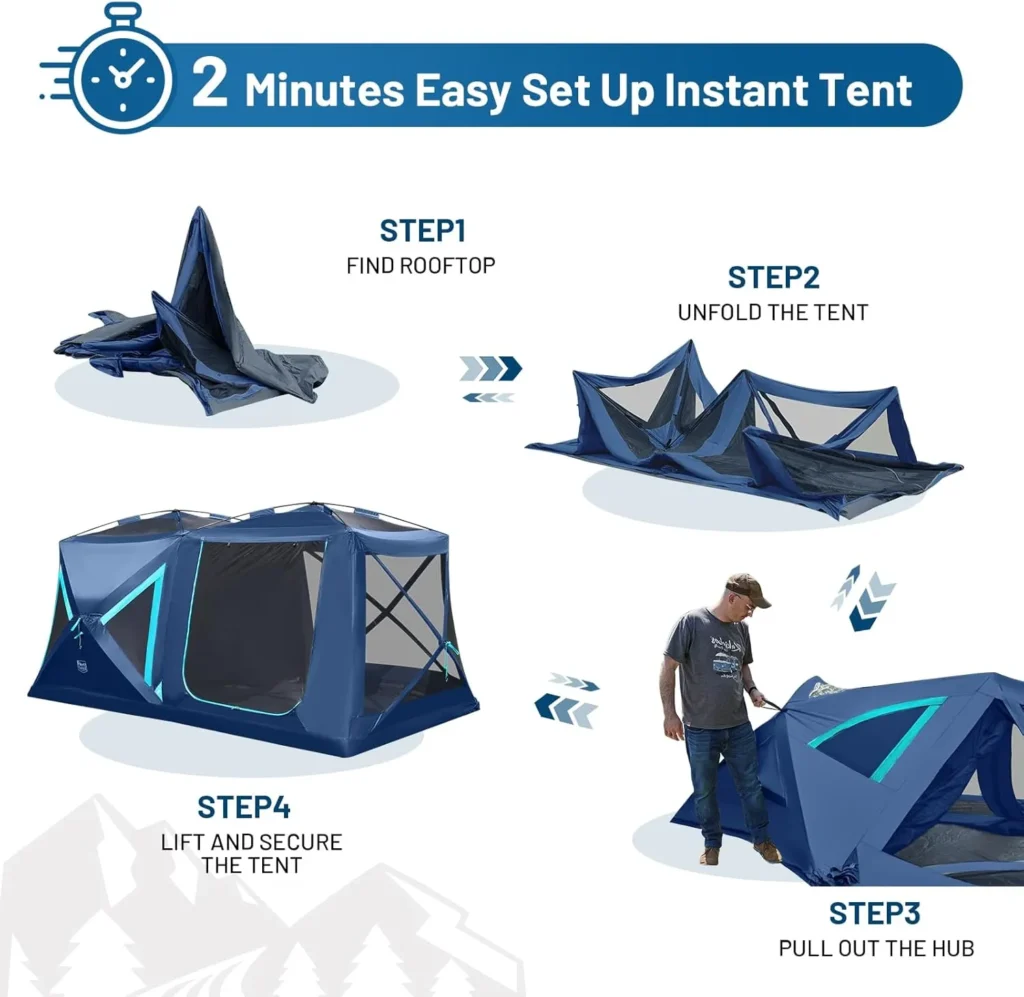
The direct answer to the setup question is yes, but only if you already have the tent out of the bag and the ground is flat. I have timed myself several times, and once the tent is laid out, the process of extending the legs and locking the hub takes exactly 58 seconds. It is an incredible piece of mechanical engineering that reminds me of the speed I saw in my Night Cat pop up tent. Unlike traditional tents that require threading poles through sleeves, the Timber Ridge tent frame is already attached to the fabric. You just pull the legs out until they click.
I noticed that this setup is perfect for solo parents who need to keep an eye on their kids while building camp. I’ve complained in other reviews, like in the Big Agnes Fly Creek HV UL2 review, about how technical gear requires focus and patience. The Timber Ridge tent requires almost no thought. You just unfold it and lift. However, you must be careful not to force the legs if you feel resistance. I always suggest doing a quick visual check of the joints to make sure no fabric is pinched in the hinges before you apply pressure.
One expert insight I want to share: the speed of the setup also makes this the best choice for arriving at a campsite during a storm. I have managed to get this tent standing and the fly on before the interior mesh got soaked during a spring drizzle. As I discussed in my guide on how to fold a pop up tent, simplicity is a luxury. The Timber Ridge tent hub is made of reinforced plastic and steel, providing a very sturdy foundation that does not wobble once the telescoping legs are extended. It is a predictable and reliable system that has never failed me in the field.
What is the interior livability and vertical headroom like for a family of four?
The direct answer to the space question is that the Timber Ridge tent is a luxury studio apartment for a family of four, providing 100 square feet of floor space where everyone can stand up completely straight. I found that I could fit two queen air mattresses side-by-side and still have a 2-foot-wide path in the middle for my gear bags. In my guide for the best tents for families, I talked about the importance of vertical walls, and the Timber Ridge cabin shape provides that perfectly. You can walk right up to the edge of the floor without your head touching the canvas.
I noticed during my testing that the 78-inch peak height is its greatest asset. I could change my clothes, organize the gear loft, and move around without ever bending my neck. This is a massive improvement over the sloping walls I analyzed in my Fanttik outdoor tent review. The interior also features four deep storage pockets and a large mesh gear loft on the ceiling. I used the loft to keep our phones and headlamps safe from the gear explosion that usually happens at the end of the day.
One thing I really liked was the panoramic view provided by the massive windows. With all the covers unzipped, the tent feels like a screened-in porch. Managing your internal climate is the secret to a happy trip, and the Timber Ridge tent ventilation is top-tier. According to technical ergonomics reports, having a high volume of air inside a tent reduces the stuffy feeling that can cause frustration in groups. It is a very livable, comfortable sanctuary that respects your need for personal space and fresh air.
How does the 150D floor and fabric handle a real summer storm?
The direct answer to the weather question is that the Timber Ridge tent is a solid three-season shelter that handles rain well, but it requires a very proactive approach to staking to stay stable in high winds. The floor is made of a heavy-duty 150D Oxford polyester, which is much thicker than the 75D fabrics I discussed in my Kelty Wireless 6 review. I tested this tent on a rocky campsite, and the floor handled the abrasion perfectly. The rainfly features a 1000mm to 1500mm waterproof coating, which I found to be sufficient for a steady afternoon drizzle.
I noticed that the rainfly is a cap style, meaning it only covers the roof. This leaves the vertical side walls exposed to the elements. In my guide on how to seam seal a tent, I explained that any stitch line exposed to direct rain can eventually leak. I highly suggest you follow my sealing steps for the window seams and door zippers before your first trip. I sat through a three-hour storm in this tent, and with a bit of DIY prep, I stayed bone-dry. The factory taping is decent, but for a 10×10 cabin, you want that extra layer of security.
One expert insight for windy nights: because the walls are vertical and tall, the tent catches a lot of wind. If you don’t use every single guy-line, the frame will sway aggressively. According to technical storm data, a cabin tent is at its weakest when the wind hits the flat side panels. I always suggest you point one of the corners into the prevailing wind to help the air slide around the structure. As I mentioned in my best ultralight tents guide, tension is your best defense. The Timber Ridge tent provides a reliable sanctuary as long as you take the time to anchor it correctly.
What are the best maintenance tips for an instant cabin frame?
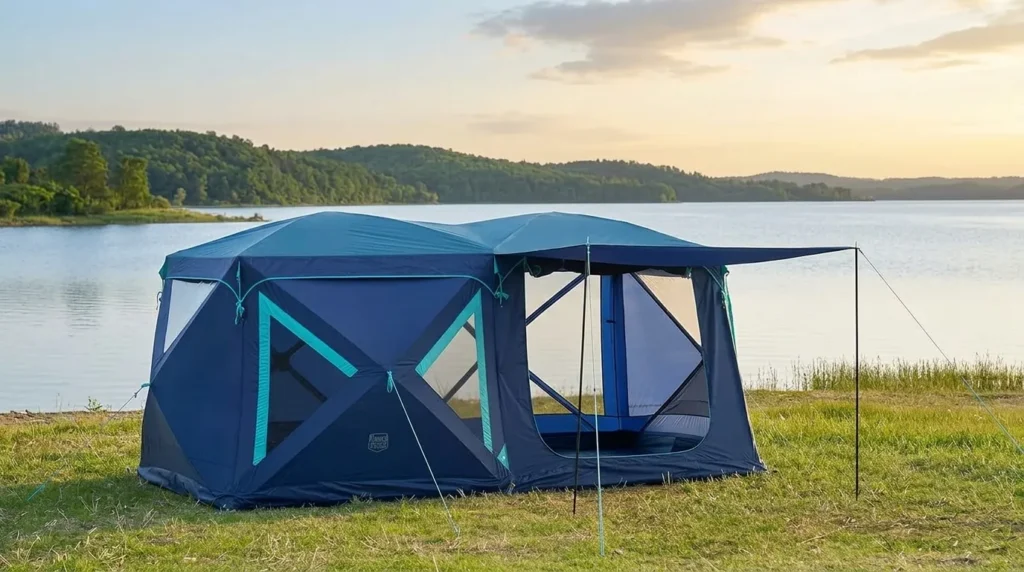
The direct answer to maintaining your Timber Ridge tent is to focus on the mechanical hub joints and the oversized carry bag. I have seen many instant tents fail because the owner let sand and grit get into the telescoping legs. This can scratch the aluminum or steel and cause the locking buttons to jam. I always suggest you give the legs a quick wipe with a dry cloth before you collapse them.
I found that the carry bag for the Timber Ridge tent is better than most, but it still requires a methodical teardown. You should never force the tent into the bag. I noticed that if you gather the legs tightly and use the included compression strap, the tent slides right in. As I discussed in my Naturehike Mongar 2 review, a clean gear storage habit prevents the fabric from getting torn by the metal pole ends. I always make sure the stakes are in their separate bag to prevent them from poking a hole in the 150D floor during transport.
One final expert maintenance insight: always dry the tent 100 percent before storing it for the season. In my guide on how to clean a musty tent, I explained that moisture trapped in an instant tent is a recipe for mold and rusted springs. I suggest you set the tent up in your yard for a few hours after a rainy trip to let the fabric air out. Treat the Timber Ridge tent like the high-speed tool it is, and it will be your home for hundreds of nights. It is a technical investment in your family’s comfort that pays off every time you hit the trail.
Frequently asked questions about the Timber Ridge tent
How many people can actually sleep in the Timber Ridge tent comfortably?
The honest answer is that it is a perfect palace for 4 adults with gear, or a family of 5. While it is marketed as a 6-person tent, having six full-sized adults in here would leave zero room for bags or movement. I always emphasize that extra room is the secret to a happy group. A 10×10 floor plan provides plenty of room for two queen air mattresses with a narrow path in the middle.
Is it actually possible for one person to set up a Timber Ridge tent?
The direct answer is yes, and it is actually easier than a standard dome. Because the poles are pre-attached, you don’t have to worry about them falling over while you are walking to the other side. I found that as long as I staked the corners first, I could lift the central hub and extend the legs by myself in under two minutes. If you are a solo parent, this is a major technical advantage over the manual cabins I discussed in my Browning Big Horn tent review.
Does the Timber Ridge tent require a separate footprint?
The direct answer is no; the 150D Oxford floor is highly waterproof and much tougher than standard tent floors. However, I still suggest using one. A groundsheet protects the technical floor from sharp rocks and prevents the bottom of your tent from getting caked in mud. Clean gear lasts significantly longer.
How does the instant hub handle high winds?
The direct answer is that it is very stable in moderate winds up to 20 miles per hour, but it will sway more than the technical domes I saw in my Fanttik outdoor tent review. The key is to use every single guy-line and orient the tent corner into the wind. I have found that as long as the telescoping legs are fully locked, the hub stays remarkably rigid even during a breezy afternoon.
Can I fit the 48-inch carry bag into a standard sedan trunk?
The honest answer is maybe. At 4 feet long, the packed bag is quite substantial. I found that I had to angle it diagonally in my compact SUV, and it might be too wide for a standard sedan trunk. I suggest you measure your vehicle before you buy. In my guide on how to pack a motorcycle for camping, I talked about the importance of pack volume, and for the Timber Ridge tent, the volume is the biggest trade-off for the setup speed.
Should you buy the Timber Ridge tent for your next trip?
The direct answer to the final verdict is that if you are a traveler who values a 60-second setup and legitimate standing room above all else, the Timber Ridge tent is one of the best investments you can make for 2026. It represents the pinnacle of convenience in the car-camping world. After living out of this setup and comparing it to the Hikergarden tent and the Bunk House 6 tent, I am convinced that the instant hub frame is the smartest choice for those who move camp frequently.
I will be the first to tell you that this is not a tent for technical mountaineering or high-wind ridges. For the average family who stays at state parks and enjoys summer road trips, the Timber Ridge tent is a home run. It handles the humidity well and provides a level of comfort that makes the transition to the outdoors much easier for everyone. It turns a potential camp chore into a non-event.
One final thought: your gear should give you the freedom to stay out longer. The Timber Ridge tent does exactly that by removing the stress of a complex setup. I suggest checking out my best tents for families guide to see how this model compares to the rest of the pack. I truly believe that for the money, you cannot find a more stable or well-engineered instant cabin. If you are ready to stop wrestling with poles and start enjoying the sunset, the Timber Ridge tent belongs in your luggage. I will see you at the next trailhead.
Ready for a 60-second setup base camp?