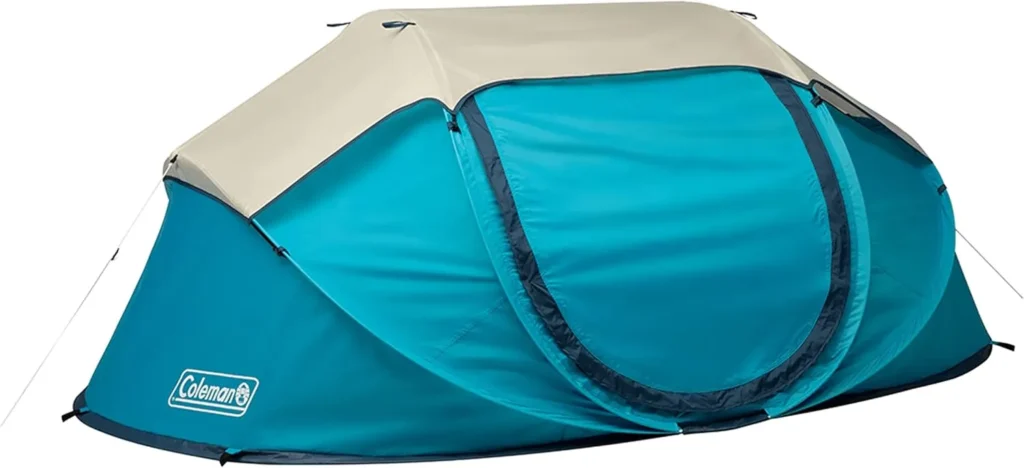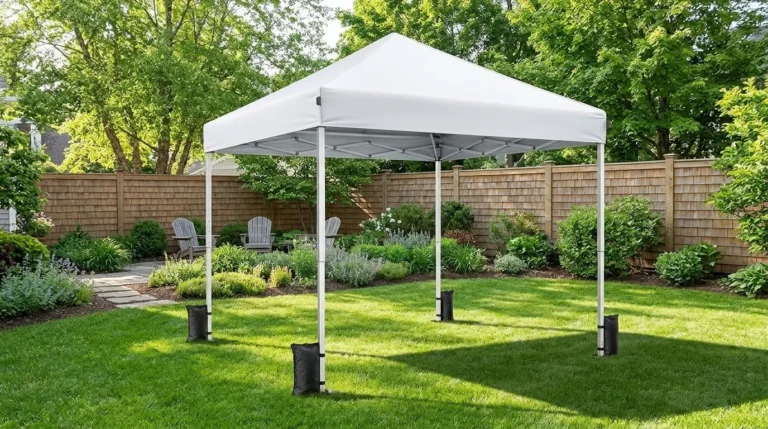


Is the Coleman pop up tent actually worth your money? I have been using Coleman gear since I was a kid, so I always have a bit of nostalgia when I see that red logo. But when it comes to the Coleman Pop Up Tent, I wanted to put my feelings aside and look at the facts. The direct answer to whether this tent is worth it is a big yes, but only if you know exactly what you are using it for. If you are heading to a music festival, doing a backyard campout with the kids, or just need a cheap and fast shelter for a solo overnight trip in good weather, this tent is an absolute steal. However, if you are planning a week long expedition in the mountains where you might face heavy wind and rain, you are going to want something more substantial like the models I covered in my best pop up tent guide.
What makes this tent a staple in the camping world is the pure simplicity of the design. I have timed myself several times, and I can go from having the tent in the bag to having it fully expanded on the grass in about ten seconds. It is the closest thing to an effortless setup that I have ever experienced. In my foundational post on what is a pop up tent, I talk about how these spring loaded frames work, and Coleman has perfected the tension in this model. It does not feel like you are fighting a wild animal when you unclip the strap.
I’m writing this review after spending three nights in this tent during a humid summer trip. I wanted to see if the price point, which is usually under a hundred dollars, meant that Coleman cut too many corners. What I found was a very honest piece of gear. It is not trying to be a high tech mountaineering shelter. It is a simple, effective solution for the casual camper who values their time and mental health. Throughout this review, I’ll be comparing it to other gear I’ve tested, and I’ll even touch on the frustration of the pack down process, which I detailed in my guide on how to fold a pop up tent. For now, let’s dive into the specifics of how this thing actually performs when you are out in the dirt.
How fast can I actually get this tent from the bag to the ground?
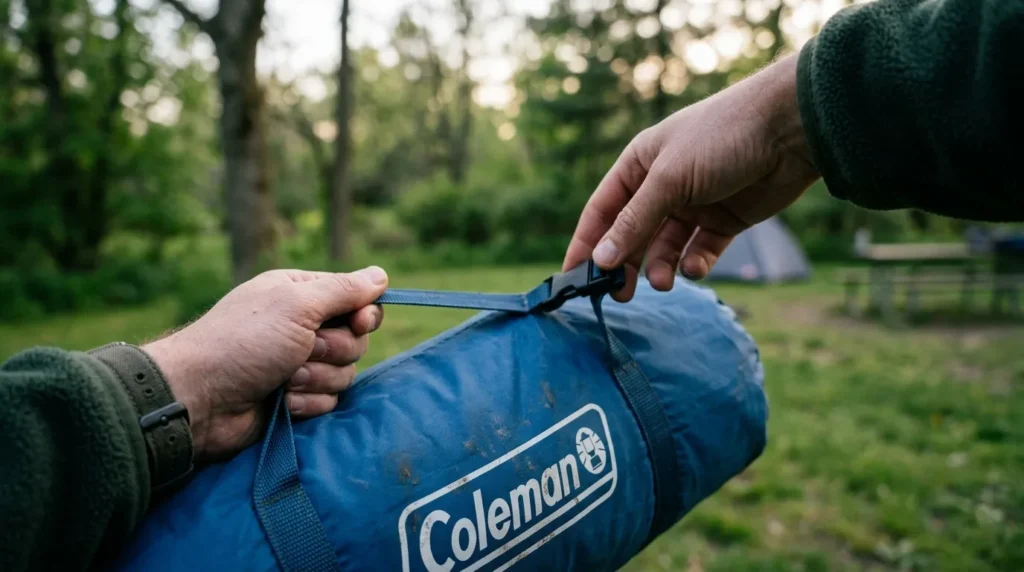
I have tested a lot of gear that claims to be instant, but the Coleman Pop Up Tent is one of the few that actually lives up to the hype. When they say ten seconds, they are being modest. I have literally pulled this out of the circular carry bag, unclipped the safety strap, and watched it explode into a fully formed tent before it even hit the grass. It is a very cool feeling, especially if you are used to the twenty minute struggle of traditional pole and sleeve tents. These spring loaded frames are all about stored energy, and Coleman has dialed in the tension perfectly. It does not feel like it is going to slap you in the face, but it has plenty of pop to stand on its own instantly.
The setup process is basically just two steps. You slide it out of the bag and you unbuckle a single plastic clip. That is it. You do not have to thread any poles or even connect any hubs like you do with the Night Cat pop up tent model I tested. For a solo camper or someone arriving at a festival site at midnight, this is the ultimate luxury. I found that I spent more time deciding exactly where to point the door than I did actually building the shelter. Once it is standing, you just toss your sleeping bag inside and you are done. It removes all the technical barriers that usually make the first hour of a camping trip so stressful.
I always suggest that you still use the included stakes and guy lines, even though the tent is freestanding. Because the frame is so lightweight, a moderate gust of wind will turn this thing into a tumbleweed if you do not anchor it down. It took me about another two minutes to peg it out properly, which is still incredibly fast. If you are curious about the mechanical details of the frame and why it stays so flexible over time, you should check out the technical breakdowns in my best pop up tent guide. For me, the setup speed is the number one reason to own this tent. It turns a chore into a three second event, which means more time for the campfire.
Will the Coleman WeatherTec system actually keep me dry in a storm?

This is where things get a bit more serious. Coleman markets this tent with their WeatherTec system, which includes inverted seams and a waterproof floor that is taped like the seams on a boat. I wanted to see if these budget features actually worked, so I left the tent out during a steady afternoon drizzle. The good news is that for light to moderate rain, the tent holds up quite well. The water beads on the polyester and the bathtub floor kept the ground moisture from seeping into my sleeping pad. It is a solid performer for fair weather camping where you might get an occasional shower.
However, I have to give you a reality check on the single wall design. Unlike the Ayamaya pop up tent review where I raved about the double layer protection, the Coleman is just one single layer of fabric between you and the elements. This means that if it rains hard and you accidentally touch the side of the tent with your shoulder or your gear, you might pull moisture through the fabric. It also means that condensation can be an issue. If you zip the doors completely shut on a cold night, your breath will condense on the ceiling and you might wake up with a damp forehead. I found that leaving the mesh windows slightly open helped a lot with this, but it is a trade off you have to accept for the low price and fast setup.
According to the technical specs from the manufacturer, the seams are factory sealed, but I always suggest adding a bit of your own seam sealer if you plan on using this for more than just a backyard sleepover. It is a cheap way to increase your peace of mind. As I mentioned in my best pop up tent guide, this is not a four season mountaineering tent. It is a fair weather friend. If the forecast calls for a tropical storm or 40 mile per hour winds, I would probably pack up and head for the car. But for 90 percent of summer camping trips, the WeatherTec system is more than enough to keep you comfortable. It is all about knowing the limits of your gear and not asking a budget tent to do a high end expedition job.
How much room is there inside for real people and camping gear?
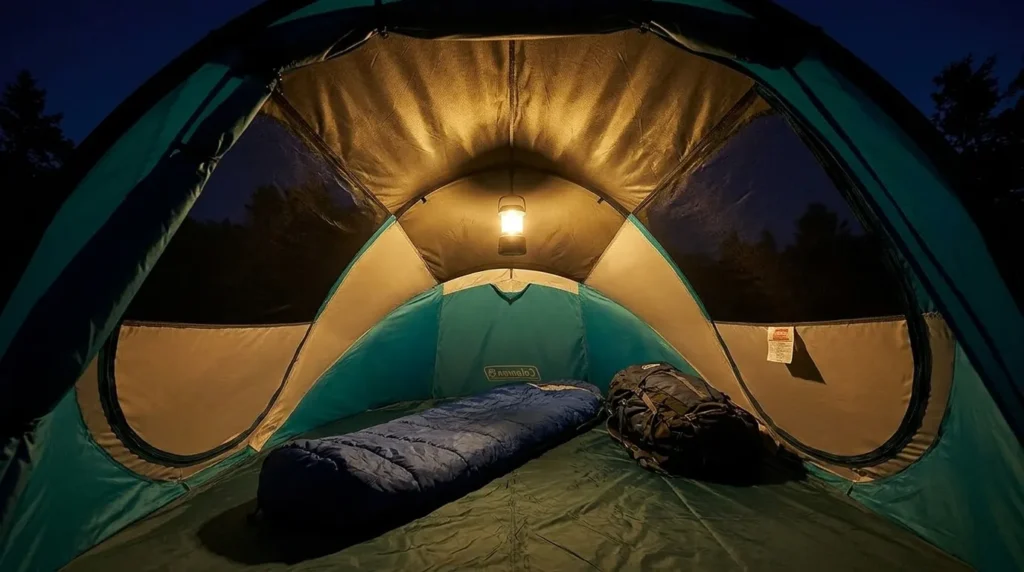
I am going to give you some straight talk here that most manufacturers will not put on the box. When Coleman calls this a 2-person tent, they mean two people lying perfectly still with zero gear and probably zero personal space. I tested the 2-person version solo and found it to be a comfortable palace for one, but it would be a very tight squeeze for a couple. If you are planning a trip with a partner, I highly recommend looking at the 4-person version instead. In my guide to the best pop up tent, I mentioned that the plus one rule is the only way to stay sane in these smaller shelters. You need that extra floor space for your backpack, your shoes, and your changing clothes.
The floor dimensions for the 2-person model are roughly seven feet by four feet. I found that my standard 25 inch wide sleeping pad fit with plenty of room to spare on the side for my duffel bag and a lantern. The center height is about three feet, which means you can sit up to change your shirt, but you will not be standing up in here. If you are someone who feels claustrophobic in small spaces, you might prefer the vertical room found in my Vidalido tent review or the much larger Bushnell instant tent review. The Coleman is a low profile dome, which is great for staying hidden and stable in the wind, but it does limit your elbow room.
I also noticed that the storage features inside are pretty basic. There are two small mesh pockets for your phone or your glasses, but that is about it. I have seen more integrated storage in models like the one I described in my Oileus pop up tent review, but then again, you are paying a lot less for the Coleman. One thing I really like is the mesh roof. If the weather is clear, you can leave the small fly off and look at the stars while you fall asleep. It makes the interior feel much larger and less like a nylon bubble. For a basic overnight trip, the livability is perfectly acceptable as long as you do not try to overstuff the space with too many people.
Is the folding process actually as hard as everyone says it is?
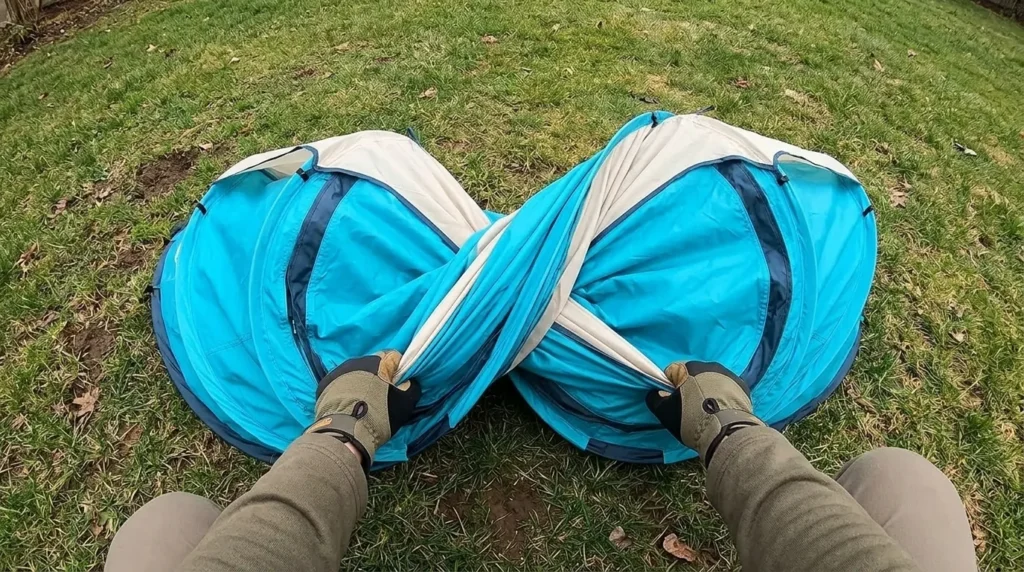
This is the part of the review where most people get nervous. We have all seen the videos of frustrated campers wrestling with their gear in a parking lot. The direct answer to the folding question is that it is incredibly easy once you understand the geometry, but it is a total nightmare if you try to wing it. Because the Coleman uses a circular spring frame, you cannot just push it down and hope for the best. You have to force the poles into a figure eight shape to get it back into the bag. I spent about twenty minutes fumbling with it on my first try until I finally went and read my own guide on how to fold a pop up tent. Once I followed those steps, it clicked.
The trick with the Coleman model is the tension. It is a very sturdy frame, so you have to be firm with it. You start by gathering the poles at the top to make a taco shape, then you stand it up and push the top down while twisting your wrists inward. If you do it correctly, the tent will naturally collapse into two overlapping circles. It is a bit like a magic trick; one second it is a giant mess, and the next it is a flat disc. I have found that I can now pack this tent away in about thirty seconds. If you want to understand why this frame is designed to be twisted like this, my post on what is a pop up tent goes into the science of the fiberglass materials.
One minor gripe I have is the carry bag. It is a bit of a tight fit. Even when I get the fold perfect, I still have to use my knees to squeeze the air out of the fabric to get the zipper closed. I suggest leaving the tent door unzipped about halfway during the fold so the air has somewhere to go. This is a common issue with circular tents, and I have noticed that brands like the one in my Teton sports vista quick tent review avoid this by using a cylindrical bag instead. But for the Coleman, the flat disc shape is just part of the deal. It is a skill that takes five minutes to learn and will save you a lifetime of frustration at the end of your camping trips.
How does the Coleman Pop Up Tent hold up after a season of real use?
I have a bad habit of being pretty rough on my gear when I am in a hurry to get home, so I was curious to see if this budget friendly frame could actually take a beating. The direct answer is that the Coleman Pop Up Tent is surprisingly resilient for its price, but it does have specific areas where you need to be careful. The fiberglass poles are very flexible, which is what allows for that magic setup, but after a full season of use, I noticed they started to hold a bit of a curve when taken out of the bag. This is normal for spring steel and fiberglass frames, and it does not really affect the structural integrity of the tent. However, if you leave the tent pitched in direct sunlight for weeks at a time, the UV rays will eventually make those poles brittle.
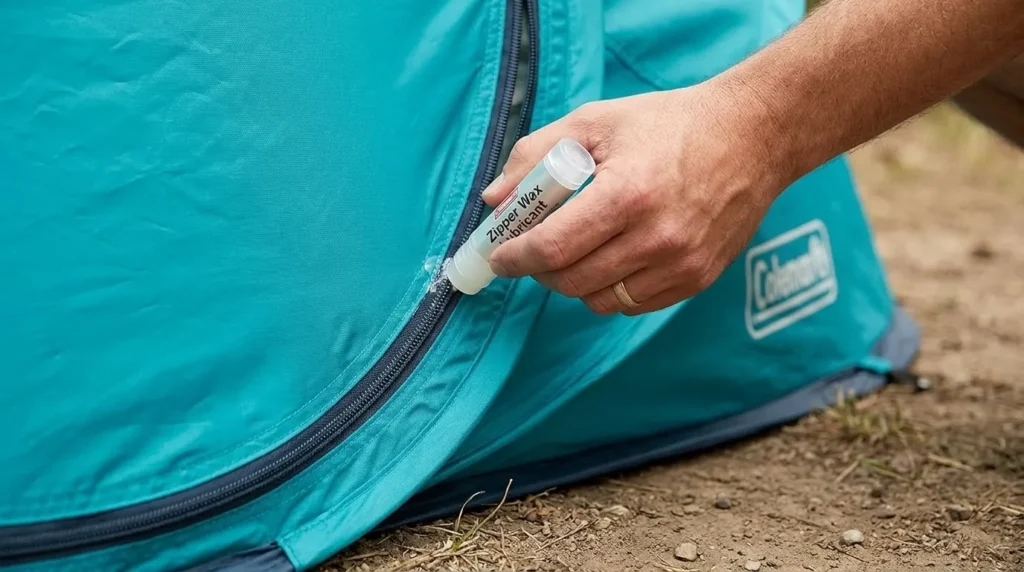
I found that the zippers are usually the first thing to show wear on budget tents. While the zippers on the Coleman are decent, they are not the heavy duty oversized ones I saw during my Hewolf pop up tent review or the ones on the Toogh tent review hexagon model. If you get a bit of dirt or sand in the track, you need to be patient. I always carry a little bit of wax or zipper lube to keep them sliding smoothly. The floor material is a lightweight polyethylene, which feels like a thin tarp. It is durable enough for grass, but I would not trust it on sharp gravel without a footprint. As I suggested in my best pop up tent guide, a little bit of extra protection under the tent will double the life of the floor.
Compared to more expensive models like the double layer setup, the Coleman feels a bit more like a temporary shelter than a permanent home. It is built for convenience above all else. According to long term user data from major outdoor retailers, most Coleman pop ups last about three to five years before the waterproof coating starts to flake or a pole joint gets stressed. For a tent that costs about as much as a tank of gas, that is an incredible return on investment. It is the perfect gateway drug for people who want to try camping without committing to a thousand dollar gear kit. If you treat the folding process with respect and keep the zippers clean, this little blue dome will stay in your rotation for a long time.
FAQs: What you need to know about the Coleman pop up tent
Can the Coleman Pop Up Tent handle high winds during a storm?
It handles light to moderate breezes quite well because of its low profile dome shape. However, because the fiberglass frame is designed to be flexible, the tent will definitely deform and push inward if a heavy gust hits it. If you are expecting high winds, you might be better off with the rigid poles found in the Night Cat pop up tent or the hexagon stability I discussed in my Toogh tent review. As long as you use all the guy lines and stakes, the Coleman should stay anchored, but it will not be the quietest night of sleep you have ever had.
Is this tent too hot to use in the middle of a humid summer?
The ventilation is decent but not world class. It has a mesh roof and two small side windows, which help move air around. However, since it is a single wall tent, it can still get a bit stuffy if there is no breeze at all. If your primary concern is staying cool in extreme heat, I would steer you toward the 360 degree ventilation system I covered in my Moon Lence pop up tent review. For a typical summer night in a wooded area, the Coleman is perfectly fine, especially if you leave the doors unzipped halfway to catch a draft.
Do I really need to buy a separate footprint for a budget tent?
I always say yes. Even though this is an affordable tent, you still want it to last. The floor is the most vulnerable part of any shelter. Using a footprint protects the WeatherTec floor from sharp sticks, rocks, and abrasive sand. It also makes the morning pack down much easier because you are not folding a muddy tent floor into your clean bag. If you do not want to buy the official Coleman one, a simple hardware store tarp cut to size will do the job just as well.
How does the setup speed compare to hydraulic or automatic tents?
The Coleman is actually faster than most hydraulic models. A hydraulic tent takes about thirty to sixty seconds because you have to extend the legs and engage the hub. The Coleman literally takes three to five seconds once you release the strap. The trade off is that the hydraulic tents usually offer more vertical head room and a more traditional packing shape. If absolute speed is your only goal, the Coleman throw tent is the winner every time.
Is there any way to repair a snapped fiberglass pole in the frame?
It is very difficult because the poles are sewn into the fabric sleeves. If a pole snaps, it often splinters, which can rip the tent fabric. You can do a temporary field repair with heavy duty duct tape and a tent stake used as a splint, but the tent will never fold back into that perfect flat circle again. This is why I am so obsessive about following the proper technique in my how to fold a pop up tent guide. Finesse is much better than force when it comes to keeping these poles in one piece.
Should you buy the Coleman Pop Up Tent for your next trip?
After living out of the Coleman Pop Up Tent and comparing it to everything from high end hubs to entry level clones, I have reached a very simple conclusion. If you are a casual camper, a festival goer, or someone who just wants to make memories in the backyard, this tent is an absolute home run. It removes the biggest barrier to camping, which is the frustration of the setup. When you can have your house ready in ten seconds, you spend more time enjoying the fresh air and less time arguing with your partner over which pole goes where.
It is not a perfect tent, and it is certainly not built for the North Pole. It has its limits when it comes to heavy rain and high winds, and you will need to spend a few minutes learning the figure eight twist to get it back into the bag. But for the price point, you are getting a reliable, honest piece of gear from a brand that has been doing this for over a hundred years. I still keep one of these in my garage for those last minute trips where I just want to grab a bag and go.
If you are looking for something a bit more substantial for real wilderness trips, check out my best pop up tent guide for more rugged options. But if you want the easiest, fastest, and most affordable way to get under the stars tonight, the Coleman is the way to go. It is a classic for a reason, and in 2026, it is still the benchmark for simple camping.
Check the current price of the Coleman Pop Up Tent on Amazon here.