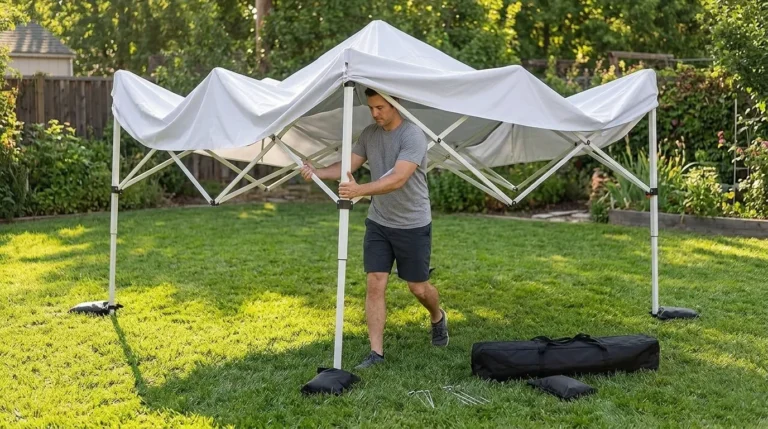


Exactly what is a pop up tent and why is everyone talking about them? If you have ever spent an hour wrestling with fiberglass poles and tangled nylon in a dark campground, then you already know why the idea of a pop up tent is so appealing. The direct answer is that a pop up tent is a type of shelter designed to set itself up in a matter of seconds using a pre-assembled frame. Unlike a traditional tent, where you have to manually feed poles through sleeves and stake everything out before it even looks like a tent, a pop up is ready to use almost the moment you take it out of the bag. I have used these for everything from solo beach trips to crowded music festivals, and I can tell you that the mental relief of having your bed ready in under a minute is a total game-changer for casual camping.
I’ve noticed a lot of confusion lately about what actually qualifies as a pop up. Most people use the term to describe anything that goes up fast, but there are actually two main styles you will see on the market today. The first is the classic circular throw tent, like the one I talked about in my best pop up tent guide. These have a flexible frame that is permanently sewn into the fabric. When you release the safety strap, the tension in the frame makes the tent spring into its full shape instantly. The second style is the hydraulic or umbrella hub tent, often called an instant tent. These use a central hub at the peak that you pull or push to lock the rigid poles into place. Both are incredible for saving time, but they function very differently in terms of stability and pack size.
According to a 2025 consumer report from the Outdoor Industry Association, the demand for easy-pitch gear has grown by over 30 percent in the last three years. People are moving away from the complex gear of the past and looking for things that allow them to spend more time enjoying the campfire and less time reading instruction manuals. I think it is important to realize that while these tents are amazing for convenience, they are built for specific environments. In this guide, I want to walk you through the mechanics of how they stay upright, what they are made of, and most importantly, whether they are a legitimate piece of camping gear or just a fancy sunshade. By the time I am done, you will know exactly if this technology fits your camping style or if you should stick to a traditional dome.
How do the different types of pop up tent mechanisms actually work?
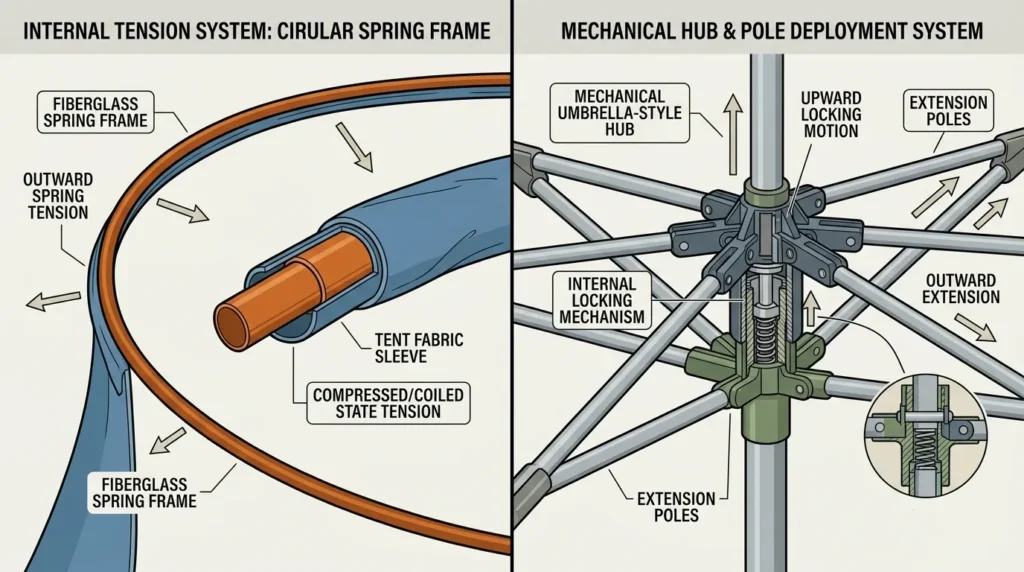
I have spent many afternoons in my backyard just playing with different tent mechanisms because I am a total gear nerd. To really understand what a pop up tent is, you have to look at the two very different ways they achieve that magic one minute setup. The first and most common style is the circular spring frame. I remember the first time I unbuckled a throw tent: it nearly took my glasses off because I was not expecting so much power. These tents use a flexible fiberglass frame that is permanently bent and sewn into the fabric. It is essentially like a giant hula hoop that has been twisted into a circle. When you release the safety strap, all that stored kinetic energy is released at once, and the tent seeks its natural, expanded shape. It is a brilliant bit of low tech engineering that relies purely on the tension of the materials.
The second style, which I usually prefer for longer trips, is the telescopic hub system. You will often see these marketed as instant tents or automatic tents. These function much more like a heavy duty umbrella. The poles are already attached to the tent body and the central hub, but they are folded in half. You lay the tent flat, extend the legs until they click, and then lift the central hub until the whole structure locks into place. I have found that these hydraulic or manual hub systems feel much more like a traditional tent once they are up. They use rigid poles that do not flex as much as the circular fiberglass ones, which gives you a lot more confidence if a breeze starts to pick up. If you are curious about the technical side of how fiberglass handles this kind of extreme stress without snapping, you can check out the engineering guides at Composites World to see why these frames are so resilient.
I have noticed that the choice between a spring frame and a hub frame usually comes down to how much you trust a mechanical joint versus a piece of flexible plastic. The spring tents are faster, but if a pole snaps, the tent is basically garbage because the frame is sewn into the sleeves. With a hub tent, like the one I feature in my Teton Sports Vista quick tent review, the poles are usually external or replaceable. In my experience, the spring style is perfect for a sunny day at the beach or a backyard sleepover, but the hub style is what I take when I am actually heading into the woods for a few days. Both are light years ahead of the old pole and sleeve designs in terms of speed, but they offer very different levels of structural integrity. Some brands use unique geometry to increase stability, such as the hexagon frame I tested in my Toogh tent review, which adds two extra poles to the hub system for better wind resistance.
What are the biggest pros and cons of using a pop up tent for your next trip?
I have lived through enough gear failures to know that every piece of equipment is a trade off, and pop up tents are no different. The direct answer to whether they are worth it is that they are incredible for saving time and mental energy, but they come with significant drawbacks in terms of how you transport them and how they handle a real storm. If you are the kind of person who hates the chore of setting up camp, the speed is a massive pro. I have arrived at music festivals where the heat was unbearable, and being able to throw my tent on the ground and be under shade in ten seconds was worth every penny. It allows you to skip the frustration and get straight to the fun part of the trip.
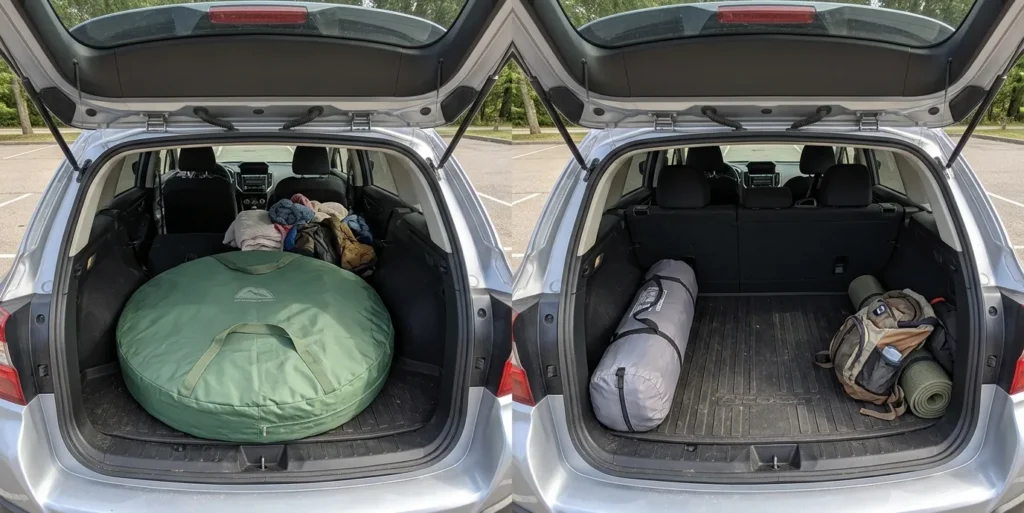
However, we need to talk about the awkward reality of the circular pack size. I mentioned this in my guide to the best pop up tent, but it bears repeating here. A throw tent folds into a giant, flat disc that can be nearly three feet wide. If you have a small car, this is a major con because it does not fit easily in a trunk. You end up having to slide it behind the front seats or lay it on top of all your other gear. This is why I often lean toward the hub style tents for actual car camping. They are slightly slower to set up, taking maybe sixty seconds, but they pack into a normal long bag that does not take up your entire back seat.
Another thing to consider is the weather resistance. Because these tents are designed for speed, many budget models use a single wall construction. This means the waterproof layer is the same layer as the tent wall. I have found that this leads to more condensation and a higher chance of leaks if you touch the sides during a rainstorm. If you want something that can handle a real downpour, you have to look for specialized models like the one I talk about in my Ayamaya pop up tent review, which features a double layer design. According to technical reports on tent construction, single wall tents are generally less breathable than double wall systems. So, while you save time at the start of your trip, you might pay for it with a damp sleeping bag if you choose a cheap model.
The last pro I want to highlight is the accessibility. Pop up tents have lowered the barrier to entry for thousands of people who were intimidated by complex gear. If you are a beginner, not having to worry about breaking a pole or losing a stake is a huge benefit. Just remember that the mechanism is the heart of the tent. If you treat it like a toy, it will break like a toy. If you treat it with respect and learn the proper way to fold it, a high quality pop up can last you for many years of easy, stress free camping. It is all about knowing the limits of the gear before you head into the woods.
If you are worried about the stuffiness of a single wall tent, you should take a look at my Moon Lence pop up tent review because that model features 360 degree ventilation that handles summer heat better than most.
Are pop up tents durable enough for actual camping or are they just backyard toys?
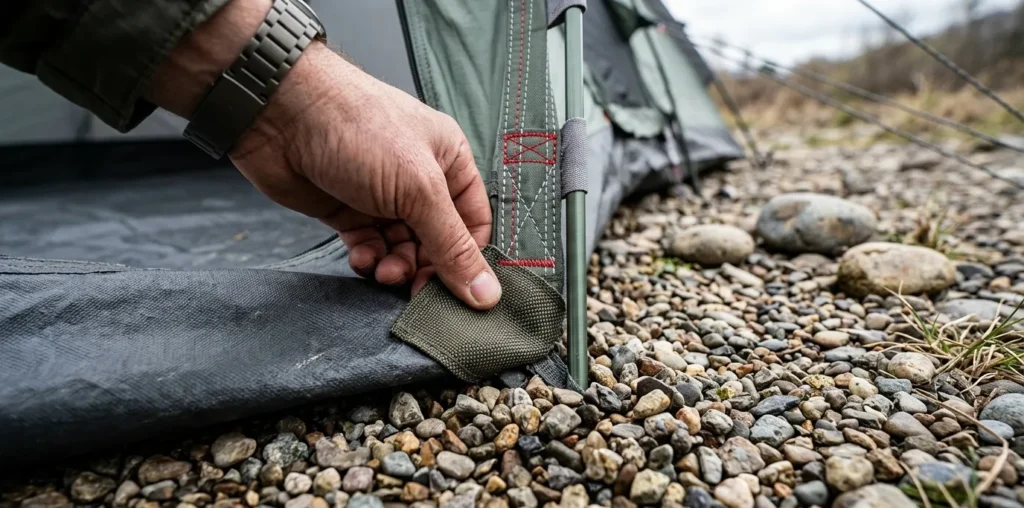
I get this question all the time in my inbox and on camping forums. People want to know if these things are legitimate pieces of survival gear or just fancy sunshades for kids to play in. I used to be a total gear snob about this. I spent years carrying technical sil-nylon tents because I thought anything that went up in ten seconds had to be junk. But after using a variety of models for my best pop up tent guide, my opinion has shifted quite a bit. The direct answer is that a high-quality pop up tent is absolutely durable enough for car camping, music festivals, and beach trips, but you have to understand the physical limits of the materials. They are built for convenience and comfort in fair to moderate weather, not for high-altitude mountaineering or multi-day backpacking treks where weight and extreme wind resistance are the only things that matter. I was pleasantly surprised by the floor durability during my Hewolf pop up tent review, as the thick Oxford fabric handled a gravel campsite much better than the thinner materials found on cheaper clones.
The durability of a pop up tent usually comes down to the frame and the floor material. Most circular throw tents use flexible fiberglass poles that are designed to be bent thousands of times. I have found that while these are remarkably resilient to snapping under normal use, they can become brittle if left in the direct sun for weeks at a time. The UV rays eventually break down the resin in the fiberglass. On the other hand, the hub style tents often use aluminum or reinforced steel poles that feel much more solid. I always tell people that if you plan on camping in areas with rocky soil or heavy brush, you should look for a tent with a high denier floor, like 210D Oxford cloth. This is much thicker than the 15D or 20D fabrics I talked about in my motorcycle camping reviews and can handle the grit of a real campsite without needing to be handled like a fragile piece of jewelry.
According to technical specifications from established manufacturers like Coleman and MSR, the lifespan of a tent is often determined more by how it is stored than how it is used. I have seen budget pop up tents last for five or six seasons because the owner dried them out completely before folding them away. Conversely, I have seen expensive gear ruined by mildew in a single month. If you are worried about the zippers or the seams giving out, my expert insight is to look for brands that offer factory-taped seams and inverted stitching. Having a double-layer design also adds a massive amount of durability because the outer fly takes all the abuse from the wind and rain, leaving the inner tent protected. For me, a pop up tent is a legitimate tool for about 90 percent of the camping most people actually do. It is only when you start pushing into extreme environments that the trade-off for setup speed starts to become a liability.
If you find yourself struggling with the pack down after your trip, I have a separate guide that explains exactly how to fold a pop up tent using the figure eight method to avoid damaging the frame.
Who should actually buy a pop up tent and who should stay away?

I have spent enough time in the camping community to realize that there is no such thing as a one size fits all piece of gear. While I love the speed of these tents, they are definitely not for everyone. If you are a beginner who is just starting your outdoor journey, a pop up tent is probably the best investment you can make. It removes the anxiety of looking like an amateur at the campground while you struggle with poles for an hour. I also highly recommend these for music festival fans. I have been to festivals where the camping area is a total zoo, and being able to claim your spot and have your house ready in ten seconds gives you a massive advantage over everyone else. It is also perfect for parents who want to give their kids a fun backyard sleepover without committing to a full scale expedition.
On the flip side, there are some people who should stay far away from this technology. If you are a backpacker, do not even consider a pop up tent. They are far too heavy and their shape is impossible to strap to a hiking pack. I also want to talk to my motorcycle riding friends here. As I discussed in my guide on the best tent for motorcycle camping, pack size is everything on a bike. A circular throw tent like the Coleman or the Oileus is a nightmare to carry on two wheels. Unless you are using a hub style instant tent that packs into a cylinder, you will find yourself fighting the wind resistance all day long. If you are someone who enjoys winter camping or high altitude mountaineering, you also need to stick to traditional technical tents. Pop up frames are designed to flex, which is great for ease of use but bad for holding up under a heavy snow load.
According to recent sales data from outdoor retailers, the middle ground of the market is where these tents really shine. They are for the car camper who wants a stress free weekend at a state park. If you fall into that category, you should check out my best pop up tent guide where I rank the top models for different budgets. If you are looking for something specifically for the beach or backyard, check out the Oileus pop up tent review. It’s a solid choice. But if you are planning to hike ten miles into the wilderness, please stick to a lightweight dome or a tunnel tent. Knowing your own camping style is the first step toward not wasting money on gear that does not fit your needs. I always tell people to be honest with themselves about how they actually spend their time outdoors. If you only camp twice a year and you always stay within fifty feet of your car, then a pop up tent is the absolute winner for you.
Families who want a bit more luxury and protection from the sun often prefer the heat shield technology I analyzed in my Bushnell instant tent review, which keeps the interior dark and cool during the day.
FAQ: Everything you still want to know about pop up tents
How long does a pop up tent actually last if I use it regularly?
The lifespan of a pop up tent depends mostly on the quality of the frame and how you store it. In my experience, a mid-range model from a brand like Coleman or Teton Sports will last between five and seven years if you use it for a few weekends every season. The biggest killer of these tents is moisture. If you fold the tent up while it is even slightly damp and leave it in the bag, the fabric will develop mildew and the waterproof coating will start to peel off. Another factor is UV damage. If you leave your tent pitched in the backyard for weeks at a time, the sun will eventually make the fiberglass poles brittle. If you treat the mechanism with care and always dry it out before storage, you will get plenty of value for your money.
Are pop up tents safe to use during a thunderstorm with high winds?
I would say they are safe but they can be very noisy and a bit unnerving. Most pop up tents are designed to flex with the wind rather than resist it with rigid poles. This means that in a 25 mile per hour gust, the walls of the tent might push inward toward your face. As long as you have the tent properly staked down and you are using all the guy lines, it is unlikely to blow away. However, for severe storms or high altitude wind, I always suggest a traditional dome tent with thick aluminum poles. If you are worried about the wind, look for the hub style instant tents like the ones in my best pop up tent guide, as they offer much more structural integrity than the circular throw versions.
Can I put a pop up tent in a standard washing machine to clean it?
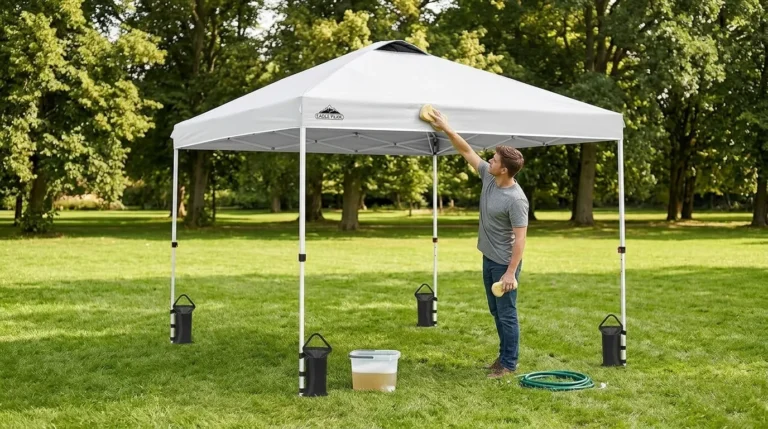
Please do not ever do this. Putting a tent with a built in frame into a washing machine will almost certainly destroy the machine and the tent. The fiberglass poles cannot handle the spinning motion and the fabric will likely tear. If your tent is dirty or smells like campfire smoke, the best way to clean it is to set it up in your yard and use a soft sponge with mild soap and lukewarm water. I usually just spray mine down with a garden hose on a low pressure setting and let it air dry completely in the shade. For stubborn stains, there are specialized tent cleaners available that will not damage the waterproof coating.
Do I really need a footprint if the tent says it has a heavy duty floor?
In my professional opinion, yes, you always need a footprint. Even if the manufacturer claims the floor is made of thick Oxford cloth, a sharp rock or a hidden root can still puncture it. A footprint acts as a sacrificial layer that takes the abuse so your tent does not have to. It also keeps the bottom of your tent clean, which makes the folding process much less of a mess. I have found that using a footprint also adds a tiny bit of extra insulation from the cold ground, which can make a big difference in your comfort level. Some models, like the Night Cat pop up tent review describes, are very easy to match with a generic tarp if you do not want to buy the official brand name version.
What should I do if one of the internal poles snaps while I am camping?
This is the nightmare scenario for pop up tent owners because the poles are sewn into the fabric sleeves. If a pole snaps on a circular throw tent, it is very difficult to repair in the field. I always carry a roll of heavy duty duct tape and a few zip ties for emergency repairs. You can usually tape a sturdy stick or a tent stake to the broken section to act as a splint. This will usually hold the tent up well enough to get you through the night. Once you get home, you can sometimes reach out to the manufacturer for a replacement inner frame, but in many cases, a snapped pole in a budget pop up means it is time for a new tent. This is why I value the higher quality frames found in the hub style tents.
Making the final decision on your quick setup shelter
After looking at the mechanics, the pros and cons, and the real world durability of these tents, it is clear that pop up technology has come a long way in 2026. What was once considered a toy is now a legitimate option for millions of campers who value their time and mental health. If you are tired of the traditional camping struggle and you just want to get outside with minimal effort, a pop up tent is an incredible tool. It allows you to focus on the things that actually matter like spending time with your family or enjoying a quiet night under the stars.
The direct answer to whether you should buy one comes down to your car and your climate. If you have the trunk space for a circular bag and you mostly camp in fair weather, a throw tent is the ultimate convenience. If you need something a bit more rugged that packs into a normal shape, go with a hub style instant tent. I have laid out all the best options in my best pop up tent guide, so make sure to start there before you make your purchase.
I will be adding more individual reviews to the site soon, including a deep dive into the Coleman pop up tent review and the Vidalido tent review, so stay tuned for those. Camping should be about having fun and relaxing, and a pop up tent is the fastest way to get there. Stop overthinking the poles and the sleeves and just get out there and enjoy the fresh air. I will see you at the campground.