
If you’re wondering what to pack when camping, you’re not alone. Packing for a camping trip can feel simple at first, right up until you’re standing in the woods wishing you hadn’t brought more. Or worse, wishing you hadn’t forgotten something important. Even experienced campers double-check their gear before heading out. Because the small things tend to matter most once you’re away from home.
Out in the open, every piece of gear has a purpose. The right setup makes the experience smoother: cooking without hassle, sleeping comfortably, staying warm when the weather shifts, and moving through your campsite with ease. Over the years, I’ve learned that a well-packed trip doesn’t come from carrying everything you own. It comes from carrying the few things that truly make a difference.
This guide breaks the process down into clear, practical steps drawn from real trips, field-tested setups, and all the mistakes I’ve made along the way. Whether you’re preparing for your first overnight camp or planning a simple weekend escape, this list will help you pack confidently and enjoy the kind of trip that feels calm, organized, and connected to the outdoors.
Start With The Essentials: Shelter, Sleep, And Weather Protection
Your shelter and sleep setup shape the entire camping experience. When these pieces work well, the rest of the trip becomes much easier: you stay warm, sleep better, and don’t spend the whole night adjusting gear or fighting cold drafts. This is the foundation of understanding what to pack when camping, and it’s the first place I start before any trip.
The basics look simple: a tent, stakes, a sleeping bag, and a pad. But the details matter. A tent that handles wind, a sleeping pad with enough insulation, and a bag matched to the night temperature can make the difference between a comfortable trip and one you can’t wait to end.
Start with your tent. Make sure you have all the stakes, guylines, and the groundsheet or footprint. Even light rain or moisture can soak through the base if the groundsheet is missing, and high winds or uneven terrain become a problem fast without proper staking. If the weather looks unstable, pack a small repair kit or extra line. They weigh almost nothing but fix a lot of campsite problems.
If you’re looking into value for money camping tents, check out the Coleman Skydome 6 person tent.
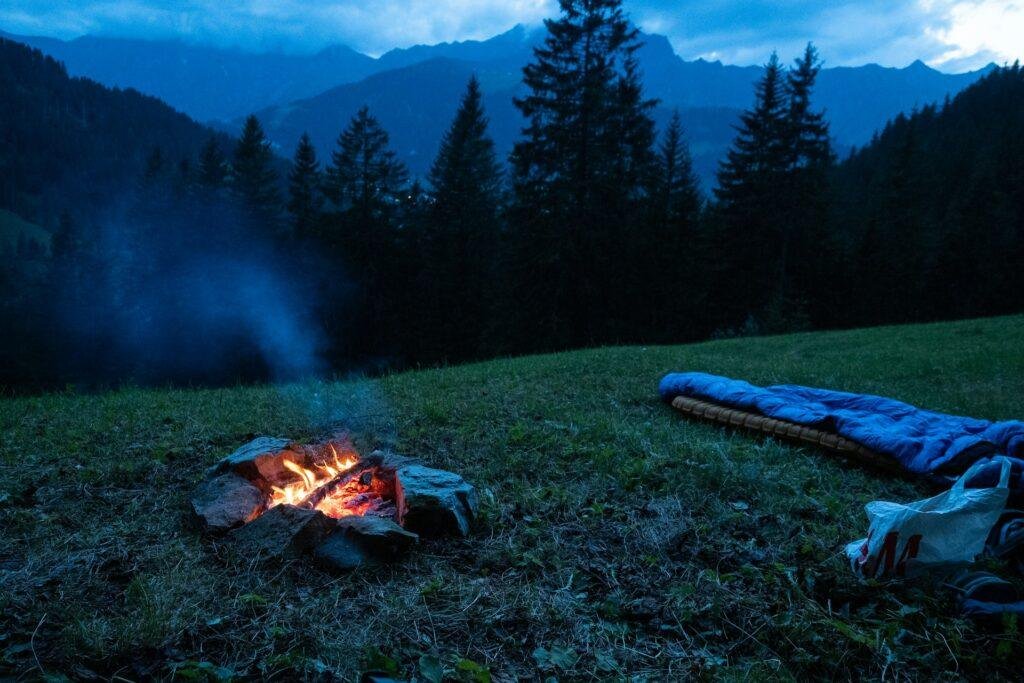
For sleep, choose your system by season. Summer nights can still be surprisingly cool, so a light sleeping bag or quilt paired with an insulated pad is usually enough. Fall and spring require a warmer bag, and winter camping demands a very specific cold-rated setup. A simple camp pillow or even a stuff sack filled with clothes goes a long way toward better sleep.
Finally, consider weather protection. A tarp or lightweight rainfly extension is one of the most useful items you can pack. It gives you a dry area for cooking, helps with ventilation in wet weather, and creates shade on hot afternoons. You don’t need much! Just something reliable enough to make your campsite feel like a small shelter rather than an exposed patch of ground.
The most critical item on your list is your shelter. If you are looking to upgrade your setup, check out our review of the best camping tents for 2026.
Clothing: Layering For Comfort In Every Forecast
Clothing can make or break a camping trip. You don’t need a large wardrobe, but you do need a few well-chosen layers that keep you comfortable as temperatures shift throughout the day. When you’re deciding what to pack when camping, clothing is one of the areas where a little planning goes a long way.
Start with a moisture-wicking base layer. This is the layer that keeps sweat off your skin and helps regulate temperature, whether you’re hiking, setting up camp, or just moving around. A simple synthetic or merino top works well in almost any season.
Your mid-layer adds warmth. A fleece or light insulated jacket is often enough for three-season trips, and it doubles as something comfortable to wear around camp once the evening cools down. In colder weather, consider bringing an additional insulated piece so you have options without overpacking.
The outer layer is your weather protection. A packable rain jacket is one of the most useful pieces of clothing you can bring, not just for storms, but for wind, cold mornings, and unexpected weather changes. Even in summer, temperatures can drop quickly after sunset, and a thin layer of wind protection makes a big difference.
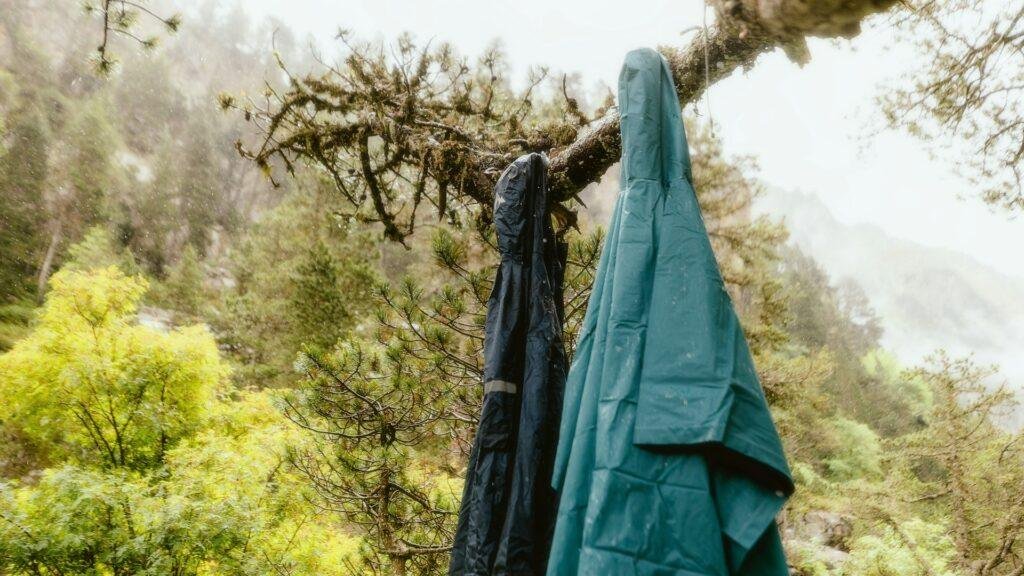
For your lower layers, keep it simple. A pair of comfortable hiking pants, warm socks, and one backup set of everything is usually enough. If you expect rain, choose quick-drying fabrics so you aren’t stuck with heavy, wet clothes at camp.
Finally, don’t forget camp-specific comfort items. A warm hat, a dry pair of socks reserved for sleeping, and a lightweight pair of camp shoes make evenings more enjoyable and mornings much easier.
Cooking Gear And Food Supplies
Cooking at camp doesn’t need to be complicated, but it does require a little preparation. When you’re deciding what to pack when camping, having the right cooking gear makes it much easier to enjoy simple meals without stress. A good setup keeps you organized, saves time, and helps you avoid the common issues that come up when you’re preparing food outdoors.
Start with a reliable stove. A small canister stove, a two-burner camp stove, or even a simple alcohol stove works fine, depending on the kind of trip you’re planning. Just be sure to bring enough fuel and a dependable lighter. Experience has taught me that matches alone are never enough, especially when the air is damp.
Next, think about your cookware. A lightweight pot, a small pan, basic utensils, and a durable mug cover most needs. If you’re car camping, you can add a bit more comfort: a cutting board, a heat-resistant spatula, or a collapsible sink for cleanup. Backpackers can keep things minimal, but it’s still worth bringing a spoon or spork that won’t bend or break.
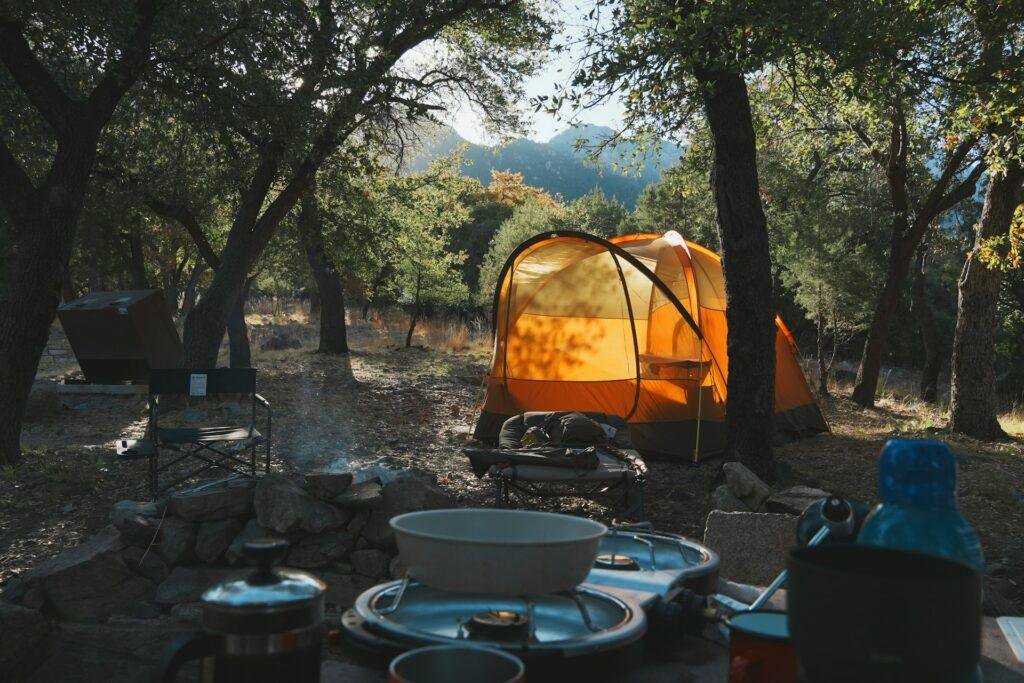
Food storage matters just as much as cooking. A cooler with ice packs works for car camping, while dry food bags or smell-proof sacks are better for areas with wildlife. Keep your food simple. Pre-cut vegetables, easy pasta dishes, and ready-to-heat meals make cooking smoother and reduce cleanup time. Breakfast can be oatmeal, fruit, or anything you enjoy that doesn’t require complicated prep.
Finally, don’t forget the quiet essentials. The small things that make outdoor cooking easier: a dish towel, a small bottle of biodegradable soap, a trash bag, and a few wipes for cleanup. These items rarely cross your mind at home, but at a campsite, they turn a messy situation into an easy one.
Water: Storage, Filtration, And Daily Use
Water is one of the simplest things to overlook when you’re figuring out what to pack when camping, but it’s also one of the most important. How much you bring, how you store it, and how you treat it can shape your entire trip. Running low on water at camp is uncomfortable at best and dangerous at worst, so a little planning makes everything easier.
Start by estimating your daily use. Most campers need at least two to three liters of drinking water per person per day, plus more for cooking and cleaning. If the weather is warm or you’re hiking, plan for extra. It’s always easier to bring a bit more than you think you’ll need than to ration water when you’d rather be drinking freely.
For storage, keep things simple. A durable water jug works well for car camping, while lightweight bottles or soft flasks are easier for backpacking. If you’re staying more than one night, consider bringing a collapsible water container so you don’t have to make frequent refills. These are light, inexpensive, and incredibly useful.
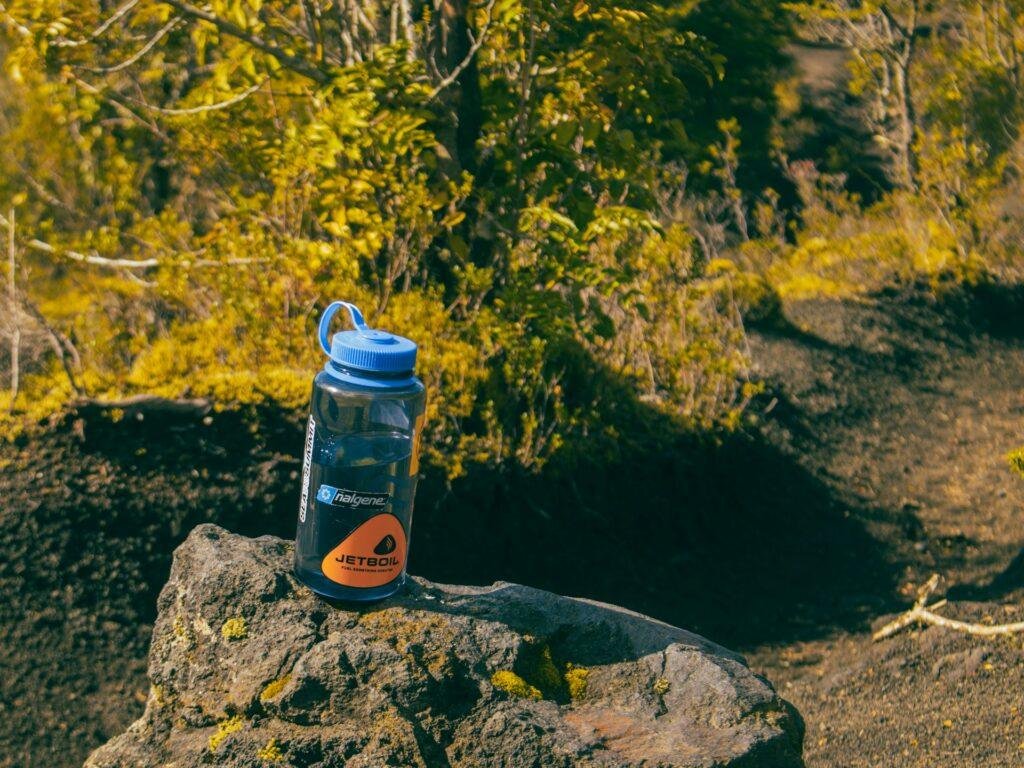
Filtration matters when your water source isn’t guaranteed. Even clear mountain streams can carry bacteria or other contaminants. A basic filter or purification tablets add almost no weight and give you peace of mind. If you’re camping near lakes or rivers, having a filter turns the environment into a reliable water source and cuts down how much you need to carry.
Finally, keep your water organized at camp. Store clean water away from anything used for cooking or cleaning, and keep bottles sealed when not in use to prevent dirt, ash, or insects from getting in. It’s a small detail, but it keeps your water cleaner, safer, and more pleasant to drink throughout the trip.
Tools, Lighting, And Navigation
These items don’t take up much space, but they have a big impact on how smoothly your trip goes. When you’re thinking about what to pack when camping, simple tools and reliable lighting often make the difference between a comfortable evening and a frustrating one. They’re the kinds of things you don’t usually notice, until you need them.
Start with lighting. A headlamp is the most useful option because it keeps your hands free for cooking, organizing gear, or walking around camp after dark. Bring extra batteries or a backup light just in case. Lanterns are great for evenings at the campsite, especially if you like reading, playing cards, or simply enjoying a softer, steadier glow around your tent.
A basic set of tools is always worth carrying. A small multi-tool covers most tasks: tightening a screw, trimming cord, opening packages, or making small repairs. A pocket knife or folding knife is helpful for food prep, rope work, or quick fixes. These aren’t specialty tools, just practical items that come up often outdoors.
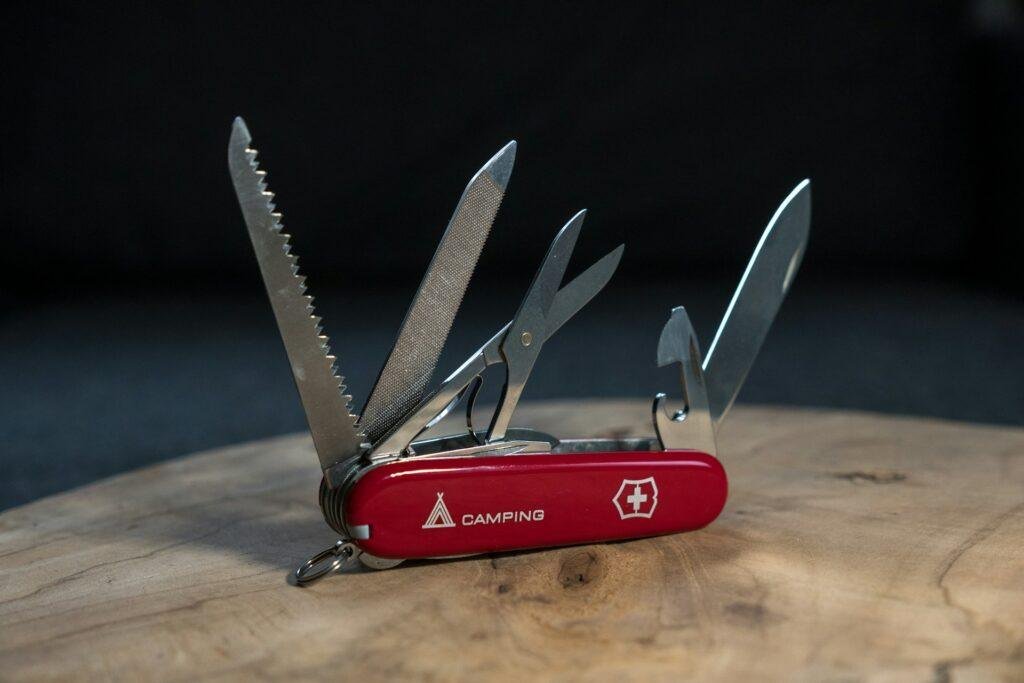
Navigation is another area many beginners skip because they rely on their phones. While your phone is fine for short, established campsites, it’s always smart to have a simple backup. A printed map, a compass, or even an offline GPS app ensures you’re covered if the battery runs low or you lose signal. They don’t need to be used often, but having them brings peace of mind.
Finally, pack a few small items that save you from headaches at camp: duct tape, paracord, and a lighter stored separately from your cooking gear. These weigh almost nothing but fix unexpected problems quickly, from ripped fabric to loose guylines to improvised shelter adjustments. Over time, you’ll learn which tools you personally reach for the most, and your kit will naturally get even simpler.
Health, Hygiene, And First-Aid Gear
Health and hygiene items don’t take up much space, but they can have a huge effect on your comfort at camp. They’re easy to overlook when you’re planning what to pack when camping, mostly because these things feel small or obvious. But once you’re outside, having the right basics can help you avoid discomfort, stay clean, and handle small issues before they become bigger problems.
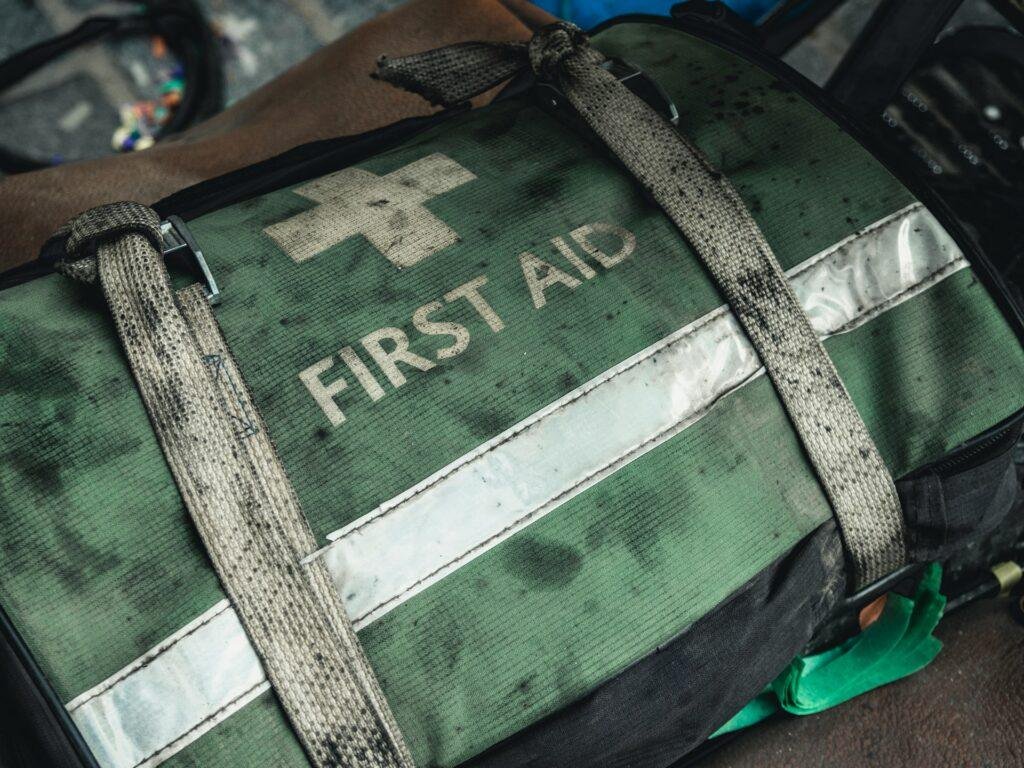
Start with a simple first-aid kit. You don’t need a large one, but it should include bandages, antiseptic wipes, blister pads, gauze, tape, and any personal medications. Add a small tube of antibiotic ointment and a few pain relievers. These cover most common problems like cuts, blisters, and minor soreness after a long day of walking or setting up camp.
Hygiene is just as important. Bring a small bag with essentials: toothbrush, toothpaste, biodegradable soap, hand sanitizer, and a quick-dry towel. These items help you stay comfortable without adding much weight. Wet wipes are also helpful for cleaning hands or wiping down before bed, especially if you’re camping in areas without easy access to water.
Don’t forget about skin protection. Sunscreen and insect repellent are two things you should always carry, even if the weather looks mild. Sunburn and bug bites are small problems at home but become a real distraction outdoors. Packing a lightweight long-sleeve layer for sun protection also helps if you’re spending long hours outside.
Finally, consider comfort items that make your trip smoother. Lip balm, eye drops, and a small container of moisturizer can make a surprising difference in dry environments. These may seem minor, but they help you stay comfortable throughout the trip and sleep better at night.
Safety Gear And Emergency Items
Safety gear is something you hope you never need, but it’s one of the most important parts of what to pack when camping. Most trips go smoothly, but small issues can turn into bigger problems quickly when you’re outdoors. A few lightweight emergency items make your campsite safer and give you the confidence to handle unexpected situations.
Start with the basics. An emergency blanket or bivy is one of the most valuable items you can pack. It weighs almost nothing, but it can help you stay warm if the temperature drops or if your sleeping setup isn’t performing as expected. Pair this with a simple whistle, loud enough to signal for help if you’re separated from others or need attention quickly.
Fire starters are another essential. Even if you’re bringing a lighter, pack a backup: waterproof matches, a small ferro rod, or pre-made fire starter tabs. Weather changes fast, and having multiple ignition sources makes it much easier to build a fire when everything around you is damp. A small bag of cotton pads dipped in wax works too; it’s an old trick that’s saved me on more than one trip.
A repair kit is something many campers forget. Duct tape, a few fabric patches, a small tube of seam sealer, and a bit of paracord can fix tents, pads, tarps, and even backpacks well enough to finish a trip. These aren’t glamorous items, but they’re the kind you appreciate deeply when something tears or breaks far from home.
Finally, think about visibility and navigation. A small, inexpensive reflective band, a backup light source, or even a compact signal mirror adds almost no weight but makes you easier to spot in low light or fog. You probably won’t need these items, but having them creates a safety buffer that gives you more freedom to relax and enjoy the trip.
Camp Comfort And “Nice-To-Haves”
Camping doesn’t have to be uncomfortable. Once you’ve packed the essentials, a few simple comfort items can transform your experience without adding much weight. These aren’t required, but they make long evenings, slow mornings, and quiet moments around camp feel more relaxed. When you’re deciding what to pack when camping, these small additions can make the trip feel more enjoyable and less like you’re roughing it.
A comfortable place to sit is one of the biggest upgrades you can bring to camp. A lightweight folding chair or even a small camp stool gives your body a break after a day of walking or setting up gear. Sitting on rocks or logs works for a little while, but having your own seat makes a surprising difference in how long you want to stay outside.
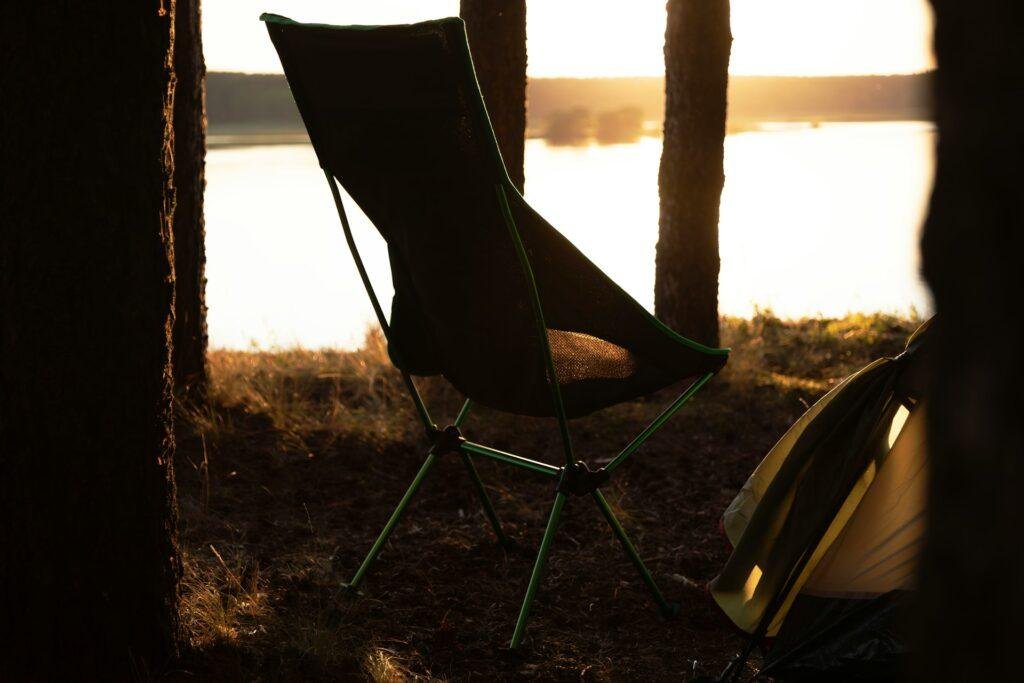
A tarp or small shade shelter is another useful addition. It creates a protected space for cooking, reading, or relaxing during unexpected rain or harsh sun. Even if you rarely use it, having that covered spot can make your campsite feel more like a temporary home than a place you’re passing through.
Comfort items don’t stop there. A soft blanket for cool nights, a hammock for quiet afternoons, and a simple table for meals can make the entire trip feel easier. Bring a small deck of cards, a book, or anything you enjoy during downtime. These small touches help you settle into the slower rhythm of being outdoors.
Finally, think about nighttime comfort. A lantern with a warm glow, a pair of cozy socks reserved just for sleeping, or a clean shirt to change into at camp all add to the sense of calm. None of these things are essential, but together they create the kind of trip you remember for the right reasons: relaxed, comfortable, and restful.
Packing For Families Or Group Trips
Packing changes when you’re camping with family or a group. You’re not just thinking about your own comfort anymore. You’re considering meals, sleeping setups, and small details that keep everyone comfortable and relaxed. When you’re planning what to pack when camping with more than one person, a little coordination makes everything smoother and prevents overpacking.
Start with the basics that everyone will share. Group cooking gear is often more efficient than everyone bringing separate items. A larger pot, a few extra utensils, and a reliable stove with plenty of fuel keep meal prep simple. Bring a cooler big enough for shared food, and pack snacks that don’t require much effort: fruit, trail mix, or anything that stays fresh without constant attention.
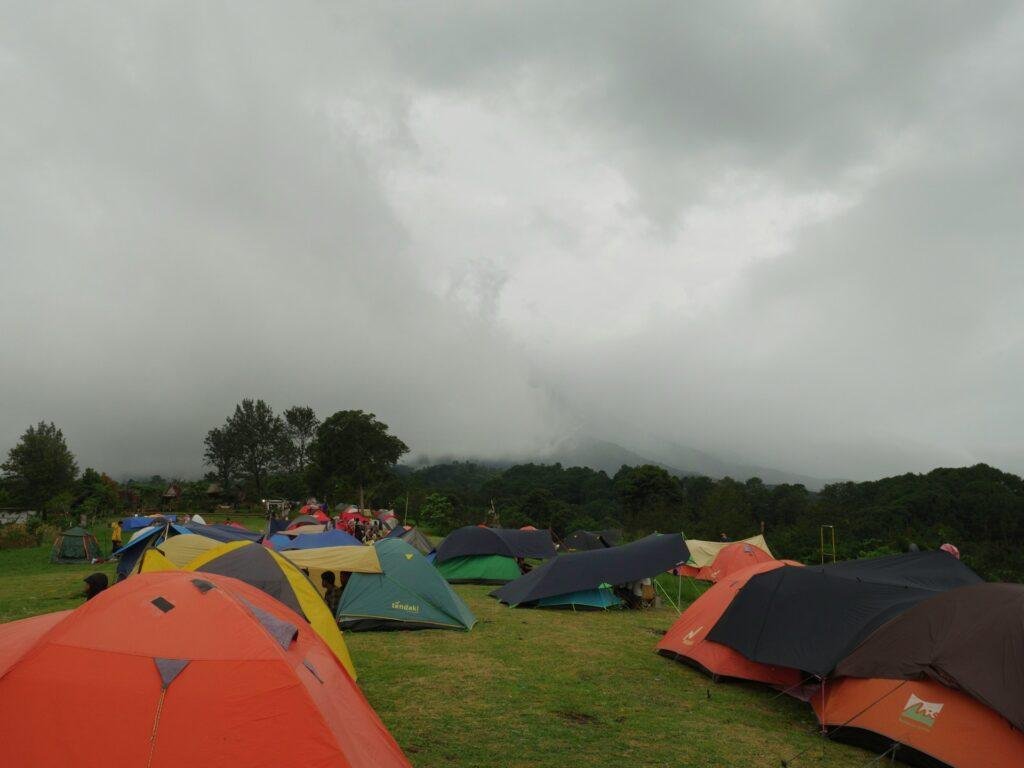
Sleeping arrangements matter a lot on group trips. Make sure each person has their own sleeping bag suited for the weather and a pad that keeps them warm and comfortable. If you’re camping with kids or beginners, bring an extra blanket or two just in case the night turns colder than expected. A larger tent or multiple smaller ones give everyone enough space to sleep well.
Group comfort items help too. Folding chairs, a lantern bright enough for evening gatherings, and a small table make meals and downtime more enjoyable. Bring simple activities: a deck of cards, a lightweight ball, or a few things to keep kids entertained at camp. These small items help the group settle in and enjoy the slower pace of outdoor life.
Finally, communication makes group packing much easier. Create a shared checklist or divide categories like food, shelter, or cooking gear so no one brings too much or too little. It doesn’t need to be strict, just enough structure so everyone knows their part. When the load is shared well, group camping becomes easier, more comfortable, and a lot more fun.
Packing For Car Camping VS Backpacking
How you pack changes depending on the type of trip you’re taking. Car camping and backpacking both offer great outdoor experiences, but each one comes with different limits, comforts, and priorities. Understanding these differences helps you decide what to pack when camping so you bring the right gear without weighing yourself down.
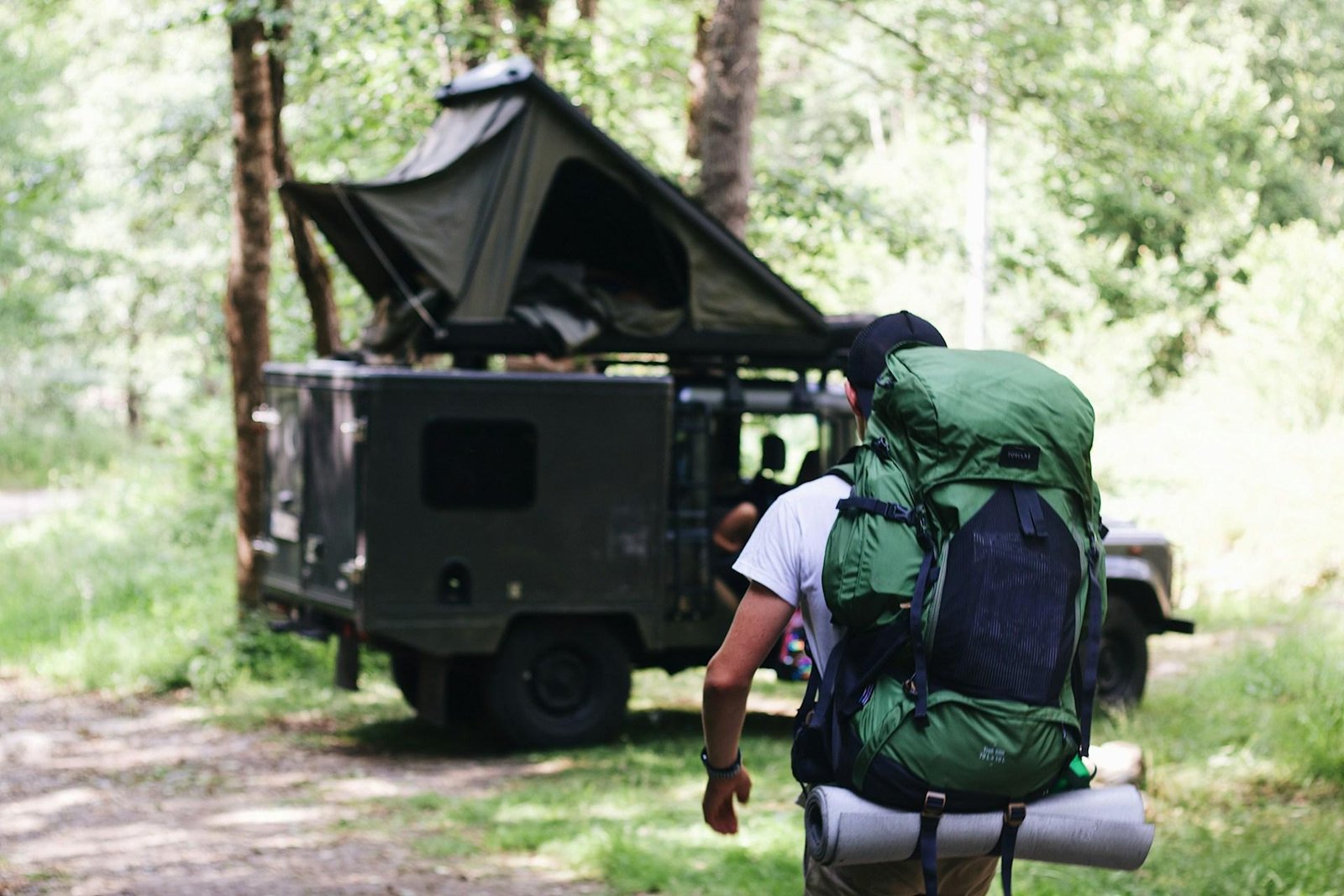
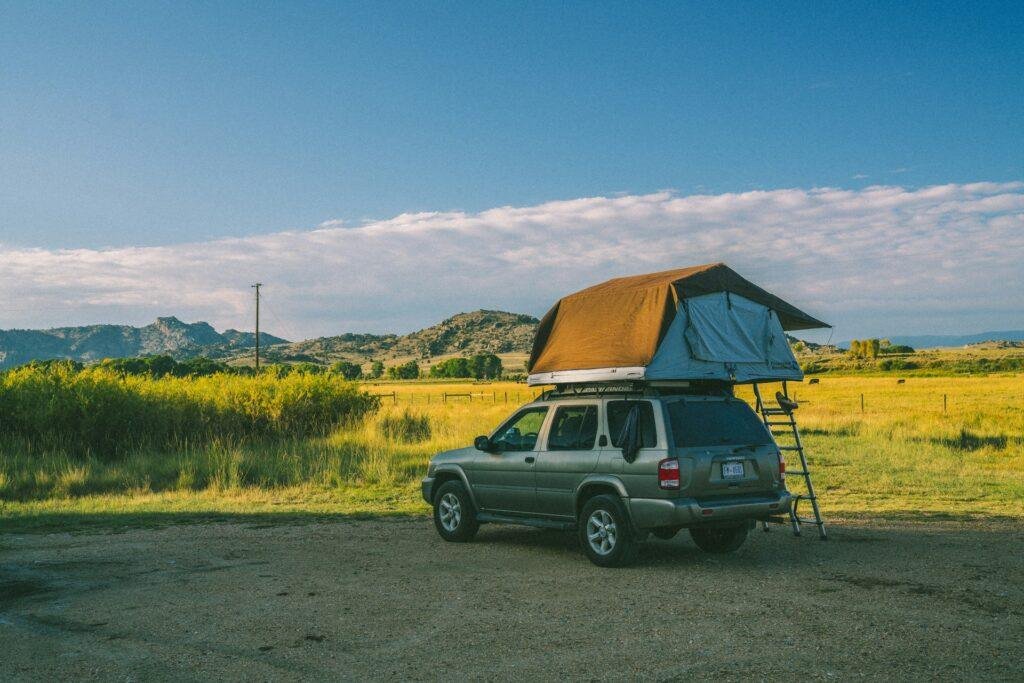
Car camping gives you more freedom. Since everything stays in the vehicle, you can bring heavier items that make camp life easier. A larger stove, a cooler with real food, thicker sleeping pads, and a few comfort extras like chairs or a small table. This style of camping is ideal for beginners because it allows you to focus on enjoying the experience without worrying too much about weight or space. You can bring backups, extra layers, or a larger tent without any trouble.
Backpacking is very different. Every item goes on your back, so weight matters far more than comfort. Your tent, sleeping bag, pad, stove, food, and water all need to be lightweight and efficient. This doesn’t mean you have to sacrifice comfort entirely. It just means you choose gear that balances comfort with packability. Even small items add up, and learning to pack only what you truly need is a skill that comes with time.
Organization also looks different between the two. Car campers can store items in bins or bags and set up gear right beside the vehicle. Backpackers need to think about where each piece of gear sits in the pack to keep things balanced and accessible. Heavy items go close to your spine, lighter items fill the edges, and essentials like snacks, water, and rain gear stay at the top or in pockets for quick access.
Both styles share the same core idea: pack with intention. Whether you’re loading a backpack or the trunk of your car, knowing why each item is there makes every trip smoother. Over time, you’ll learn your preferences, trim your list, and build a setup that fits the type of camping you enjoy most.
Packing For Different Seasons
The gear you bring changes with the seasons, even if the rest of your setup stays the same. The weather can shift quickly outdoors, and each season brings its own challenges. Understanding how to adjust your list helps you decide what to pack when camping so you stay comfortable no matter when you go.
Summer is all about heat management. Warm afternoons, cool evenings, and sudden storms are all possible. Lightweight layers, breathable clothing, and plenty of water matter more than extra insulation. A simple sleeping bag or quilt paired with an insulated pad is usually enough. Shade and airflow become important too, so packing a tarp or a small shade shelter helps you stay comfortable during hot afternoons.
Fall brings cooler nights and shorter days. Temperatures can drop quickly once the sun sets, so bring a warmer sleeping bag, thicker mid-layers, and a reliable rain jacket. A warm hat and gloves make a big difference during early mornings. Fall is one of the best seasons for camping, but it requires paying closer attention to warmth and weather changes.
Winter demands the most preparation. Cold temperatures call for a proper cold-rated sleeping bag, a well-insulated pad, and multiple clothing layers that trap heat without trapping moisture. A reliable stove, extra fuel, and a backup ignition source matter more in winter than in any other season. Even if you don’t plan on deep winter camping, being ready for unexpected cold snaps keeps you safer.
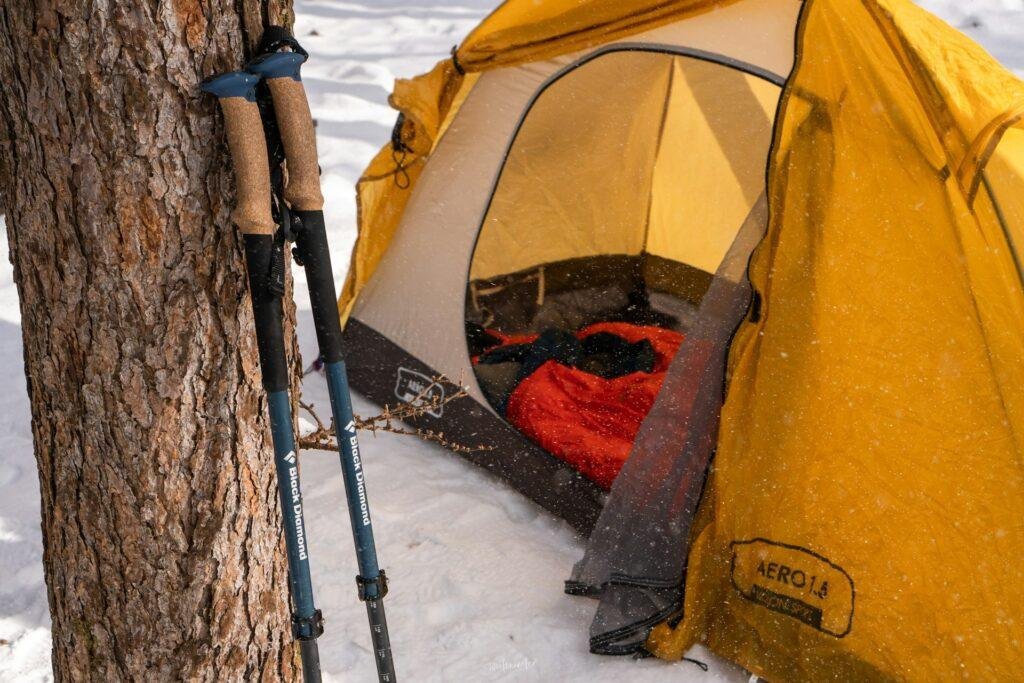
Spring brings unpredictable conditions. Everything from rain and mud to sudden warm days. Waterproof footwear, rain gear, and quick-drying clothing help manage the wet side of spring. A slightly warmer sleeping setup than you think you need is usually a smart idea. Morning frost, chilly winds, and muddy campsites are common, so packing a small tarp or groundsheet helps keep gear dry.
Each season has its rhythms, and with a little preparation, you can camp comfortably in all of them. Over time, you’ll learn which pieces of gear you rely on most, and adjusting your list becomes second nature.
Camp Setup: How To Pack For Easy Access
Packing isn’t just about what you bring. It’s also about how you organize it. When you’re figuring out what to pack when camping, thinking ahead about how you’ll access your gear can save a lot of time and frustration once you reach your campsite. A simple system keeps everything easy to find, even when you arrive late, the light is fading, or the weather isn’t cooperating.
Start by grouping your gear into categories: sleep, cooking, safety, clothing, and personal items. Pack each group in its own bag or bin so you don’t have to dig through everything just to find one item. This makes setup smoother because you can unload in steps. First shelter, then sleep, then cooking gear, without creating a mess around camp.
Your shelter and sleep setup should always be the most accessible. Keep your tent, stakes, rainfly, and sleeping gear near the top of your pack or at the front of your car. These items are the first things you’ll need when you arrive, especially if weather is unpredictable. Getting your shelter up quickly creates a base where you can take your time with the rest.
Cooking gear should come next. Pack your stove, fuel, lighter, and cookware in a way that’s quick to reach so you can start preparing meals without searching through bags. Dry food and snacks can be kept together in a single bag or small bin so you always know where they are. If you’re car camping, a dedicated food crate is an easy way to keep everything organized.
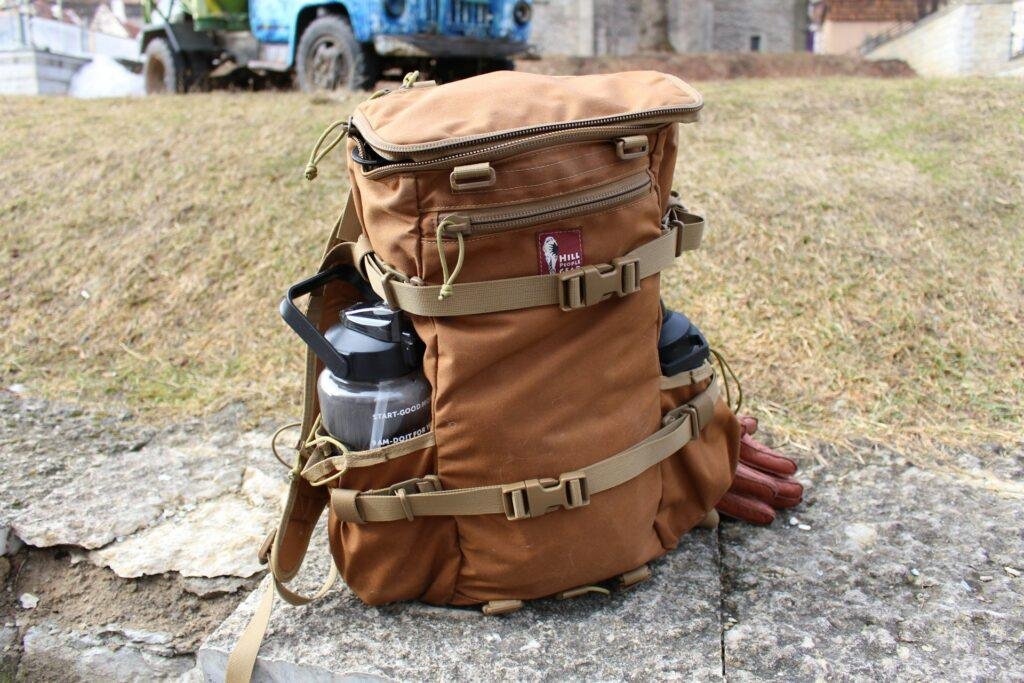
For personal items: clothing, hygiene kit, first-aid supplies, choose a single bag that stays inside the tent. This helps keep things clean, dry, and easy to access when you need them. You don’t need to over-organize, but keeping your essentials in consistent places helps you find them quickly every time.
Over time, you’ll find your own system. The goal isn’t to pack perfectly. It’s to pack in a way that supports your trip, reduces stress, and keeps your campsite neat and comfortable. A little planning before you leave home makes everything smoother once you arrive.
Complete Camping Packing Checklist
A good checklist takes all the guesswork out of packing. Once you’ve gone through it, you can head out knowing you have everything you need without trying to remember every small detail. Use this list as a simple reference when you’re deciding what to pack when camping, and adjust it over time to fit the style of trips you enjoy most.
This checklist covers the essentials without overpacking, and you can print it or save it to your phone for each trip. After a few outings, you’ll know exactly which items matter most for your style of camping.
Frequently Asked Questions About What To Pack When Camping
For a simple weekend trip, focus on shelter, sleep, clothing, food, water, and safety basics. Bring a tent, sleeping bag, sleeping pad, weather-appropriate layers, a small stove, simple meals, snacks, a water bottle, and a first-aid kit. A compact checklist helps you avoid forgetting essentials, especially when deciding what to pack when camping.
Pack fewer items than you think. Bring moisture-wicking base layers, a warm mid-layer, a weatherproof jacket, hiking pants, two shirts, warm socks, and a backup pair of socks. Add a hat and gloves if temperatures drop at night. Lightweight clothing makes packing easier and dries faster if it gets wet.
Yes. Camping in cold temperatures requires insulation and moisture control. Pack a low-temperature sleeping bag, insulated sleeping pad, warm base layers, gloves, a beanie, and a reliable heat source for cooking.
A good baseline is around one gallon per person per day. If you’re hiking or in hot conditions, you’ll need more. Carry a refillable bottle or bladder for daytime use and a larger jug at camp. A water filter or tablets are helpful if you’re near natural water sources.
Choose simple, durable foods that require minimal prep: pasta, instant rice, oatmeal, canned meals, trail mix, nut butter, tortillas, granola bars, and pre-cut vegetables. For car camping, a cooler lets you bring small luxuries like fresh produce or eggs. Keep food packed in sealed bags to stay organized.
Always bring a headlamp with spare batteries. It’s your primary light source for cooking, walking around camp, or navigating to the bathroom at night. A small lantern adds comfort, but the headlamp is the essential item. Avoid relying on your phone as your only light source.
You only need a compact kit: bandages, antiseptic wipes, blister care, tweezers, pain relievers, antihistamines, and any personal medications. Add sunscreen and insect repellent for protection. A small kit is usually enough unless you’re planning a more remote backcountry trip.
An extra blanket is optional but helpful if you tend to get cold or are camping in shoulder-season weather. It adds warmth and works as backup insulation under your sleeping pad if temperatures drop more than expected.
Use a checklist, stick to essentials, and remove duplicate items. If something has one purpose and you won’t use it often, leave it behind. Borrowing gear from friends before buying everything can also help keep your load lighter.
Lighting and small essentials. People often forget headlamps, spare batteries, lighters, sunscreen, and basic hygiene items. A quick look through your camping checklist before leaving usually prevents these last-minute oversights.
Wrapping Up
Packing for a camping trip doesn’t have to feel overwhelming. Once you understand the core essentials: shelter, sleep, food, water, clothing, and safety. It becomes much easier to build your own system and adjust it for the kind of trips you enjoy most. The goal isn’t to pack everything. It’s to pack what actually supports a comfortable and stress-free experience outdoors.
If you want to dive deeper into related topics, you can explore our full list of camping gear essentials, learn how to plan a camping trip, or check out camping tents if you’re upgrading your shelter for the season.
And if you’d like a simple way to stay organized, don’t forget to download the printable checklist included above. It’s designed to help you head out with confidence every time. If you’re exploring more gear, tips, or tent recommendations, you can always head back to the Camped Too Hard homepage to browse the latest guides and reviews.
Whether you’re camping for a weekend or planning something a little longer, the right preparation makes all the difference. Pack smart, stay safe, and enjoy the simplicity that only camping can bring.