

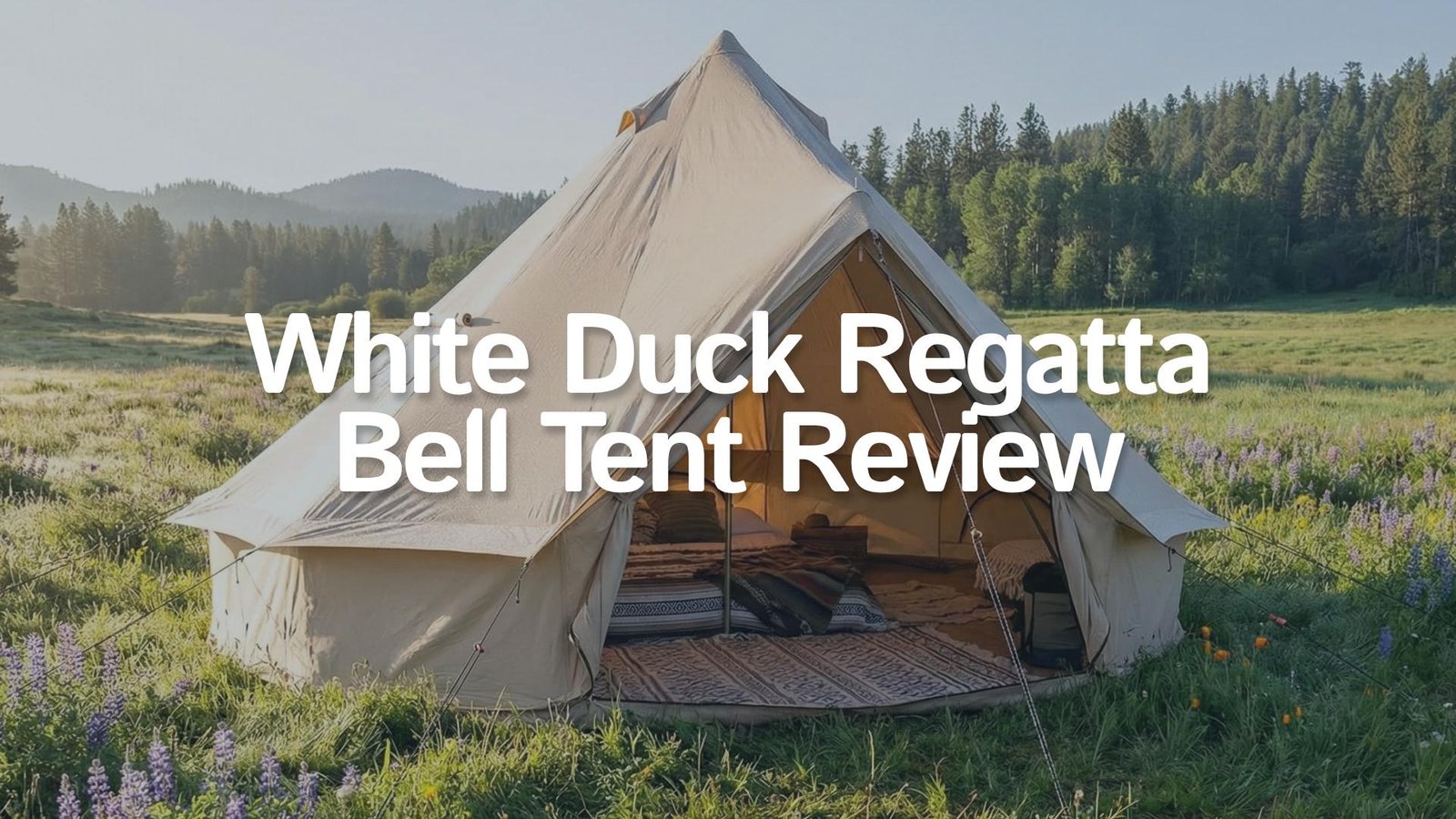
If you are reading this White Duck Regatta Bell tent review, you have likely reached the breaking point with standard nylon tents. We have all been there: waking up in a puddle of condensation, listening to thin fabric flap violently in the wind, or baking in a solar oven as soon as the sun rises. Most modern tents are functional tools for survival, but they rarely feel like a home.
The White Duck Regatta Bell tent represents a return to heritage materials enhanced with modern engineering. Constructed from 100% cotton duck canvas, it promises to be a true 4 seasons fortress that stays naturally cool in the summer and retains heat in the winter. It is marketed as the ultimate solution for glamping businesses, hunting basecamps, and families who want to upgrade their outdoor experience from enduring to enjoying.
But is a heavy canvas tent practical for the average camper? Is the setup really as easy as the company claims? And does it truly justify the premium price tag compared to a standard nylon dome?
In this in-depth White Duck Regatta Bell tent review, we are tearing down every feature of this massive shelter. We will analyze the waterproofing capabilities of the proprietary Dyna-Duck fabric, test the pre-installed stove jack for winter camping suitability, and compare it against other heavyweights like the Teton Mesa Canvas Tent and the Kodiak Canvas truck bed tent review we recently published.
Whether you are planning a deep winter hunting trip or a luxury family vacation, this guide will help you decide if the White Duck Regatta is the right investment for your future adventures.
Quick Verdict
Ideally Suited For: Glampers, hunters, and families who want a semi-permanent basecamp that offers luxury, superior climate control, and the ability to safely use a wood stove in winter conditions.
The Bottom Line: The White Duck Regatta Bell tent is a masterpiece of canvas engineering. It effectively solves the three biggest problems of traditional tent camping: unmanageable condensation, wild temperature fluctuation, and a lack of livable space.
The breathable canvas creates a superior interior climate that nylon simply cannot match. While it is heavy and requires a large footprint to pitch, the comfort it provides is unrivaled in its class. If you have the trunk space and the budget, this tent turns camping into a 5-star outdoor experience.
- Stove Jack Functionality: 5/5
- Dyna-Duck Fabric Quality: 5/5
- Climate Control (Breathability): 5/5
- Weather Resistance: 5/5
- Livability: 5/5
- Durability: 5/5
- Portability: 2/5
- Value for Money: 4/5
4.5
Overall Score
Pros and Cons
Before we dive deeper into the nitty-gritty details of this White Duck Regatta Bell tent review, here is a quick snapshot of what makes this tent shine and where it might fall short for your specific needs.
✓ Dyna-Duck Canvas: The 8.5 oz army duck cotton canvas is breathable, waterproof, and mold-resistant, offering superior longevity compared to synthetic fabrics.
✓ 4-Season Capability: It keeps you warm in winter (stove ready) and cool in summer (breathable fibers), making it a true year-round shelter.
✓ Stove Jack Included: Comes standard with a pre-installed heat-resistant silicone stove jack for hot tenting, saving you from DIY modifications.
✓ Massive Interior: The high center pole creates a cathedral-like ceiling that allows you to stand up anywhere near the center, unlike the crouching required in a Coleman Sundome 4 Person Tent.
✓ Bug Protection: High-quality mesh on doors and windows keeps even the smallest critters and no-see-ums out while maintaining airflow.
✓ Durability: Built to last for years with double-stitched seams and reinforced corners at high-stress points.
✕ Heavy: Weighing between 50 and 90 lbs (depending on size), this tent is strictly for car camping; you won’t be hiking with it like a Naturehike Cloud Up 1.
✕ Large Footprint: The guy lines extend far out from the tent walls, requiring a large, flat campsite to pitch correctly, which can be tricky in dense forests.
✕ Maintenance: Canvas requires drying before storage to prevent mold (even though it is treated), demanding more care than a polyester tent.
✕ Price: It is significantly more expensive than standard synthetic tents like the Ozark Trail 6 Person Tent.
Product Specifications
| Feature | Specification |
|---|---|
| Product Name | White Duck Regatta Bell Tent |
| Material | 8.5 oz. Army Duck Cotton Canvas (Dyna-Duck) |
| Floor Material | 7.5 oz. biodegradable sewn-in PE floor |
| Waterproofing | Water Repellent, Mold & UV Resistant finish |
| Center Height | 8 ft (13′ model) / 9 ft 8 in (16′ model) |
| Door Height | 5 ft (13′ model) / 6 ft 6 in (16′ model) |
| Stove Jack | 5-inch pre-installed silicone jack with flap |
| Windows | 3 large windows with bug mesh |
| Vents | 4 roof vents for circulation |
| Poles | Galvanized steel center pole and A-frame door pole |
| Seasonality | 4 Seasons |
| Warranty | Lifetime Warranty on craftsmanship |
The Canvas Advantage: Why Choose Cotton?
The primary reason to buy a White Duck Regatta is the material itself. In a world dominated by plastic tents, cotton canvas stands apart as a premium choice. As we discussed in our guide on 3 season vs 4 season tent differences, materials dictate performance in the field.
Breathability and Climate Control
Synthetic tents act like plastic bags; they trap heat and moisture inside. When you wake up in a nylon tent on a cool morning, the walls are often wet with condensation from your breath. In this White Duck Regatta Bell tent review, we found that moisture passes through the fabric weave effortlessly. The interior stays bone dry, even on rainy nights with multiple people sleeping inside.
Furthermore, the canvas acts as a natural thermal regulator. In direct sunlight, the thick beige fabric reflects heat, keeping the interior significantly cooler than a dark nylon tent. In winter, it traps dead air in the fibers, insulating you from the wind chill. This natural climate control is the biggest luxury of canvas camping.
Durability and Longevity
Nylon tents degrade rapidly under UV light. After a few seasons of heavy use in the sun, they become brittle and tear easily. The White Duck Regatta Canvas Bell tent uses 8.5 oz army duck canvas. This material is incredibly robust. It can withstand high winds, heavy snow loads (if managed correctly), and years of sun exposure without failing. With proper care, a canvas tent can last 15-20 years, making it a better long-term investment than buying a cheap tent every three years.
What is Dyna-Duck Canvas?
White Duck uses a proprietary fabric called Dyna-Duck. It is a double-fill army duck canvas. Double-fill means that two yarns are twisted together for both the warp and weft threads, creating a tighter, stronger weave than standard single-fill canvas. This tight weave naturally repels water before the chemical treatment even touches it. The fabric is also treated for mold, mildew, and fire resistance (CPAI-84 compliant), which is critical for long-term storage and safe stove usage.
Design and Architecture: The Bell Shape
The bell shape is iconic, but is it practical? Unlike the cabin style of the Core 9 Person Instant Cabin Tent, the White Duck Regatta Bell tent uses a central pole design that has been used for centuries.
Stability in Wind
The conical shape is naturally aerodynamic. Wind flows around the tent rather than hitting a flat wall and creating drag. When properly guyed out, this tent is a bunker. We have seen reports of it withstanding 50+ mph winds without deformation. The tension from the guy lines creates a rigid structure that feels much more secure than a flexible fiberglass dome like the Coleman Skydome 6 Person Tent. The galvanized steel center pole is thick and heavy, anchoring the entire structure to the ground.
Space and Headroom
The center pole creates massive height, over 8 feet in the 13-foot model. You can walk around freely inside. However, the walls slope outwards, meaning the standing height decreases as you move toward the edges. The White Duck Outdoors Regatta Bell tent mitigates this with a short vertical wall (sidewall) at the base. This sidewall adds crucial usable space for cots and gear storage at the perimeter, solving the main complaint of traditional tipis where you lose usable floor area to the slope.
Door Design
The door is an A-frame design, supported by a dedicated pole. This creates a vertical entry, so you do not have to unzip a sloped door and let rain fall directly into the living space. The door features a high-quality bug mesh screen behind the canvas flap, allowing you to keep the door open for views while keeping mosquitoes out.
Setup: Easier Than It Looks?
One of the biggest fears people have with canvas tents is the setup process. A common question regarding the White Duck Regatta Bell tent is: Can one person set it up alone?
The answer is yes. Despite its weight, the mechanical process is simpler than many modern tents with complex hubs.
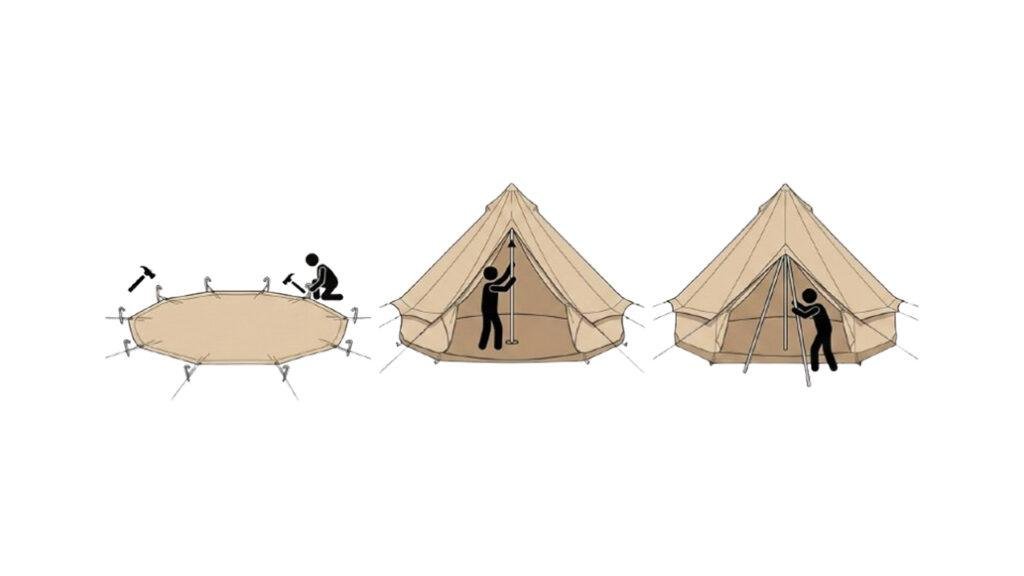
The Process
- Peg the Floor: Lay the tent flat and stake out the perimeter floor loops. This is the most time-consuming part, as you need to drive stakes into the ground securely to create tension.
- Insert Center Pole: Walk inside with the center pole and push the roof up. The tent takes shape instantly. It feels like magic.
- Insert Door Pole: Install the A-frame pole for the door entrance to create the vertical doorway.
- Guy Out: Step outside and tension the guy lines. The guy lines are pre-attached, which saves significant time.
Unlike complex hub systems or sleeve-threading nightmares (like the Alps Mountaineering Tasmanian 2), the White Duck Regatta Bell tent relies on tension. The entire process takes about 15-20 minutes for one person. It is physically heavier work than a nylon tent because you are lifting heavy canvas, but mechanically simpler and less prone to breakage.
Winter Performance: The Hot Tent Experience
This is where the White Duck Regatta Bell tent truly shines and separates itself from standard camping gear. It comes with a built-in stove jack. This allows you to install a wood-burning stove inside the tent.
Hot Tenting
If you read our article what is a hot tent, you know that adding a stove changes winter camping from surviving to thriving. You can heat the interior to 70°F while it is freezing outside. You can dry wet gear, cook meals on the stove, and lounge in your t-shirt while a blizzard rages outside.
The canvas fabric is safer for stoves than nylon because it does not melt instantly upon contact with a stray spark (though you should still be careful and use a spark arrestor). The stove jack features a flap that can be rolled down when not in use, sealing the tent against rain.
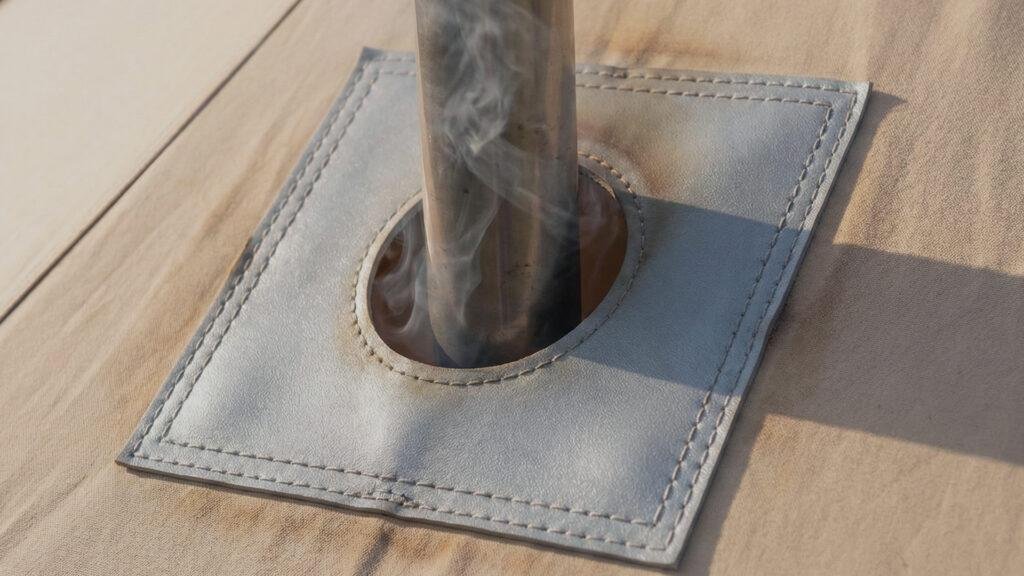
This makes the White Duck 13 Regatta Bell tent (and larger sizes) a legitimate 4 seasons shelter. It is a favorite among hunters who need a warm basecamp in late November. The stove jack is positioned correctly to allow for proper drafting of the chimney pipe, and the heat-resistant silicone material ensures the canvas does not scorch.
Comparison: White Duck Regatta vs. The Competition
To create a balanced White Duck Regatta Bell tent review, we must compare it to its peers in the canvas and heavy-duty market.
White Duck Regatta vs. Teton Sports Mesa Canvas
We previously reviewed the Teton Sports Mesa Canvas Tent. The Mesa is a Flex-Bow or cabin-style canvas tent.
- Choose Teton if: You want vertical walls and easier setup (no guy lines needed for the main structure). It maximizes edge-to-edge interior space and fits better in tighter campsites.
- Choose White Duck if: You want the aesthetic of the bell shape, better wind resistance (aerodynamics), or the ability to use a stove (the Mesa does not always come with a stove jack by default). The White Duck Regatta Canvas Bell tent feels more open due to the high ceiling and handles high winds better due to the conical shape.
White Duck Regatta vs. Kodiak Canvas Flex-Bow
The Kodiak Flex-Bow is the direct rival to the Teton Mesa.
- Choose Kodiak if: You prioritize fast setup and have a smaller campsite (no massive guy lines).
- Choose White Duck if: You plan to do winter hot tenting. The stove jack integration in the White Duck Outdoors Regatta Bell Tent is superior and standard. Also, the round shape of the Regatta creates a more communal atmosphere for groups sitting in a circle.
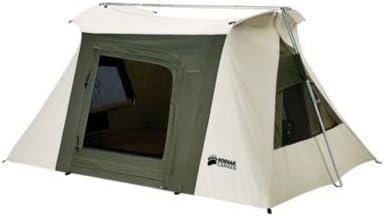
Kodiak Canvas 2 Person Flex Bow Tent
White Duck Regatta vs. Glamping Yurts
Permanent yurts cost thousands of dollars. The White Duck offers 80% of the yurt experience for 10% of the price. It is portable (barely), whereas a yurt is a building. For semi-permanent setups on your property or for festival glamping, the White Duck is the clear winner in value.
Interior Livability and Comfort
What is it like to actually live inside a White Duck Regatta?
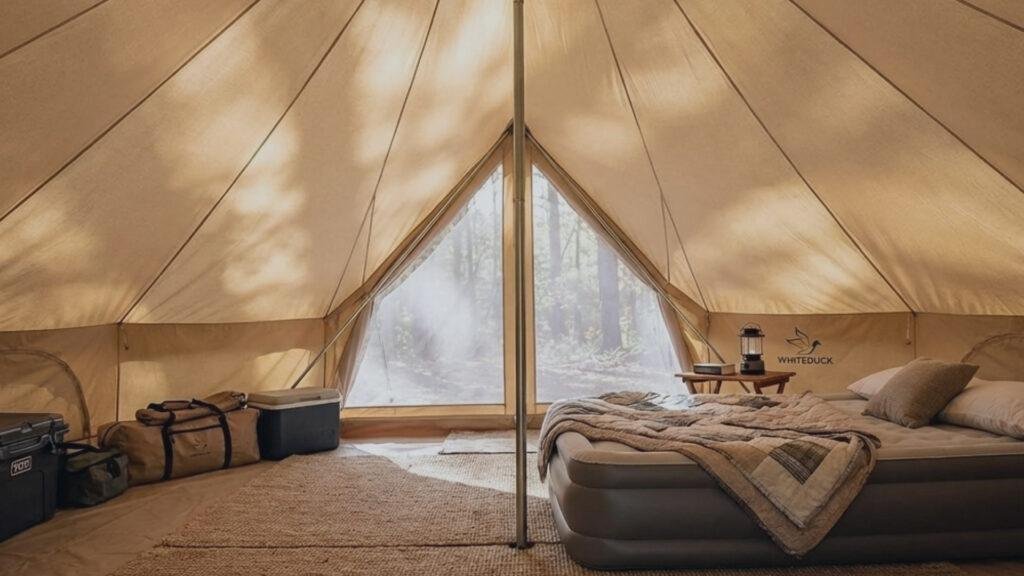
The Room Feel
Because of the light beige color of the canvas, the interior light is warm and glowing. It feels like a room, not a cave. The large windows and door mesh allow for excellent cross-ventilation. During the day, the tent is filled with a soft, diffused light that is pleasant to be in, unlike the harsh lighting inside a brightly colored nylon tent.
Sleep Capacity
- 13-Foot Model: Comfortably fits a Queen bed plus furniture (chairs, table). Can sleep 4-5 people on pads, but is ideal for a couple or small family glamping setup. You have room for a stove and still plenty of sleeping space.
- 16-Foot Model: A palace. Fits two Queen beds easily. Ideal for larger groups or long-term hunting camps. This size allows for a dedicated living room area separate from the sleeping area.
Flooring
The floor is a heavy-duty sewn-in PE groundsheet. It is thick and waterproof. Unlike floorless hot tents where you deal with mud, this keeps the inside pristine. However, it does not zip out (on the standard Regatta), so you cannot roll up the walls for a flying saucer mode like some other bell tents. If you want that feature, look at the Avalon series.
Weather Resistance: Rain and Snow
We tested the White Duck 13 Regatta Bell tent logic against the elements.
Rain: The Dyna-Duck canvas is treated with a water-repellent finish. Water beads up and rolls off. We verified that even in sustained rain, the interior remains dry. The steep roof angle sheds water instantly, preventing pooling. You will notice the canvas tightens when wet, further sealing the tent against moisture.
Snow: The conical shape is excellent for shedding snow. However, you must manage heavy accumulation. If snow piles up around the base, it can push the walls in. The center pole is strong steel, capable of supporting a decent load, but you should knock snow off the roof periodically during a blizzard. The 8.5 oz canvas is strong enough to handle winter conditions, but it is not an expedition mountaineering tent like the Alps Mountaineering Lynx 1.
Wind: As mentioned, the aerodynamics are superb. The key is the guy lines. You must use the heavy-duty stakes provided and tension the lines properly. If you do, this tent will stand when dome tents are flattening.
Maintenance and Care
Owning a White Duck Regatta Bell tent is a responsibility. Unlike nylon tents that you can abuse, canvas requires care to maintain its waterproof properties and prevent rot.
- The Seasoning Process: Before your first trip, set the tent up and soak it with a hose. Let it dry completely. This causes the cotton fibers to swell and fill the needle holes from stitching. This makes the tent 100% waterproof. Do not skip this step, or you may get leaks on your first rainy night. Repeat this process once or twice.
- Drying is Mandatory: Never, ever pack a canvas tent wet. Mold will grow within days and ruin the fabric. If you must pack it wet to leave camp, set it up in your yard immediately when you get home to dry. This is non-negotiable. Refer to our guide on how to clean a tent with mold if you accidentally neglect this step.
- Cleaning: Brush off dirt with a soft brush. Do not use harsh detergents that strip the waterproofing. If you need to clean a stain, use water and a mild soap specifically designed for canvas, or just plain water. Re-treat the canvas with a water-repellent spray every few years if you notice water stops beading.
Real World Usage Scenarios
The Family Glamping Trip
Pack real mattresses, duvets, and pillows. The White Duck Regatta is spacious enough to create a bedroom vibe. It changes the psychology of camping for reluctant family members. It feels safe, sturdy, and luxurious. You can bring rugs, end tables, and battery-powered lamps to create a true home away from home.
The Hunting Basecamp
Set this up for a week-long deer camp. Install a wood stove. You have a warm place to dry your hunting gear and cook meals. The heavy canvas withstands the abuse of boots and gear better than nylon. The height allows you to change clothes standing up, and the durability means you do not have to baby the fabric.
The Backyard Guest House
Many owners set this up in their backyard as a summer guest room or a playhouse for kids. It is attractive enough to leave up for extended periods (though UV will eventually degrade it over months). It adds a bohemian chic aesthetic to any property and serves as a great overflow accommodation for guests.
Important Considerations Before Buying
Weight and Bulk
The White Duck Outdoors Regatta Bell tent packs into a large bag (approx. 45 x 15 x 15 inches for the 13′). It takes up significant trunk space. You will not be hiking with this like you would with a Naturehike Cloud Up 2. You need a vehicle to transport it to your campsite.
Campsite Size
Because the guy lines extend 3-4 feet out from the tent wall in all directions, the 13-foot tent actually requires a footprint closer to 20-22 feet in diameter. You cannot pitch this on a small, raised tent pad designed for a standard dome tent. You need open ground. Always check the campsite dimensions before booking, especially if you are wondering how to plan a camping trip around a specific site.
Stake Power
The guy lines exert tremendous force. You need solid ground to hold the stakes. In loose sand or deep snow, you will need specialized anchors (like deadman anchors described in our Best Camping Tents roundup) to keep the tent stable. The provided J-stakes are strong, but for sand or snow, you will need to upgrade.
Frequently Asked Questions (FAQs)
Yes, the Regatta series comes with a pre-installed 5-inch stove jack made of fire-resistant silicone-coated fiberglass. You just need to cut the hole to fit your specific stove pipe diameter. It includes a flap to cover the jack when not in use.
Yes. It takes about 15-20 minutes. The center pole design is much easier than threading flexible poles through sleeves. However, the canvas is heavy, so lifting the bag out of the car requires some strength.
Canvas is cooler than nylon, but any tent gets hot in direct sun. The Regatta has four roof vents and three large windows. Opening them creates a draft. For maximum cooling, pitch in the shade. The breathable fabric prevents the greenhouse effect found in synthetic tents.
No, the standard Regatta floor is sewn-in. This keeps bugs and water out effectively but means you cannot roll up the side walls. White Duck offers an Avalon model if you want zip-off floors for a more open-air experience.
We reviewed the Coleman Weathermaster 6 recently. The Coleman is a great family tent with a screen room, but it is made of polyester. The White Duck is canvas, which means it lasts longer, breathes better, and can handle a stove. The White Duck is significantly heavier and more expensive, but it is a better long-term investment.
Wrapping Up
The White Duck Regatta Bell tent is the king of comfort. It successfully bridges the gap between a tent and a cabin. It offers the durability and climate control of traditional canvas with a setup system that is surprisingly modern and fast.
If you are a backpacker, this is not for you. But if you are a car camper, a family looking to upgrade your experience, or a winter adventurer who wants to embrace hot tenting, this is one of the best investments you can make. It is a tent you buy once and use for a decade.
For those who want to turn the outdoors into a home rather than a survival situation, the White Duck Regatta Bell tent is the ultimate choice. It earns its place among the best canvas tents on the market for those who prioritize luxury and longevity.