
If you’re thinking about heading outdoors and wondering, “Is tent camping safe?”, you’re not alone. It’s one of the most common concerns new campers have, and even experienced campers revisit the question before certain trips.
The good news is that tent camping can be very safe when you understand the risks and prepare the right way.
From weather, wildlife, site selection, gear choices, nighttime comfort, and personal security, this guide breaks everything down in a calm, practical way, based on real-world camping experience, not theory.
By the end, you’ll know how to stay safe, what risks truly matter, and how to camp confidently no matter your skill level.
If you’re already exploring beginner-friendly Camping Tents such as the Naturehike Cloud Up 2, you’ll find this article especially helpful.
Is Tent Camping Safe? (Quick Answer)
Is tent camping safe? Yes, for most people, when you choose a good campsite, bring the right gear, and follow a few basic safety habits. The risks that tend to worry new campers: wildlife, storms, cold nights, or unfamiliar sounds, are usually easy to avoid once you understand how they actually work.
Most safety concerns come down to three factors:
- Location: Where you pitch your tent makes the biggest difference
- Weather: Knowing the forecast and having the right shelter
- Preparedness: A few simple habits prevent 90% of problems
When these are handled properly, tent camping becomes one of the safest ways to enjoy the outdoors. You’re not “exposed” or unprotected; you’re simply living closer to nature, which means being a little more intentional about your setup and surroundings.
For new campers especially, understanding what really causes safety issues (and what’s just fear of the unknown) can make the entire experience more predictable, relaxing, and far more enjoyable.
Key Safety Risks in Tent Camping (and How Real They Actually Are)
Is tent camping safe? Most concerns about tent camping safety come from things that sound scary but rarely cause real danger when handled with basic awareness. Here’s a clear look at the risks people worry about, and what actually matters in practical, real-world camping.
Wildlife Encounters
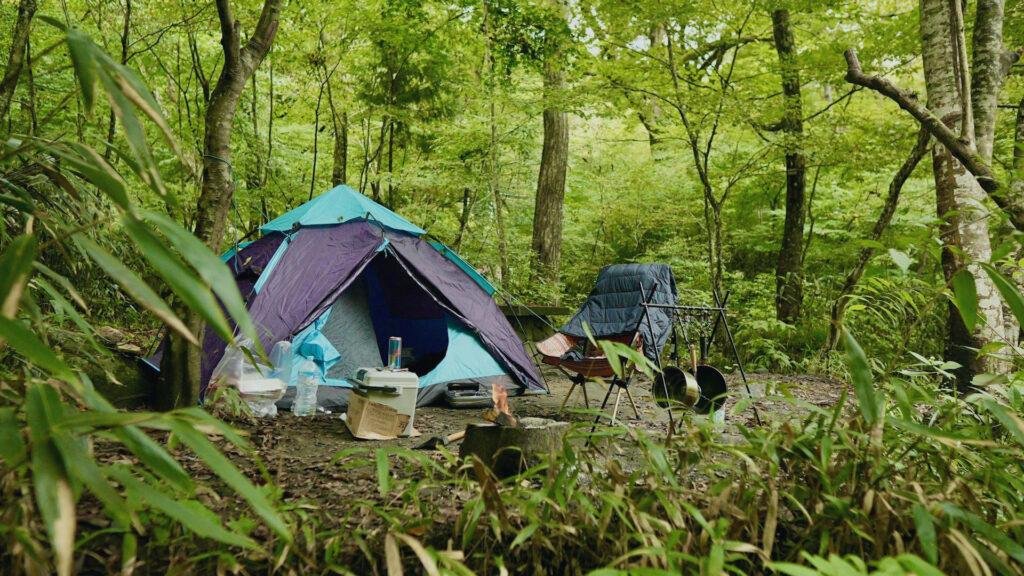
Most wildlife wants nothing to do with humans. The real risk comes from improper food storage, not from animals seeking tents or people. Bears, raccoons, and coyotes follow scents, not campers.
How to stay safe:
- Store all food in sealed containers or a campground’s bear box
- Keep zero scented items inside your tent (food, toiletries, trash)
- Clean up immediately after meals to avoid attracting animals
Weather & Storms
Sudden storms are far more dangerous than animals. High winds, falling branches, and heavy rain can turn a poorly chosen site into a risky one.
How to stay safe:
- Always check the weather before leaving
- Avoid pitching under dead branches (“widow-makers”)
- Choose a tent rated for the conditions you expect
- If storms are common, read How to Stay Warm Camping in a Tent for cold-weather shelter tips
Terrain & Location Hazards
Where you pitch your tent matters more than the tent itself.
Potential risks:
- Setting up in a flood-prone low spot
- Being too close to water (especially at night)
- Under unstable rock walls or cliffs
- On steep slopes
How to stay safe:
- Select flat, elevated ground
- Stay 200 ft from lakes and rivers
- Avoid canyon narrows during rainy seasons
Fire Safety
The most common campground accidents involve fire, not wildlife or storms.
How to stay safe:
- Build fires only in designated rings
- Keep your tent far from open flames
- Fully extinguish before sleeping
- Never cook inside the tent (carbon monoxide risk)
Temperature Drops
Unexpected cold nights are a major reason beginners feel unsafe or miserable.
If you struggle with comfort at night, check How to Make Tent Camping More Comfortable; it covers insulation, padding, and nighttime warmth in detail.
Human Error
Most problems stem from inexperience:
- Poor tent setup
- Forgetting essential items
- Not understanding campsite rules
How to Make Tent Camping Safe (Foundational Tips)
Is tent camping safe? How to make it safe? Before we get into deeper techniques, these are the core habits that make tent camping safe for beginners and experienced campers alike. Think of them as the foundation, simple actions that dramatically reduce almost every common risk.
Choose a Safe Campsite First
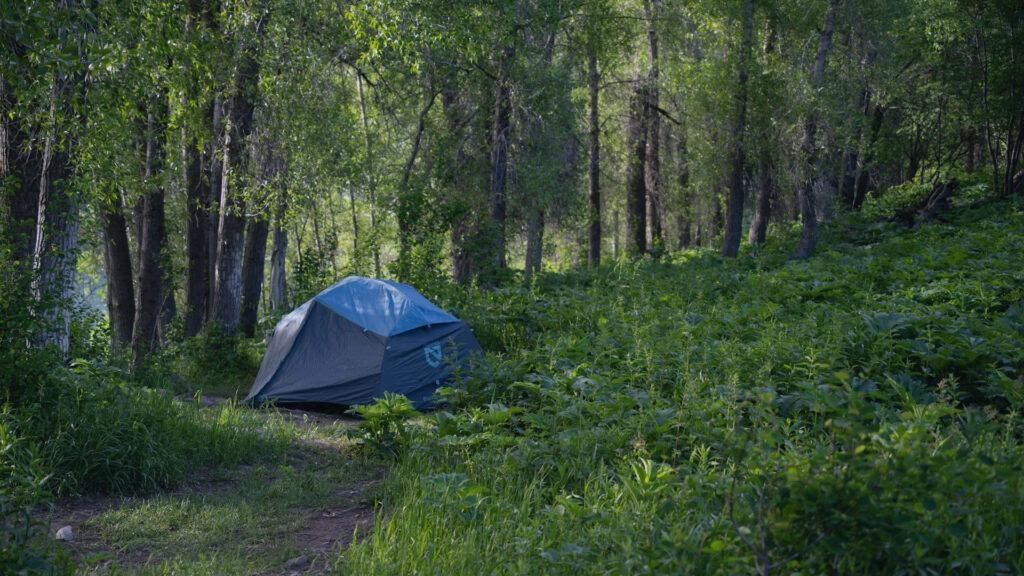
Campsite selection matters more than any piece of gear you bring.
Look for:
- Flat, elevated ground that won’t collect water
- Clear overhead space with no dead limbs (“widow-makers”)
- Distance from water to avoid nighttime rises or wildlife traffic
- Shelter from wind, like natural tree lines or boulders
A perfectly chosen site can make an average tent feel great, and a poor site can make even a high-end tent feel unsafe.
If you’re unsure how to plan a trip from start to finish, my guide How to Plan a Camping Trip walks step-by-step through choosing safe locations, booking sites, and planning routes.
Know Your Tent’s Capabilities
Every tent is built for something. Understanding your tent’s limits is the first step toward using it safely.
Ask yourself:
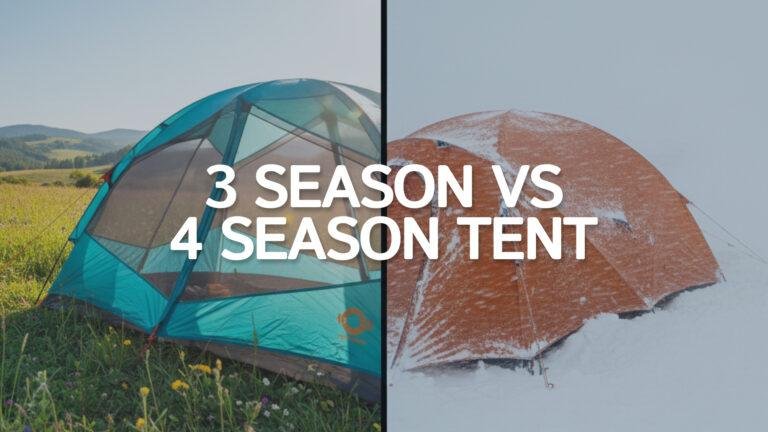
- Is it a 3-season or 4-season model?
- What wind speeds can it reasonably handle?
- Does it need extra guylines or stakes for stability?
- How waterproof is the floor and the fly?
If you’re researching gear, my full review of the Coleman Skydome 6 Person Tent gives a good example of how to evaluate build, stability, and weather readiness.
Practice Pitching Before the Trip
One of the biggest safety hazards for beginners isn’t wildlife, it’s setting up a tent for the first time after dark.
Practice once at home. You’ll:
- Learn the pole system
- Prevent setup mistakes
- Catch missing stakes or guyline issues
- Avoid frustration when the weather turns
If quick setup is important to you, my Core 9 Person Instant Cabin Tent review covers tents designed for fast, easy pitching.
Check the Weather, Seriously
Weather is the #1 factor that determines whether your trip will feel safe and enjoyable.
Always check for:
- Wind warnings
- Severe thunderstorms
- Temperature swings
- Cold front changes
- Flood advisories
Bring the Essential Safety Gear
Even a small kit dramatically improves your safety margin.
At minimum, bring:
- A headlamp (with spare batteries)
- First aid kit
- Extra layers
- Fire-starting tools
- Emergency blanket
- Water purification tablets
- Fully charged phone + power bank
For a complete list of gear you shouldn’t skip, read What to Pack When Camping, which covers essentials, comfort gear, and quick tips for beginners.
Follow Campground Rules
Most rules exist because someone ignored them before.
Common safety rules include:
- Fire restrictions
- Food storage requirements
- Quiet hours (which reduce wildlife disturbances)
- Site spacing and vehicle limits
Following them ensures a better experience for everyone around you.
Weather Safety: Staying Protected Through Cold, Rain & Wind
Weather is the most predictable “risk” in tent camping and the easiest to prepare for once you understand how tents behave in different conditions. Most discomfort or safety concerns people experience come from overlooking simple details about wind direction, moisture, or temperature changes.
Below is everything you need to stay safe, calm, and comfortable in a tent, even when the weather shifts.
Here are some tent camping safety tips:
Staying Safe in Wind
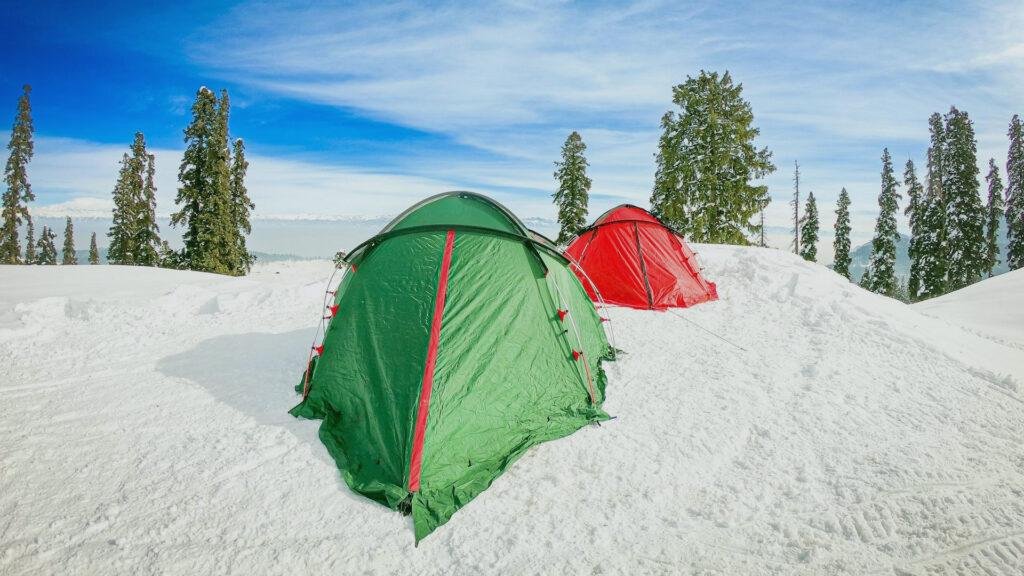
Wind is one of the most misunderstood factors in camping safety. Even a mild tent can perform well if it’s pitched correctly.
To stay safe in windy conditions:
- Pitch your tent behind natural windbreaks such as shrubs, boulders, or tree lines.
- Face the tent’s lowest profile (usually the foot end) toward the wind.
- Use all guylines, not just the main ones, they stabilize the tent dramatically.
- Check every stake before sleeping; loose stakes are the biggest failure point.
- Avoid ridge tops and fully exposed meadows.
If strong winds are expected, it may be safer to choose a campground-style site instead of dispersed camping.
Staying Safe in Rain
Most tent-related fears, leaking floors, dripping walls, and wet sleeping bags, come from poor site choice or missing preparation rather than the tent itself.
To stay dry and safe during rain:
- Pick a site on high, natural ground, never in low basins.
- Avoid pitching under trees that drop water for hours after storms.
- Always use the full rainfly and ensure it’s tensioned properly.
- Create airflow between the fly and tent body to reduce condensation.
- Store gear under the fly or vestibule instead of inside the sleeping area.
Staying Safe in Cold Nights
Cold conditions are manageable as long as you prepare for nighttime temperature drops.
To stay safe during cold weather:
- Use an insulated sleeping pad, which protects from heat loss to the ground.
- Add a warm layer before you get cold; it’s harder to warm up afterward.
- Keep damp clothes outside the tent to avoid humidity buildup.
- Eat a warm, calorie-rich meal before bed to maintain body heat.
- Use a tent with adequate ventilation to prevent ice-forming condensation.
Staying Safe During Thunderstorms
Thunderstorms are scary mostly because of sound and unpredictability, but being in a tent isn’t inherently unsafe if you make good decisions.
To reduce risk during storms:
- Avoid pitching near tall isolated trees.
- Avoid wide-open fields, choose balanced tree density.
- Stay away from metal fences, bodies of water, and exposed peaks.
- Turn off electronics and avoid touching metal tent poles during lightning.
- Stay inside the tent unless flooding becomes a concern.
When thunderstorms are forecasted, campsite choice matters more than the tent itself.
Staying Safe in Heat
Overheating is often overlooked because it builds gradually.
To stay safe in hot weather:
- Select shaded sites or pitch a reflective tarp nearby.
- Open all vents and doors to encourage cross-breeze.
- Hydrate frequently and avoid cooking inside the tent.
- Rest during the peak afternoon heat and move activities to early/late hours.
Modern shelters are built to withstand storms and keep wildlife out. To find a shelter with a high safety rating and sturdy poles, read our review of the best camping tents.
Wildlife Safety: Avoiding Animals & Reducing Attractants
Wildlife encounters are one of the biggest fears new campers have, but in reality, they’re also one of the easiest risks to manage. Animals don’t “hunt” campsites; they investigate smells.
If your camp is clean, your food is stored properly, and your presence is predictable, wildlife will almost always keep their distance.
Below is exactly how to stay safe around animals when tent camping.
Understand How Wildlife Actually Behaves
Most animals want nothing to do with humans. Problems happen when:
- food smells are left out,
- trash is accessible,
- campers leave snacks inside the tent,
- or people feed wildlife (which is extremely dangerous).
Wildlife responds to opportunity, not aggression. Removing that opportunity is the core of safety.
Store Food Properly
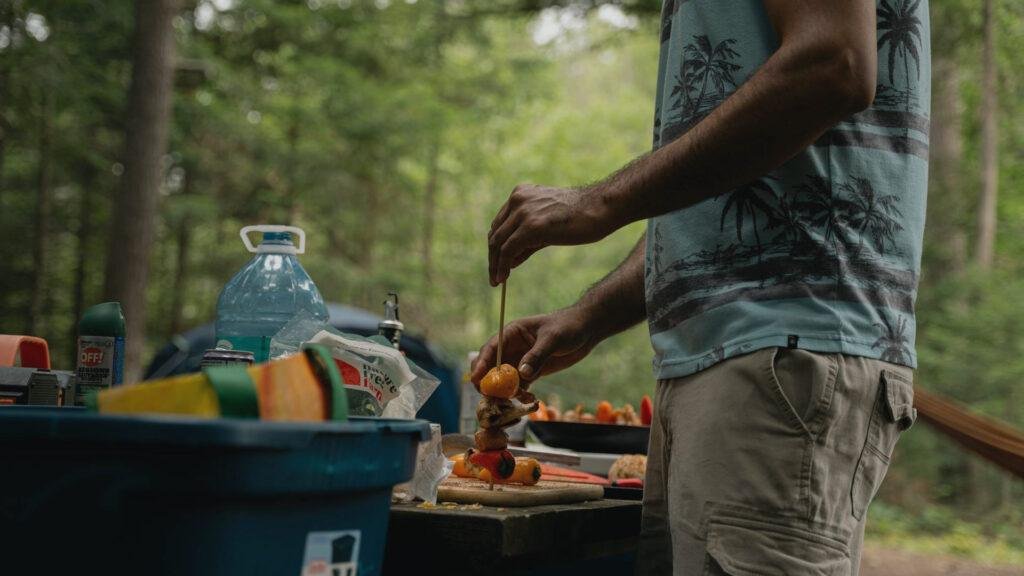
Proper food storage prevents 95% of wildlife issues.
Depending on where you’re camping, use:
- Bear lockers (campgrounds often provide these)
- Bear canisters (required in many national parks)
- Odor-proof bags for snacks and scented items
- At minimum: store food in your locked car, never in the tent
Inside the tent, only keep:
- water,
- non-scented items,
- essential gear.
Everything smelling like food or toiletries should stay outside, in a secure location.
Keep a Clean Campsite
Cleanliness sends a clear signal to wildlife that your site isn’t worth investigating.
Do this consistently:
- Throw away food scraps immediately
- Wipe down your cooking area
- Don’t leave dishes out
- Seal trash in airtight bags
- Avoid leaving scented items on the ground
These small habits dramatically reduce wildlife attraction.
Avoid Camping Directly on Wildlife Trails
Animals follow predictable paths:
- along rivers
- between forest clearings
- near berry patches
- around game trails
Avoid narrow animal corridors or tracks. If your chosen site has footprints, claw marks, or droppings nearby, move 50–100 feet away to a safer location.
Respect Quiet Hours and Reduce Nighttime Noise
Camping at night? Loud, unpredictable environments attract curiosity.
A calm, quiet campsite tells animals that the area is occupied and stable.
Stick to:
- campground quiet hours,
- low voices after dark,
- and keeping food secured before sunset.
Predictability = safety.
Use Light to Your Advantage
Animals tend to avoid:
- bright headlamps
- lanterns
- reflective materials
Before bedtime, keep a soft light on for a short while, not for fear, but to clearly signal your presence.
Never Store Food in the Tent (Ever)
This rule is non-negotiable.
Food in the tent increases the chance of wildlife approaching while you sleep. Even harmless animals, like raccoons or mice, can cause real problems, damaged gear, ruined food, or startling nighttime noises.
Your sleeping space should remain scent-free and calm.
Personal Safety: Staying Safe When Camping Alone or With Others
Personal safety during tent camping has less to do with danger and more to do with preparation, awareness, and simple habits that make your surroundings feel predictable and secure.
Whether you’re camping solo or with a group, these fundamentals help you stay in control and avoid situations that lead to stress or unnecessary risk.
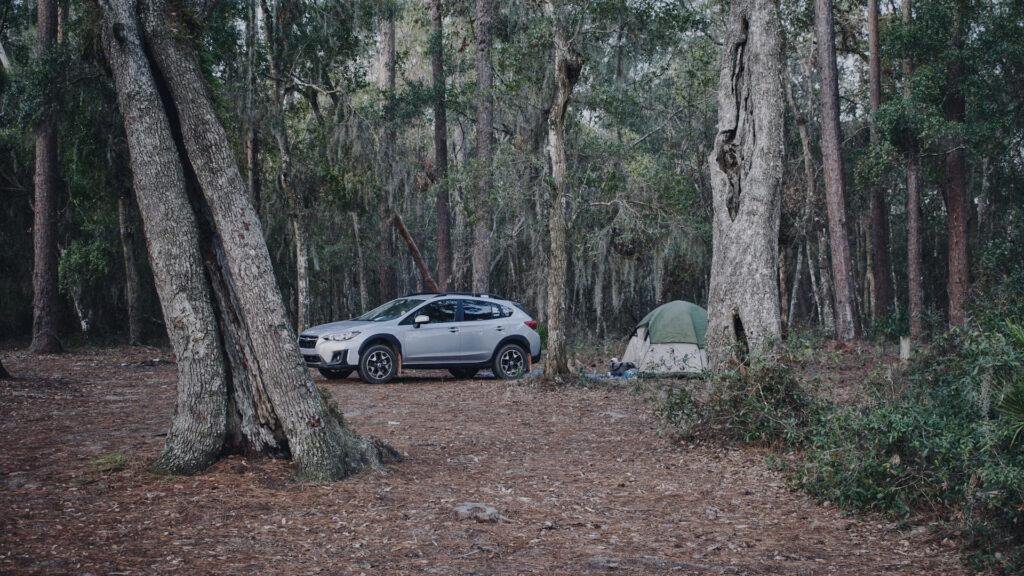
Tell Someone Your Plans
Before heading out, especially for remote areas, always share your plan with someone you trust. Provide:
- your campsite or trailhead location,
- expected return time,
- and any backup sites you may use.
This single habit makes camping significantly safer and ensures help can reach you if something unexpected happens.
Keep a Charged Phone and Power Bank
Even if service is limited, your phone still:
- acts as a GPS device,
- stores offline maps,
- and works for emergency calls in marginal coverage.
Bring a fully charged power bank and keep your phone in a dry bag to protect it from moisture.
Trust Your Instincts When Choosing Campsites
If a campsite feels off, too isolated, too noisy, too exposed, trust your instinct and move. Experience has taught me that early discomfort often signals poor terrain, unstable weather exposure, or late-night disturbances.
Use Lighting Strategically at Night
Keeping a lantern or soft light inside your tent creates a sense of control and visibility. Outside, a small campsite perimeter light helps you understand your surroundings and signals that your site is occupied.
Avoid leaving bright lights on all night; it attracts insects and reduces your night vision, but short bursts of lighting can make nighttime transitions feel much safer.
Secure Your Gear Properly
Loose gear can create hazards in the dark. Keep:
- stoves and cookware stored,
- trash tightly sealed,
- food in its proper storage area,
- and clothes packed away to avoid tripping hazards.
A tidy campsite improves safety and reduces nighttime anxiety.
Learn Basic Navigation
You don’t need to be a wilderness expert, just understand:
- how to follow marked trails,
- how to use offline maps (AllTrails, Gaia GPS, etc.),
- and how far you are from your vehicle or campground facilities.
Most new campers feel unsafe not because of wildlife or weather, but because they’re unsure of their surroundings.
Navigation removes that uncertainty.
Don’t Camp Too Close to Strangers
While campgrounds are safe, choose a site that gives you enough space to feel comfortable.
Being too close to unfamiliar campers can lead to:
- noise issues,
- awkward interactions,
- or reduced privacy.
Give yourself room whenever possible.
Keep Essentials Within Reach at Night
Place these items inside your tent’s side pocket:
- headlamp,
- water bottle,
- phone,
- warm layer,
- personal protection (if applicable in your region),
- and medication.
Knowing exactly where things are makes nighttime movement easy and avoids fumbling in the dark.
Understanding Campground Rules & Why They Matter
Campground rules aren’t random; they’re shaped by decades of real-world issues, accidents, wildlife patterns, and environmental wear.
Following them isn’t about being restricted; it’s about creating a safer, more predictable environment for you and everyone around you.
Once you understand why these rules exist, they stop feeling like limitations and start feeling like protection.
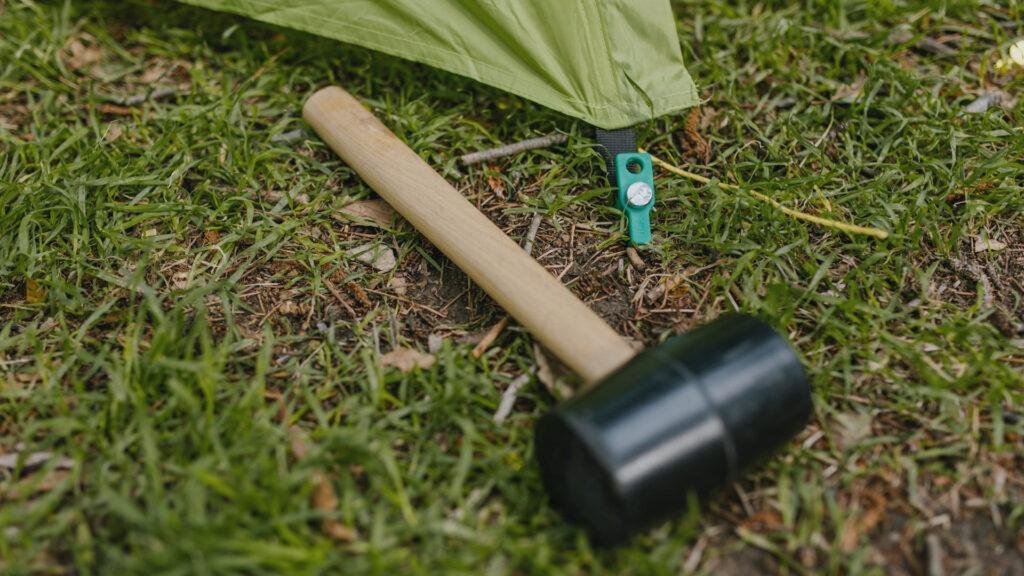
Fire Safety Rules
Fire regulations are the most important rules you’ll encounter.
They prevent:
- wildfires,
- scorched vegetation,
- carbon monoxide exposure,
- and nighttime hazards in overcrowded areas.
Most campgrounds require:
- fires only in designated rings,
- never leaving fires unattended,
- fully extinguishing flames before bed,
- respecting burn bans during dry seasons.
A small, controlled fire is safe. A neglected one is not.
Wildlife Protection Rules
These rules directly protect campers and animals.
Common ones include:
- storing food in animal-proof lockers,
- keeping coolers in vehicles,
- disposing of trash immediately,
- no feeding wildlife (ever).
They exist because animals learn patterns quickly.
If a single camper leaves food accessible, wildlife begins associating humans with food, a dangerous cycle for both sides.
Quiet Hours & Noise Limits
These aren’t just for courtesy; they reduce nighttime conflicts and make wildlife less likely to wander through active areas.
Quiet hours usually begin around 10 PM and help ensure:
- calmer wildlife behavior,
- better sleep for everyone,
- safer nighttime conditions.
A calm atmosphere makes the entire campground feel more secure.
Campsite Boundaries & Space Rules
Many campgrounds mark exact limits around each site.
These boundaries:
- minimize crowding,
- prevent accidental trespassing,
- and reduce noise overlap between groups.
Respecting boundaries isn’t just polite, it’s safer.
Crowded sites often lead to trip hazards, misplaced gear, and difficult nighttime navigation.
Vehicle Rules
Campground roads can be unpredictable at night.
Vehicle rules exist to:
- prevent late-night driving hazards,
- reduce dust and noise,
- protect sleeping campers,
- preserve the natural ground.
Most campgrounds limit driving after dark for these reasons.
Pet Policies
Pet rules vary but typically require:
- leashes at all times,
- designated pet-friendly sites,
- specific waste disposal areas.
These protect your pet from wildlife and prevent conflicts with other campers. Even the most well-behaved dog can trigger unwanted animal behavior or anxiety in nearby tents.
Check-In, Check-Out & Registration Rules
These ensure rangers know:
- which sites are occupied,
- who may need assistance,
- where vehicles should be,
- and whether a missing camper is truly missing.
Registration rules may feel administrative, but they serve a safety purpose that becomes extremely important in emergencies.
Trusting Your Instincts (When to Adjust Your Plans)
One of the most underrated parts of camping safely is learning to trust your instincts. Over time, your senses become more attuned to weather, terrain, and atmosphere, but even beginner instincts are usually more accurate than you think. If something doesn’t feel right, it’s worth paying attention.
Below are the situations where trusting your intuition can prevent problems long before they start.
When the Campsite Feels “Off”
Sometimes a campsite looks fine, but something about it feels wrong, maybe the ground seems uneven, the wind feels stronger than expected, or the surrounding area feels too exposed. Trust that feeling.
Signs it’s not the right spot:
- trees creaking overhead,
- distant thunder you didn’t expect,
- ground that feels damp or recently flooded,
- signs of animal traffic,
- unexpected noise from nearby campers.
Moving early is always better than regretting it at midnight.
When the Weather Changes Abruptly
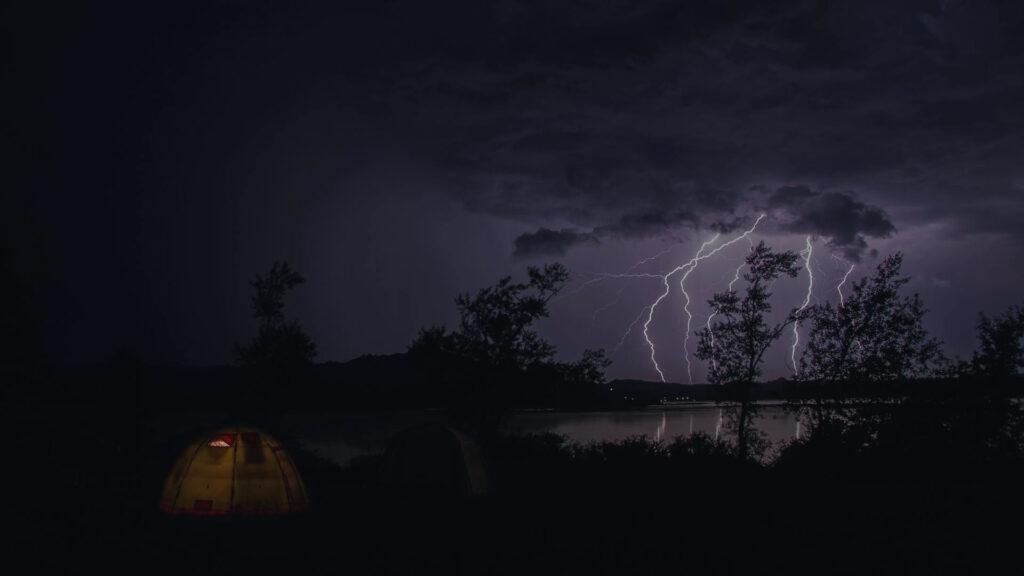
Weather can shift faster than forecasts predict. Clouds lowering, wind direction changing, or sudden temperature drops usually signal an incoming system.
Trust your read and:
- tighten guylines,
- pack loose gear,
- set up a rainfly early,
- adjust your campsite orientation,
- or decide to move entirely if conditions worsen.
Weather rarely surprises those who pay attention to early signals.
When Wildlife Seems Too Active
You can usually “feel” when animals are nearby, rustling in brush, footprints, scat, or persistent sounds. If activity increases, your site may be near a wildlife corridor.
In that case, relocate at least 50–100 feet.
It’s a small effort that dramatically increases safety.
When You’re Pushing Past Fatigue
Tired campers make poor decisions. If you’re losing daylight, feeling drained, or rushing setup, stop and re-evaluate.
Sometimes the safest choice is:
- choosing a closer campsite,
- shortening a trail plan,
- or prioritizing shelter before everything else.
Your energy level is one of your best built-in safety indicators.
When Group Dynamics Are Off
If you’re camping with others and tension, arguments, or stress start to rise, acknowledge it early.
Group friction can lead to rushed decisions, skipped safety steps, or miscommunication during setup.
A quick break, a meal, or resetting expectations can prevent mistakes later in the night.
When Your Comfort Drops Dramatically
Feeling unusually cold, uneasy, overwhelmed, or unsafe isn’t something to brush off.
Comfort is a direct safety signal. If something feels too uncertain, take action:
- warm up with layers,
- move gear,
- re-stake the tent,
- adjust ventilation,
- or even relocate if needed.
Your body often senses a problem before you consciously notice it.
FAQs
Yes. With a good campsite, proper food storage, and a stable tent setup, sleeping in a tent is very safe. Most risks people worry about, wildlife, storms, or temperature drops, are manageable with simple habits.
Small animals can chew through tents if food is inside, but they rarely bother tents that are clean and scent-free. Larger animals almost never approach tents unless food is mishandled. Storing everything properly is the key.
A tent won’t protect you from lightning directly, but choosing a safe campsite (not under tall isolated trees or in open fields) makes thunderstorms low-risk. Staying inside the tent is usually the safest choice unless flooding threatens the area.
Only if the heater is rated for indoor or tent use. Many heaters produce carbon monoxide or pose fire risks.
Absolutely. Beginners who follow basic steps, like choosing good campsites, checking the weather, and packing essentials, tend to feel surprisingly safe and comfortable.
Yes, as long as the tent is fully staked and guyed out. Use natural windbreaks when possible, pitch the tent’s low side into the wind, and avoid exposed ridge lines.
Solo camping is safe when you follow personal safety basics: sharing your plans, checking weather in advance, choosing well-populated areas for your first trips, and keeping essential gear within reach at night.
No. Cooking inside increases risks of carbon monoxide buildup, burns, and fire. Cook outside or under a well-ventilated tarp shelter.
Yes. Ultralight shelters are designed to withstand normal wind and rain. Just avoid harsh winter storms or heavy winds that they weren’t engineered for.
Choose high ground, tension the rainfly properly, and maintain airflow between the fly and tent body.
Wrapping Up
Tent camping is one of the simplest and most rewarding ways to connect with the outdoors, and once you understand the basics of safety, it becomes far more predictable and comfortable than most people expect. With the right campsite, a bit of weather awareness, clean food handling, and a few personal safety habits, the risks fade and the experience opens up into something genuinely peaceful.
Every trip teaches you something small: how the wind sounds in the trees, how the ground feels under your tent, how weather shifts change the night. Over time, those lessons turn into instinct, and instinct turns into confidence.
Explore more practical camping safety tips on the Blog page and check out the Camped Too Hard homepage if you’re choosing your next camping tent.
Stay aware, stay prepared, and enjoy the rhythm of the outdoors.
The rest tends to fall into place.