
Learning how to stay warm camping in a tent isn’t just about comfort; it’s about safety, energy, and actually enjoying your time outdoors.
Cold nights inside a tent can feel a lot harsher than you expect. Even with a decent sleeping bag and a thick pair of socks, the temperature can drop faster than your body can compensate. Especially if your tent isn’t insulated well or your gear isn’t dialed in.
If you’ve already read my guide on how to plan a camping trip, you know that the smallest details can make or break a night outside. Staying warm follows the same rule: get the fundamentals right, and you can sleep comfortably even when temperatures dip below what you’re used to.
Over the years, I’ve camped in mild fall evenings, sudden cold snaps, and those crisp early-spring mornings where everything feels colder than the forecast predicted. With the right layering strategy, proper tent setup, and smart nighttime habits, you can stay warm without relying on risky shortcuts.
In this how to stay warm camping in a tent guide, I’ll walk you through the techniques I use myself: understanding how body heat works, insulating the ground properly, choosing the right layers, managing condensation, and avoiding common mistakes that make you colder. By the end, you’ll know exactly how to prepare for colder nights and sleep deeply inside your tent, without fear, discomfort, or waking up shivering at 3 AM.
Understand How Body Heat Works Outdoors
Realizing how to stay warm camping in a tent starts with realizing how your body heat works. Staying warm in a tent begins long before you zip up your sleeping bag. To control warmth, you first need to understand where your body loses heat and why cold nights feel so unforgiving. Most people assume the air temperature alone dictates how warm or cold they’ll feel, but that’s only part of the story.
Inside a tent, your body loses heat in three main ways: radiation, convection, and evaporation. Radiation is simply your body releasing warmth into the surrounding air, which happens faster when the temperature drops.
Convection kicks in when cold air moves around you, especially if your tent has gaps, poor ventilation, or wind exposure. And evaporation happens when moisture on your skin, clothes, or sleeping bag pulls warmth away from you, a common problem if you don’t manage condensation properly.
One detail many campers overlook is how much heat escapes downward. The ground can drain warmth from your body much faster than the air above. Even with a good sleeping bag, if the insulation beneath you is lacking, you’ll feel the cold rising through the floor. This is why your ground system matters just as much as the bag you’re sleeping in.
Moisture is another major factor. Damp clothes, sweat, or humid air inside the tent can make temperatures feel significantly colder. That’s why I always recommend preparing your gear thoughtfully and why packing smart matters just as much as using the right tent setup. If you need help with that, check out my guide on what to pack when camping for a complete checklist.
Once you understand how heat escapes, it becomes much easier to make the right adjustments: better insulation, proper ventilation, and the right layering strategy. These small changes have a huge impact on how warm you’ll stay through the night.
Choose the Right Tent for Cold Conditions
To answer how to stay warm camping in a tent, you must choose the right tent. Your tent is your first line of defense against cold weather, and choosing the right one can make a bigger difference than most campers realize. Even if you’re not heading out during deep winter, the temperature drop at night can be steep. A tent built for mild summer trips won’t protect you in the same way a sturdier model will. But for cold nights specifically, there are a few key features that matter most.
If you want a full overview of the types of tents available, take a look at my camping tents category page, where I break down the major styles and how they perform outdoors.
Ultimately, warmth starts with the right gear. For cold weather, we recommend checking the canvas options in our roundup of the best camping tents.
Tent Shape Matters More Than You Think
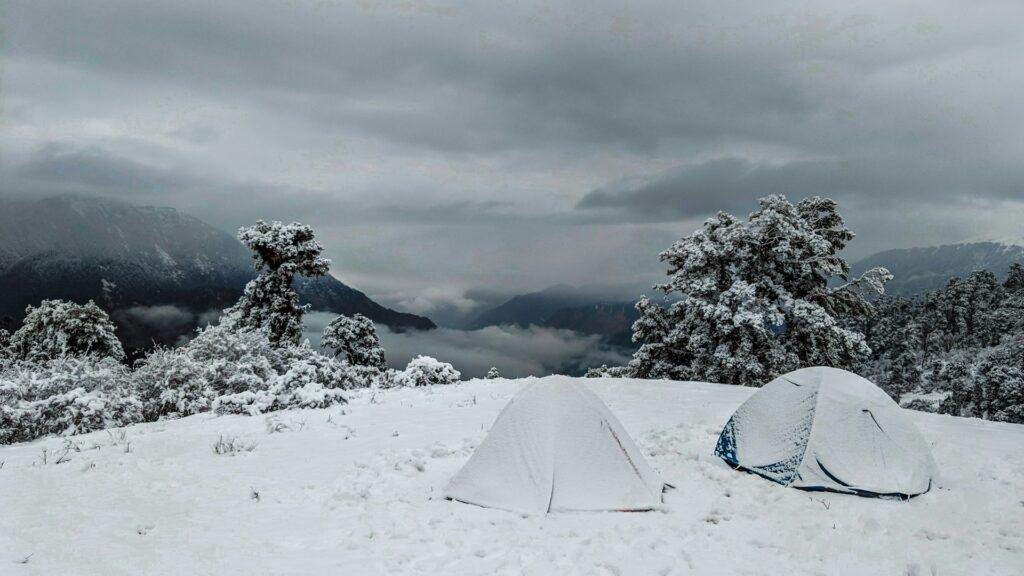
Dome tents handle wind better and keep warm air circulating more evenly. Cabin tents offer more space, but their tall walls catch wind easily and may lose heat faster. Tunnel tents strike a balance: stable, aerodynamic, and warmer inside. If you often camp where nights get chilly, go for dome or low-profile designs that hold heat more effectively.
Rainfly & Coverage Are Essential
A tent with a full-coverage rainfly traps warmth better than a partial one. The more fabric covering the structure, the better it protects you from wind, cold drafts, and moisture. Check how far the fly extends down the sides and whether it creates a good seal against the ground.
Ventilation Prevents Heat Loss Through Moisture
It feels counterintuitive, but proper ventilation actually keeps you warmer. Without airflow, condensation builds up inside the tent, dampens gear, and lowers your insulation value. Always choose a tent with adjustable vents so you can fine-tune airflow depending on conditions.
Use a Footprint or Groundsheet
The cold coming from the ground is often more intense than the air temperature outside. Using a footprint adds a protective layer between your tent and the ground, reducing heat loss and limiting moisture. It also protects your tent floor, which helps long-term durability.
A tent designed with solid weather protection, good ventilation, and proper tent insulation works with your gear to keep you warm all night. This foundation is critical. Everything else you do builds on the shelter you bring.
Master the Ground Insulation Layer
Most of the cold you feel at night doesn’t actually come from the air. It comes from the ground beneath you. Earth naturally pulls heat away from your body, and if you sleep without proper insulation underneath, even the warmest sleeping bag will struggle to keep you comfortable. This is why so many campers wake up shivering despite having “good gear.” The insulating layer below you is just as important as the one above.
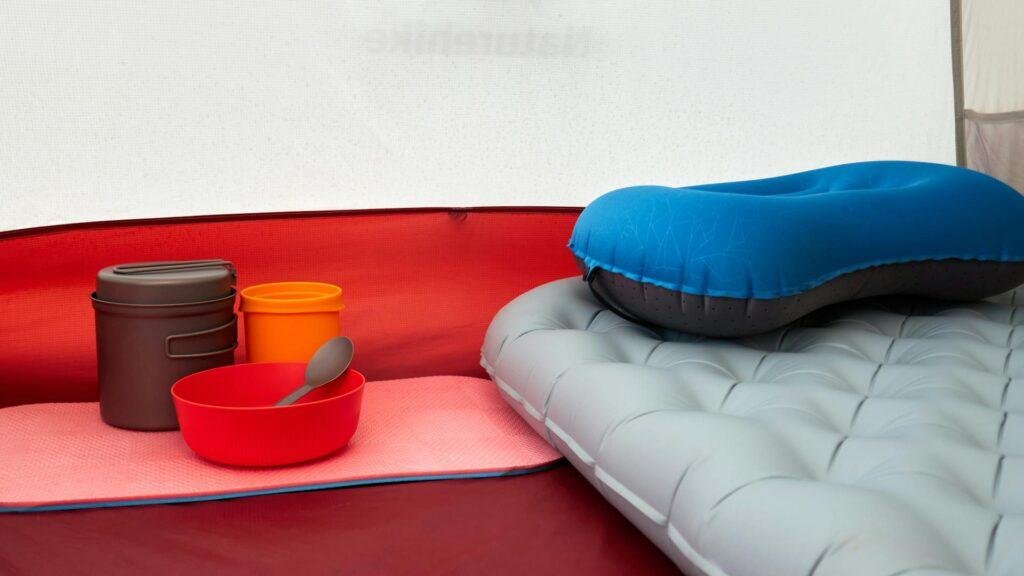
The foundation of how to stay warm camping in a tent with a warm sleep system starts with understanding R-values. This rating measures a sleeping pad’s insulation performance. The higher the number, the better it resists heat loss. For chilly nights, aim for an R-value of 3 or higher, and for cold-weather camping, 4–5+ provides a meaningful difference.
If you’ve never explored these technical details before, my blog page is where I share more foundational camping skills that help make sense of gear choices like this.
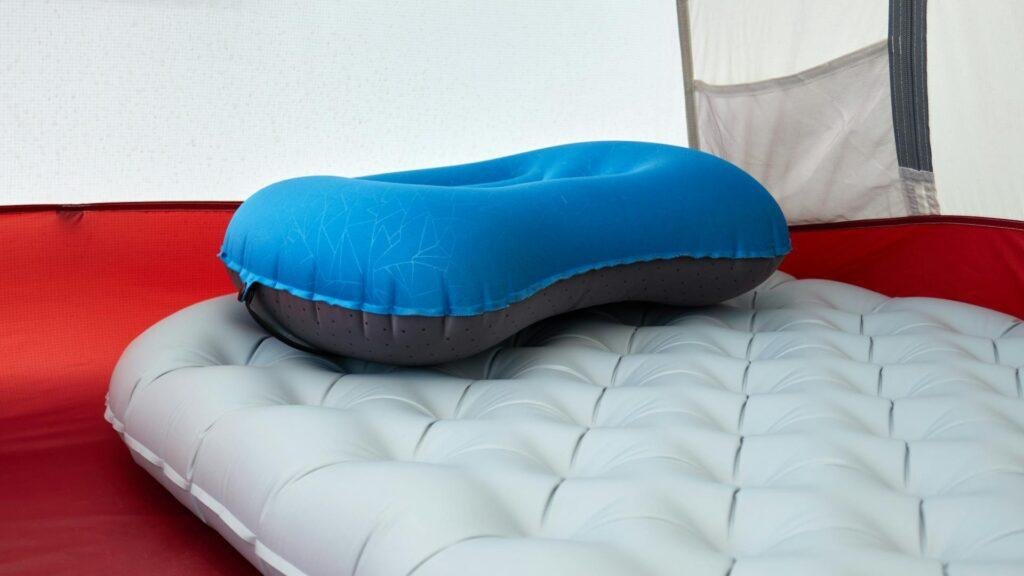
A single inflatable sleeping pad may seem enough, but here’s the catch: trapped air alone doesn’t insulate well. That’s why I often pair a lightweight foam pad beneath an inflatable pad when temperatures dip. The foam pad stops conductive heat loss, while the inflatable adds comfort and extra warmth.
Another overlooked detail is how much space sits beneath you. Any air gaps, even tiny ones, allow cold air to circulate under your body, stealing warmth. Keeping your sleep system close to the tent floor and minimizing air pockets helps maintain a stable temperature through the night.
Finally, don’t forget the role of moisture. If your sleeping pad or groundsheet gets damp, it loses insulating power fast. Always check that your tent’s footprint or ground tarp is dry before setting up your sleeping area, and avoid letting cold, wet gear touch your sleeping bag.
Once your ground insulation is dialed in, every other piece of your sleep setup works better. It’s one of the easiest upgrades you can make and the one that offers the biggest return in nighttime warmth.
Sleeping Bag Warmth & Temperature Ratings
Your sleeping bag is the heart of your nighttime warmth. Even with excellent ground insulation and the right tent, a poorly chosen sleeping bag can make the entire experience uncomfortable. Understanding how to stay warm camping in a tent is understanding how sleeping bag temperature ratings work. It’s something many campers misunderstand.
Manufacturers often list two temperature numbers: Comfort and Limit (also called EN/ISO ratings).
- Comfort Rating is the temperature at which a cold sleeper can remain warm.
- Limit Rating is the lowest temperature at which a warm sleeper can stay comfortable in a curled position.
For realistic, safe expectations, always base your choice on the comfort rating, not the limit.
Another factor is insulation type. Down sleeping bags offer excellent warmth-to-weight ratio and pack down small, but they lose insulating power when wet. Synthetic bags are bulkier and heavier, but they retain warmth even in damp conditions, making them a practical choice for unpredictable weather.
If you’re using a sleeping bag that’s close to its comfort limit, adding a sleeping bag liner can increase warmth significantly, sometimes up to 10–15°F (5–8°C). Liners help keep moisture and oils away from the bag’s insulation, improving long-term performance.
One thing I always tell readers is to choose gear that works with your tent setup. If your shelter is similar to the one I tested in my review of the Coleman Skydome 6 Person Tent, a synthetic bag or a mixed-layer system often works better due to ventilation patterns and interior moisture control. Your tent and sleeping bag should complement each other, not compete.
Finally, never overlook the importance of airflow around your sleeping area. Even in cold weather, the air trapped inside your sleeping bag needs to move efficiently to warm up. Over-layering inside the bag restricts circulation and may actually make you colder.
Choosing a sleeping bag with the right temperature rating and understanding how to use it correctly makes a huge difference in nighttime comfort. With the right setup, even chilly nights can feel cozy and controlled.
Layering Clothes the Right Way
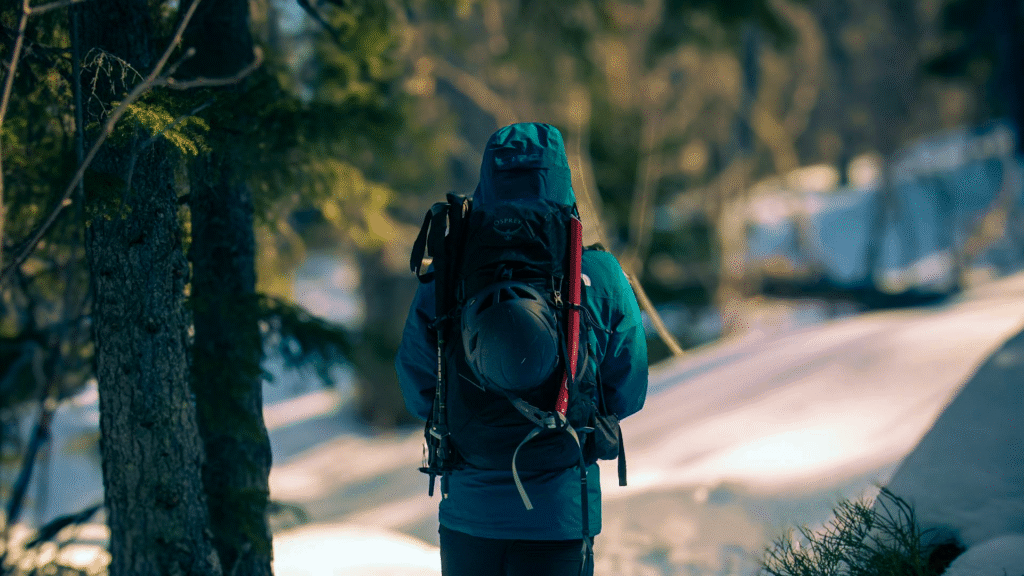
Even with the right tent and a solid sleep system, your clothing can make or break your night. The wrong layers trap moisture, restrict airflow, or cool down too quickly, leaving you shivering despite all your preparation. Mastering your clothing system is one of the simplest and most reliable answers to how to stay warm camping in a tent, and it doesn’t require expensive gear.
If you’re new to outdoor layering and want to explore the basics of shelter, gear, and seasonal camping tips, you can always circle back to the Camped Too Hard homepage, where I keep everything organized by category. For now, let’s break down the layering system that works in real cold-weather conditions.
Base Layers: Your First Line of Defense
Your base layer controls moisture. Sweat cools your skin rapidly, so the job of this layer is to wick moisture away and keep you dry.
- Merino wool is warm, breathable, and naturally odor-resistant.
- Synthetic fabrics dry fast and work great for active campers.
- Avoid cotton; once wet, it stays wet and pulls heat from your body.
A good base layer should feel snug but not tight, allowing your body heat to circulate efficiently.
Mid Layers: Your Insulation
This is where warmth happens. Mid layers trap warm air and keep it close to your body.
- Fleece jackets,
- Light puffy jackets,
- Or synthetic insulated tops, all work incredibly well. The goal is to create a layer that maintains warmth even as your body temperature shifts throughout the night.
Outer Layers: Your Shell Protection
Your outer layer protects you from wind, moisture, and sudden temperature drops.
- Softshell jackets breathe well and block mild wind.
- A lightweight rain jacket adds weather protection without overheating your setup.
- In colder climates, a warm puffy or hybrid jacket is a smart choice even if the forecast doesn’t look extreme.
The shell layer should be easy to remove and adjust as your body warms or cools.
Sleep-Only Clothes
One of the biggest mistakes people make is sleeping in the same clothes they wore during the day. Your daytime layers hold moisture even if you don’t feel sweaty.
Before bed, switch into:
- Dry wool socks
- A dry base layer
- A lightweight mid-layer (if needed)
This one habit alone can make you significantly warmer throughout the night.
Keep Condensation Out of the Tent
When asking how to stay warm camping in a tent, condensation gets a big vote. Condensation is one of the biggest reasons campers feel cold at night, and most people don’t even realize it’s happening. When warm, moist air from your breath and body meets the cooler tent fabric, it turns into droplets. Over time, that moisture dampens your sleeping bag, your clothes, and even the air around you. Once things get wet, staying warm becomes nearly impossible.
You don’t need a high-end winter tent to prevent condensation, but you do need the right techniques. And if you’re curious how different tents handle airflow and moisture control, you can explore my product reviews where I break down real-world ventilation performance for various models.
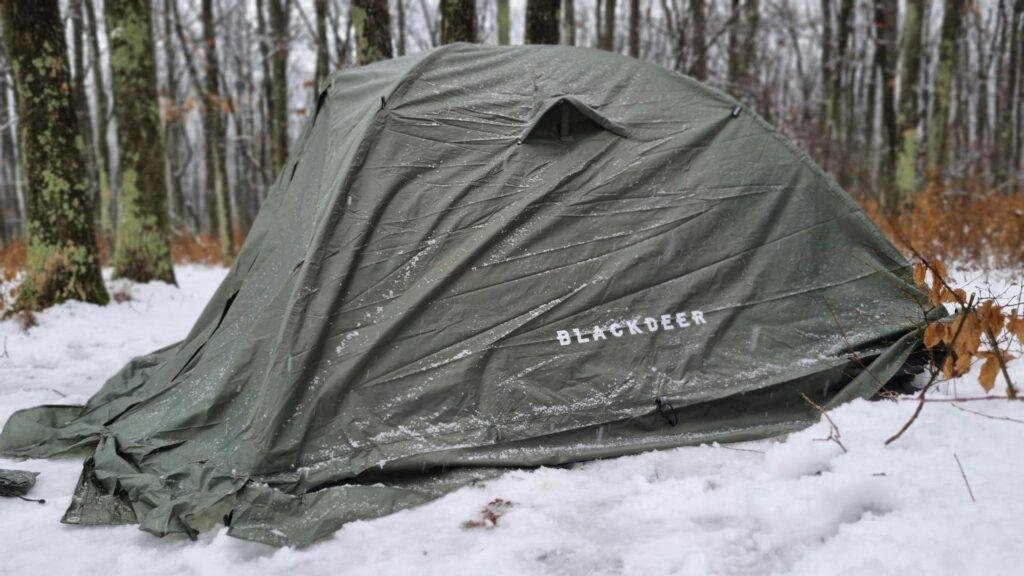
The solution to condensation is surprisingly simple: ventilate your tent, even in cold weather.
It sounds counterintuitive, but a steady flow of fresh air keeps humidity under control without dropping the temperature as much as you might think. Most modern tents come with adjustable vents, mesh windows, and two-way zippers designed specifically for this.
Another major factor is where you place your wet gear. Keeping damp jackets, socks, and boots inside the tent raises humidity quickly. Always leave wet items in the vestibule or hang them outside under the fly if the weather allows.
How you sleep also matters. If your face is fully buried inside your sleeping bag, your breath stays trapped inside the insulation and adds moisture. Keep your mouth and nose outside the bag so condensation escapes.
Finally, avoid cooking inside your tent. Stoves produce large amounts of warm moisture, and even a few minutes of cooking can soak the air inside. That moisture eventually cools and settles on your gear, making everything feel colder.
Keeping condensation under control is one of the easiest ways to stay warm camping in a tent. Get this part right, and your warmth strategy becomes far more effective.
Smart Overnight Heat Tricks That Actually Work
Even with the right layers and a solid sleep system, cold nights can still surprise you. The temperature often dips the most during the early morning hours, and that’s when your body needs a little extra help holding onto warmth. These simple, field-tested techniques make a noticeable difference. You don’t need specialized winter gear to use them. You just need to know how to stay warm camping in a tent.
Use the Hot Water Bottle Trick
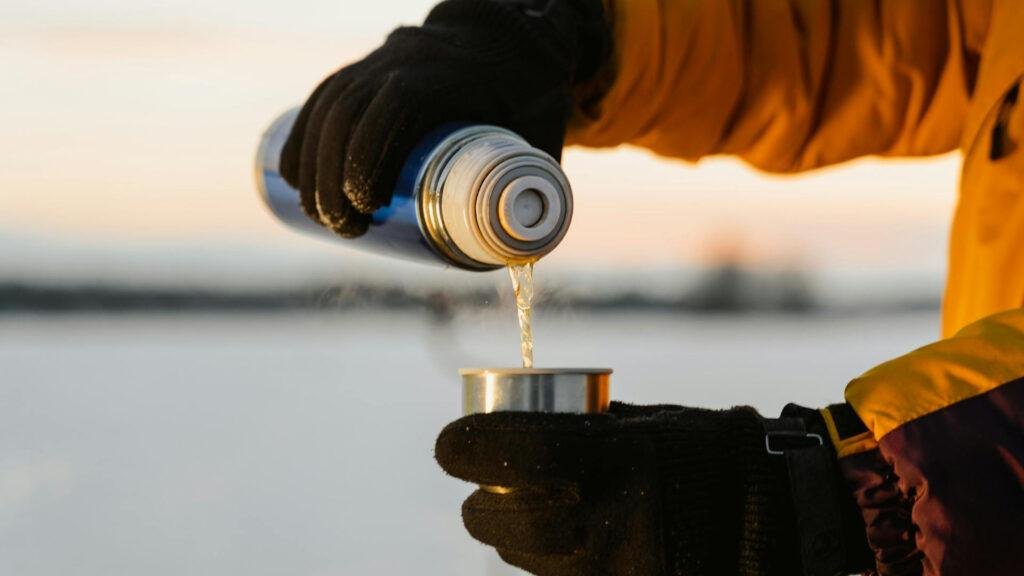
One of the most reliable ways to stay warm is filling a durable water bottle with hot water and placing it inside your sleeping bag. Put it near your core, on your lower abdomen, or between your thighs. These areas help circulate warmth throughout your body more effectively than placing it near your feet.
Warm Up Before Getting Into Your Sleeping Bag
Never go to bed feeling cold. Do a few light movements: short walks, gentle stretching, or even a handful of jumping jacks to raise your core temperature. Once you’re warm, your sleeping bag can trap and maintain that heat.
Eat a Small Snack Before Bed
Your body produces heat as it digests food. A quick, warm-calorie snack like nuts, trail mix, or a small granola bar gives your metabolism a boost before sleep. Staying hydrated also helps your body regulate temperature more effectively.
Wear Dry, Warm Socks Only for Sleeping
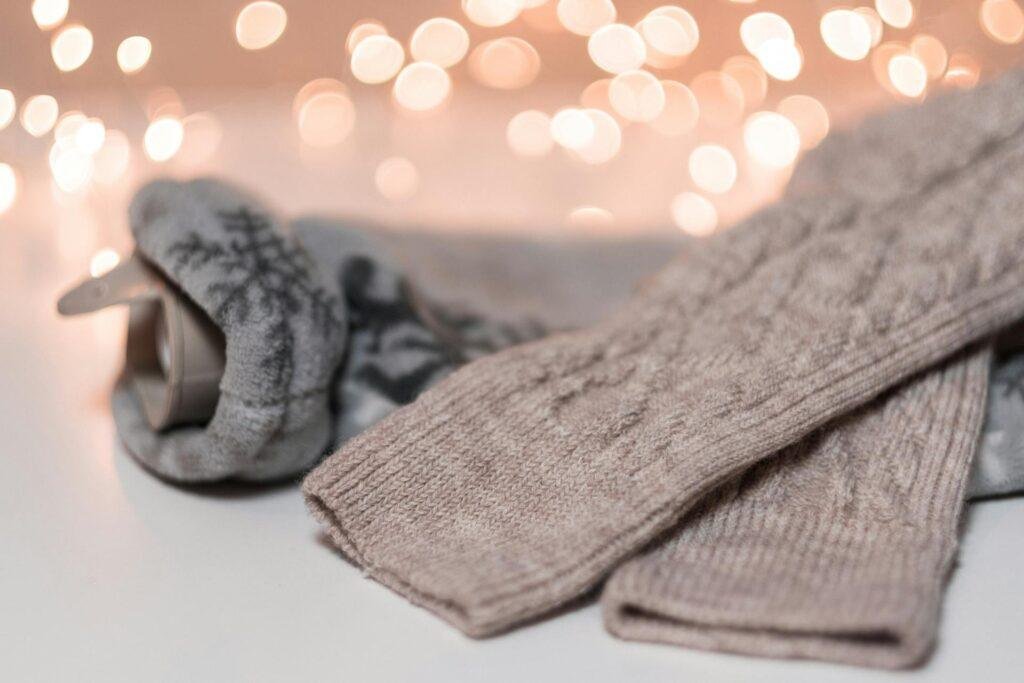
Socks you wear during the day often carry moisture you may not feel. Switch into a dry pair reserved only for sleeping. Wool works best. It stays warm even if the temperature drops unexpectedly.
Use Hand Warmers Inside Your Bag
Chemical warmers can give you steady heat for hours. Slip one near your core or place a small one at the foot of your sleeping bag if your feet get cold easily.
Keep Your Head and Neck Covered
A lightweight beanie or buff helps retain warmth without trapping condensation inside your sleeping bag. Avoid fully burying your face; your breath contains moisture that will cool the bag down over time.
Create a Heat-Efficient Sleep Position
Curling slightly, similar to a fetal position, reduces the surface area of your body exposed to cold air. This conserves heat, especially during the coldest hours before sunrise.
For deeper insight into safe warming techniques and cold-weather safety, you can explore REI’s cold-weather camping basics.
These small adjustments work together to keep you significantly warmer throughout the night, often with gear you already own.
What NOT to Do (Common Mistakes)
Even a well-prepared camper can end up cold if a few easy-to-miss mistakes slip through. How to stay warm camping in a tent isn’t only about what you should do. It’s just as important to avoid the habits that work against your warmth and safety. These are the common pitfalls I see most often, and avoiding them will instantly improve your cold-weather comfort.
Avoid Wearing Cotton at Night
Cotton absorbs moisture and holds onto it, even when you think you’re dry. Once damp, it pulls heat from your skin and makes your entire layering system less effective. Stick to wool or synthetics for everything you sleep in.
Don’t Close All Tent Vents
It feels logical to seal the tent tight, but this traps moisture from your breath and body. Condensation collects on the walls and eventually dampens your gear. The fastest way to lose warmth. Keep at least one vent open to maintain airflow.
Never Sleep Directly on an Air Mattress in the Cold
Air mattresses have almost no insulation, and the air inside them gets cold quickly. This pulls warmth from your body throughout the night. Always pair one with an insulated pad or foam layer.
Don’t Go to Bed Already Cold
If you crawl into your sleeping bag feeling chilled, you’ll struggle to warm up. Warm your core first with light movement or a warm drink.
Avoid Cooking Inside the Tent
Stoves produce moisture and carbon monoxide, a dangerous combination. The warm steam from cooking creates heavy condensation, and the safety risks aren’t worth it. Always cook outside or under a vestibule with proper ventilation.
Don’t Over-Layer Inside Your Sleeping Bag
Too many layers restrict the air your sleeping bag needs to heat up. Instead of piling on clothes, focus on one good base layer and let the bag do its job.
Don’t Bring Wet Gear Inside
Damp jackets, socks, or boots instantly raise humidity inside the tent. Keep all wet gear in the vestibule or away from your sleep system.
Avoiding these mistakes gives you a huge head start in staying warm for cold weather camping. Each of these issues might seem small on its own, but together they add up to a massive comfort difference on cold nights.
Additional Gear That Helps You Stay Warm
While technique and layering go a long way, having the right gear can transform a cold, restless night into a warm and comfortable one. You don’t need to carry a full winter kit for how to stay warm camping in a tent; a few strategic upgrades can make a huge difference, even in mild to moderately cold weather. Here are the pieces of equipment I’ve found most helpful over the years.
Insulated Sleeping Pad
If you’re camping in temperatures below freezing or even on chilly autumn nights, an insulated pad with a high R-value is essential. Look for something rated R-4 or higher for real cold protection. It does far more for warmth than most people expect.
Sleeping Bag Liner
A lightweight liner adds noticeable warmth (often 5–15°F) and keeps your sleeping bag cleaner. Fleece, silk, or synthetic liners all work well depending on your style and comfort level.
Thermal Base Layers
Having a set of dry, sleep-only base layers makes sleeping in the cold far warmer. Merino wool works well because it stays warm even when the temperature drops sharply overnight.
Wool or Insulated Socks
Cold feet make the entire night feel harder. A pair of wool socks dedicated solely for sleeping can make a significant difference. Avoid wearing the pair you used during the day.
Tent-Safe Heaters (Use With Caution)
Portable heaters made specifically to keep tent warm during extremely cold evenings, but they come with strict safety guidelines. If you choose to use one, make sure it’s an indoor-safe catalytic heater and follow ventilation instructions carefully.
Wool Blankets or Quilts
These add a flexible layer of warmth on top of your sleeping bag or can help insulate the floor area beneath your sleep system.
Secondary Footprint or Groundsheet
Adding a second layer beneath your tent limits conductive heat loss and blocks ground moisture: small upgrade, big impact.
Reusable Hand Warmers
Rechargeable or chemical warmers are great for cold feet, hands, and for pre-warming your sleeping bag before crawling in.
These items aren’t mandatory, but adding even one or two of them can dramatically change your comfort level on cold nights. Think of them as small boosts that support the core techniques you’re already using.
How to Stay Warm Camping in a Tent FAQs
Most experienced campers consider temperatures below 30°F (-1°C) to be the point where extra precautions are essential. You can still camp safely in colder conditions, but you’ll need proper insulation, a high-R-value sleeping pad, and a sleeping bag rated well below the expected temperature. For beginners, sticking to above-freezing conditions is a safer and more comfortable starting point.
Heat often escapes through the ground, not the air. If your sleeping pad isn’t insulated or has a low R-value, the cold earth pulls warmth from your body all night. Moisture (condensation, sweat, or damp clothes) also reduces your insulation dramatically. A good bag only works when the whole system around it supports warmth.
For chilly nights, aim for R-3 to R-4. For true cold-weather camping, choose R-5 or higher. R-value directly affects how much heat you lose to the ground, so it’s one of the most important factors in staying warm camping in a tent.
Yes, as long as the clothes are dry, breathable, and not restrictive. A good base layer and warm socks help your bag trap heat more effectively. Avoid wearing too many layers; it can restrict airflow inside the bag and actually make you colder.
Only certain tent-safe catalytic heaters are designed for indoor use. These must be used with proper ventilation and according to the manufacturer’s instructions. Never use open-flame stoves, lanterns, or heaters not rated for tent use; they pose carbon monoxide and fire risks.
Not significantly. Ventilation prevents condensation, which makes everything damp, and damp insulation loses warmth quickly. A slight airflow helps keep the tent dry and actually keeps you warmer long-term.
Choose calorie-dense snacks like nuts, cheese, granola bars, or peanut butter. Your body generates heat as it digests food. Eating a small snack 30-60 minutes before bed gives your metabolism the fuel it needs to warm you through the night.
Switch into dry wool socks dedicated to sleeping only. Avoid using the same socks you wore all day, even if they feel dry, they carry moisture that quickly cools your feet. You can also place a hand warmer near the foot of your sleeping bag.
Wind chill doesn’t directly affect air temperature in the tent, but it does affect your tent’s ability to hold heat. A tent with poor structure or gaps will allow wind to push cold air inside, causing heat loss. A stable, well-pitched tent minimizes this effect.
Yes. Two people generate more radiant heat inside the tent, which raises interior temperatures slightly. Sleeping closer to another person also reduces exposed surface area, a subtle but meaningful warmth boost on cold nights.
Wrapping Up
Cold nights don’t have to be uncomfortable. So, how to stay warm camping in a tent? With the right preparation and a bit of practice. The key is understanding how your body loses heat, choosing the right layers, managing condensation, and building a sleep system that works together instead of against you.
Whether you’re heading out for your first chilly spring overnight or fine-tuning your fall setup, each of the techniques in this guide makes a noticeable difference. And if you’re still exploring how to choose the right shelter or want to compare different tent styles, feel free to browse my camping tents category for more hands-on reviews and guides.
With a few smart habits and the right gear, cold-weather camping becomes far more enjoyable. You’ll wake up warm, rested, and ready to take on the day.
Hope you found something useful in this how to stay warm camping in a tent guide!
Stay safe, stay prepared, and enjoy the quieter side of the outdoors.