
Learning how to plan a camping trip is the first real step toward creating an experience that feels effortless once you’re out there. The woods, the open air, the sound of rain on the tent, all of it becomes more enjoyable when you’ve prepared for what the outdoors asks of you.
For many beginners, planning can feel confusing at first. There are campsites to choose, gear to test, food to pack, and weather to check. The truth is, even experienced campers still plan carefully because every trip brings something new. The key isn’t about doing everything perfectly, but about knowing what really matters once you leave the road behind.
Whether you’re setting up a small tent for the first time or heading out with friends for a long weekend, this how to plan a camping trip guide will help you plan every detail with confidence. You’ll learn how to choose the right location, organize your gear, prepare meals, and avoid the common mistakes that turn good trips into uncomfortable ones.
I’ve spent years testing different tents, setups, and environments, and I’ve learned that the best trips start long before the fire’s lit. So, before you start packing, let’s look at what kind of experience you want to create. That decision will shape every part of your adventure ahead.
Understand Your Camping Goals
Before you start organizing gear or booking a campsite, pause and think about why you’re going. Learning how to plan a camping trip isn’t just about logistics; it’s about shaping an experience that matches what you need most from the outdoors.
Every camping trip starts with intention. Maybe you’re looking for a quiet escape from work, a weekend under the stars with your family, or a long solo journey to reconnect with nature. Each reason changes the way you plan. The person seeking solitude will pack differently than a parent planning activities for kids or a couple chasing the perfect sunrise view.
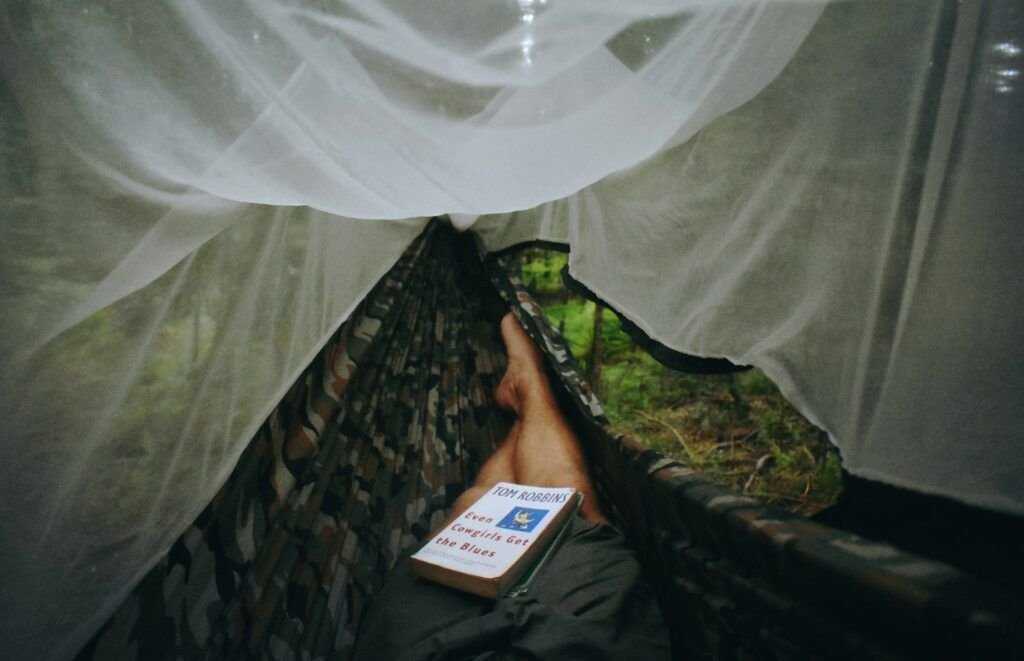
Once you understand your reason for going, the rest falls into place naturally. Your goal influences your location, gear, comfort level, and even how you define success for the trip. A peaceful lakeside camp might sound ideal, but if you crave hiking trails or open desert skies, you’ll end up restless.
If you’re going with friends or family, talk through what everyone expects. Does the group want to cook together over a fire or spend most of the time exploring? Is everyone okay with simple conditions, or do some prefer more comfort? A few minutes of conversation before packing can prevent frustration later.
Ask yourself these questions before you plan any further:
- Who’s going with me, and what’s their experience level?
- What kind of environment feels most like “escape”? Forest, mountain, or coast?
- How long do I want to be away?
- What does a successful trip look like to me?
When you’re clear about your purpose, every decision, from choosing family camping tents to organizing your lightweight gear, becomes easier. You stop overthinking the small things and start planning around what matters most: the experience itself.
Choose Your Camping Style
Once you’ve figured out your goals, the next step in learning how to plan a camping trip is deciding what kind of camping actually fits those goals. There isn’t just one way to camp. The style you choose will shape everything that follows: your gear, your comfort level, your meals, and even your mindset once you’re out there.
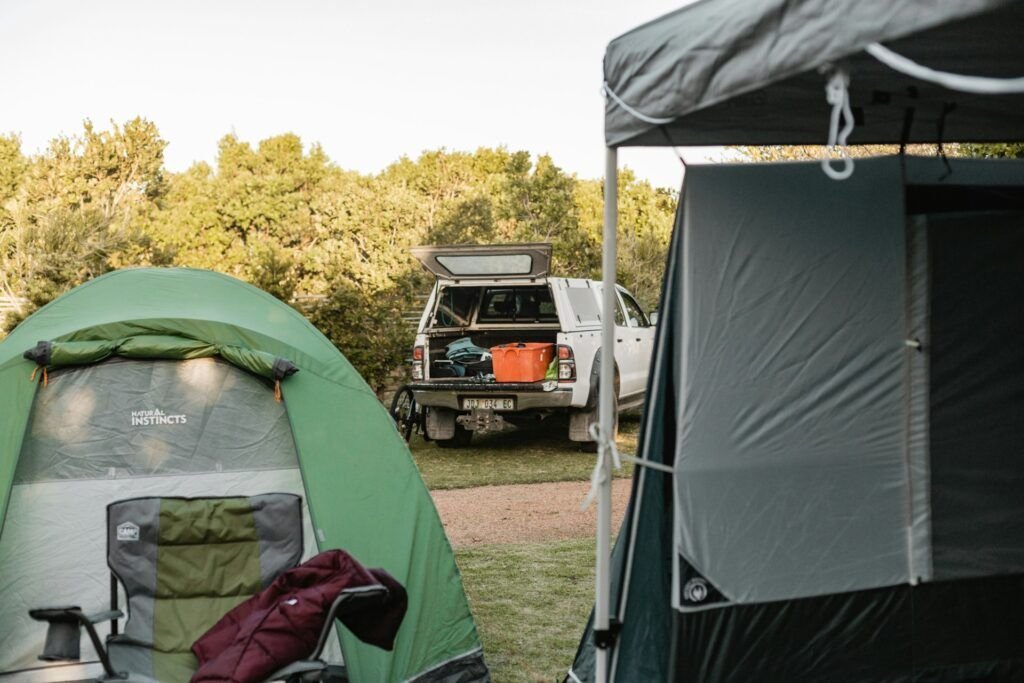
Most campers fall into one of four main styles:
1. Tent Camping
The classic setup: a tent, a sleeping bag, and the sounds of nature surrounding you. It’s simple, affordable, and perfect for beginners. Tent camping teaches you how to adapt and appreciate small comforts, like a good sleeping pad or a dry pair of socks.
2. Car Camping
Great for families or anyone who wants convenience without giving up the outdoors. You camp beside your vehicle, making it easier to bring family camping tents, coolers, and extra gear. It’s relaxed and ideal for weekend trips or campsites with easy access.
3. Backpacking
For those who crave adventure and solitude. You carry everything on your back: tent, food, water, and hike to your campsite. It requires lightweight gear and some planning, but rewards you with untouched scenery and peace.
4. Glamping
Short for “glamorous camping,” it blends nature with comfort. Think furnished tents, cozy beds, or cabins with electricity. It’s not about survival, it’s about relaxing outdoors without sacrificing comfort.
Each of these camping styles offers something different. Each of them is your answer to how to plan a camping trip. Your decision doesn’t have to be final. You might start with car camping and work your way toward backpacking later. What matters is choosing the version that keeps you excited to go again, not exhausted from trying too much at once.
Pick The Right Campsite
Choosing where to camp is one of the most important parts of how to plan a camping trip. The right campsite can turn an ordinary weekend into a quiet, unforgettable escape, while the wrong one can make even the best gear feel useless.
Start by thinking about the setting that matches your goal. Do you want the quiet of a forest, the open view of a mountain ridge, or the easy access of a lakeside campground? Every landscape brings something different: shade, wind exposure, temperature, and scenery.
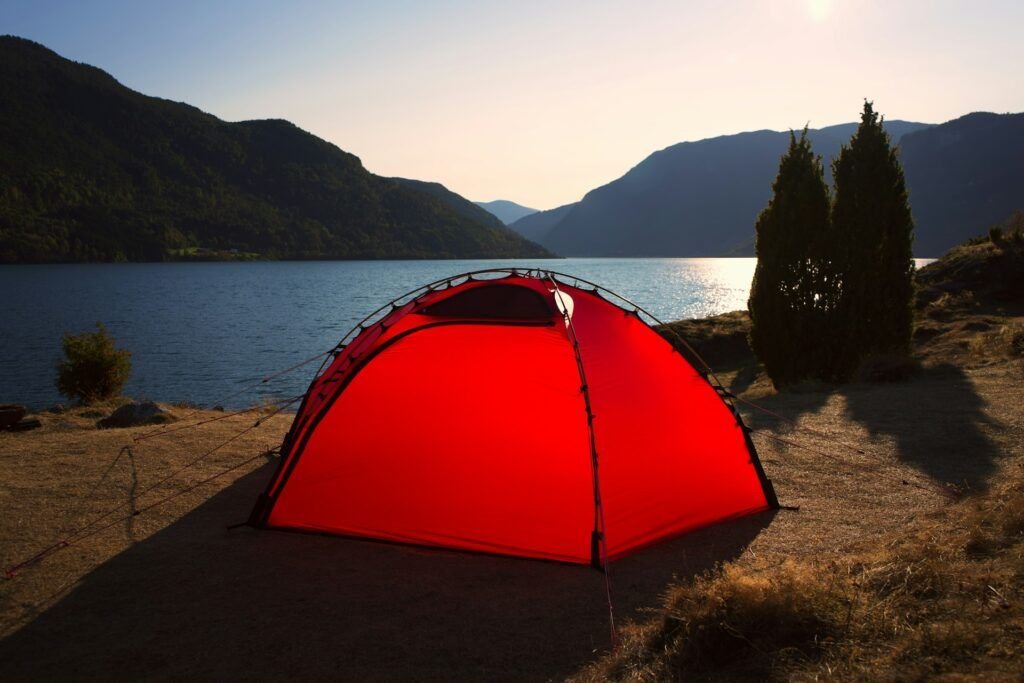
For beginners, designated campgrounds are the easiest place to start. They usually include flat ground, toilets, water access, and parking. Some even offer showers or fire pits. State parks and national parks tend to have reliable facilities and clear rules, making them ideal for your first few trips. You can explore options through the official Recreation.gov website. It’s one of the best places to find and reserve campgrounds in the U.S.
If you prefer more freedom, look into dispersed camping on public land. This means camping outside established sites, usually for free, though it requires more preparation and responsibility. Always check the rules for the area. Some limit how long you can stay or where fires are allowed.
When comparing sites, think about these factors:
- Accessibility: How far is it from home or the nearest road?
- Weather: Check seasonal conditions, especially in mountain or desert areas.
- Water Source: Is clean water nearby, or will you need to bring your own?
- Safety: Avoid areas prone to flooding or strong winds.
A good campsite doesn’t just look nice, it feels right. The ground is level, the environment matches your comfort level, and you can imagine yourself there without distractions. Once you find that balance, you’re well on your way to building the kind of trip you’ll want to repeat.
Plan Your Itinerary
Once you’ve chosen your campsite, the next step in learning how to plan a camping trip is organizing your time there. A good itinerary doesn’t have to be strict. It simply gives your trip a rhythm that keeps things smooth, flexible, and enjoyable.
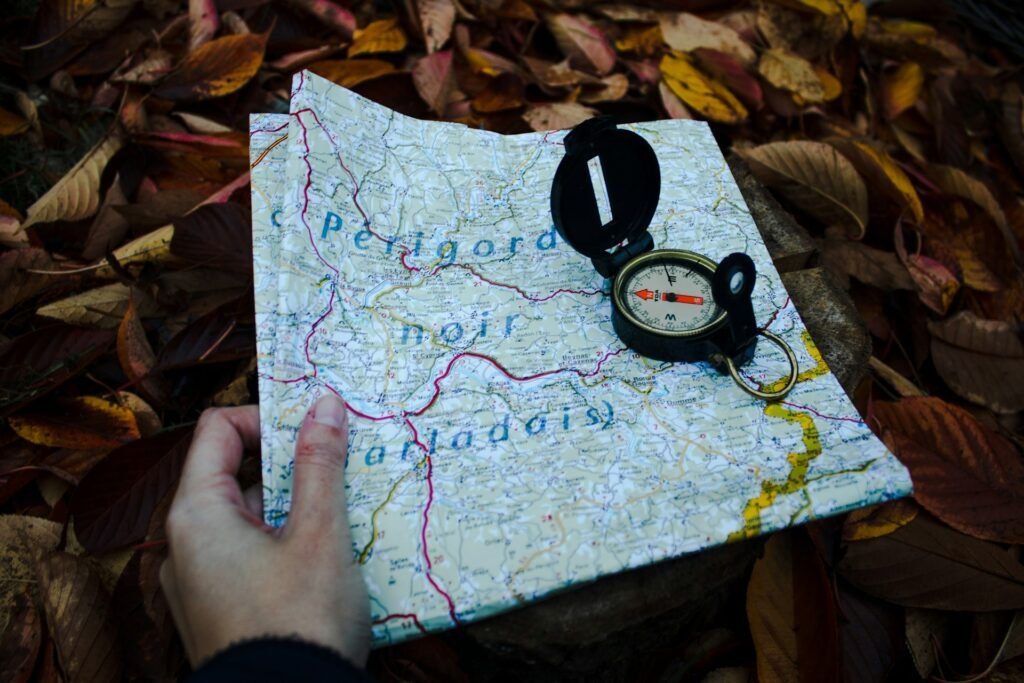
Start by deciding how long you want to stay. A single night is great for beginners who want to test their gear and comfort level. Two to three nights are ideal for a full experience, enough time to settle in, relax, and still enjoy a slow morning before heading home. If you’re going for longer, plan at least one rest day with minimal activities.
If you’re wondering how to plan a camping trip, think about what you want each day to look like. You might wake up early for a short hike, relax through the afternoon, and end the day by the fire. Planning a loose schedule helps you pack smarter too. If you know you’ll be hiking most of the day, you’ll need light meals and extra water; if you’re staying near camp, you can plan for cooking or fishing instead.
Here’s a simple structure to follow:
- Day 1: Arrival, tent setup, light dinner, campfire evening.
- Day 2: Early hike, lunch at camp, explore nearby spots, evening rest.
- Day 3: Slow morning, breakfast, pack-up, leave no trace.
Don’t plan every hour. Camping should never feel rushed. The best moments often happen between your plans: sitting quietly, noticing small sounds, or watching light fade through the trees. A flexible itinerary gives space for those moments to happen naturally.
Build A Smart Camping Checklist
No matter how experienced you are, every successful trip starts with a checklist. When you’re learning how to plan a camping trip, having one helps you stay organized and avoid last-minute stress. A well-built checklist keeps you from overpacking and ensures you don’t forget the things that make camping comfortable, safe, and enjoyable.
Your checklist should change depending on the season, group size, and style of camping. A solo backpacker’s list will look very different from a family camping weekend. Still, the essentials never change: shelter, sleep, food, safety, and comfort.
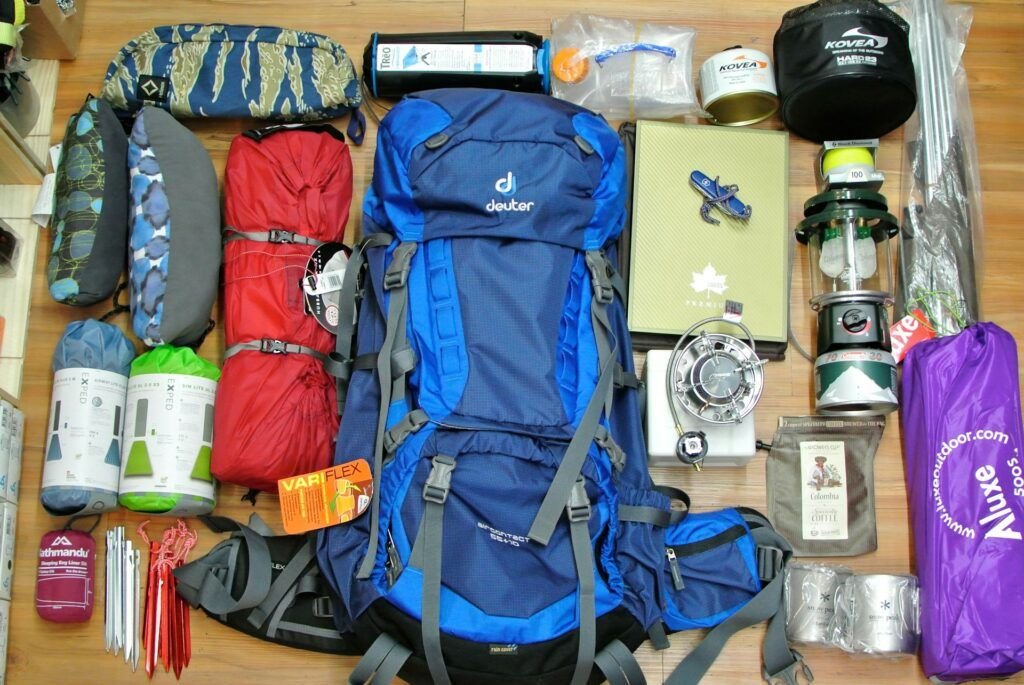
Here’s a breakdown of what every good camping checklist should include:
Shelter & Sleeping Essentials
- Tent, stakes, and groundsheet
- Sleeping bag rated for the season
- Sleeping pad or air mattress
- Pillow or small camping cushion
Once you have your dates set, you need reliable shelter. We tested the top models for this year in our complete guide to the best camping tents to help you choose between a cabin or a dome.
Cooking & Food Supplies
- Portable stove or grill
- Fuel and lighter or matches
- Pots, pans, utensils, and plates
- Cooler or dry food container
- Biodegradable soap and sponge
Clothing & Footwear
- Moisture-wicking base layers
- Insulating mid-layer (fleece or down)
- Waterproof jacket and pants
- Comfortable hiking boots or sandals
- Hat, gloves, and extra socks
Personal & Safety Gear
- First-aid kit
- Headlamp or flashlight with spare batteries
- Sunscreen and insect repellent
- Pocket knife or multitool
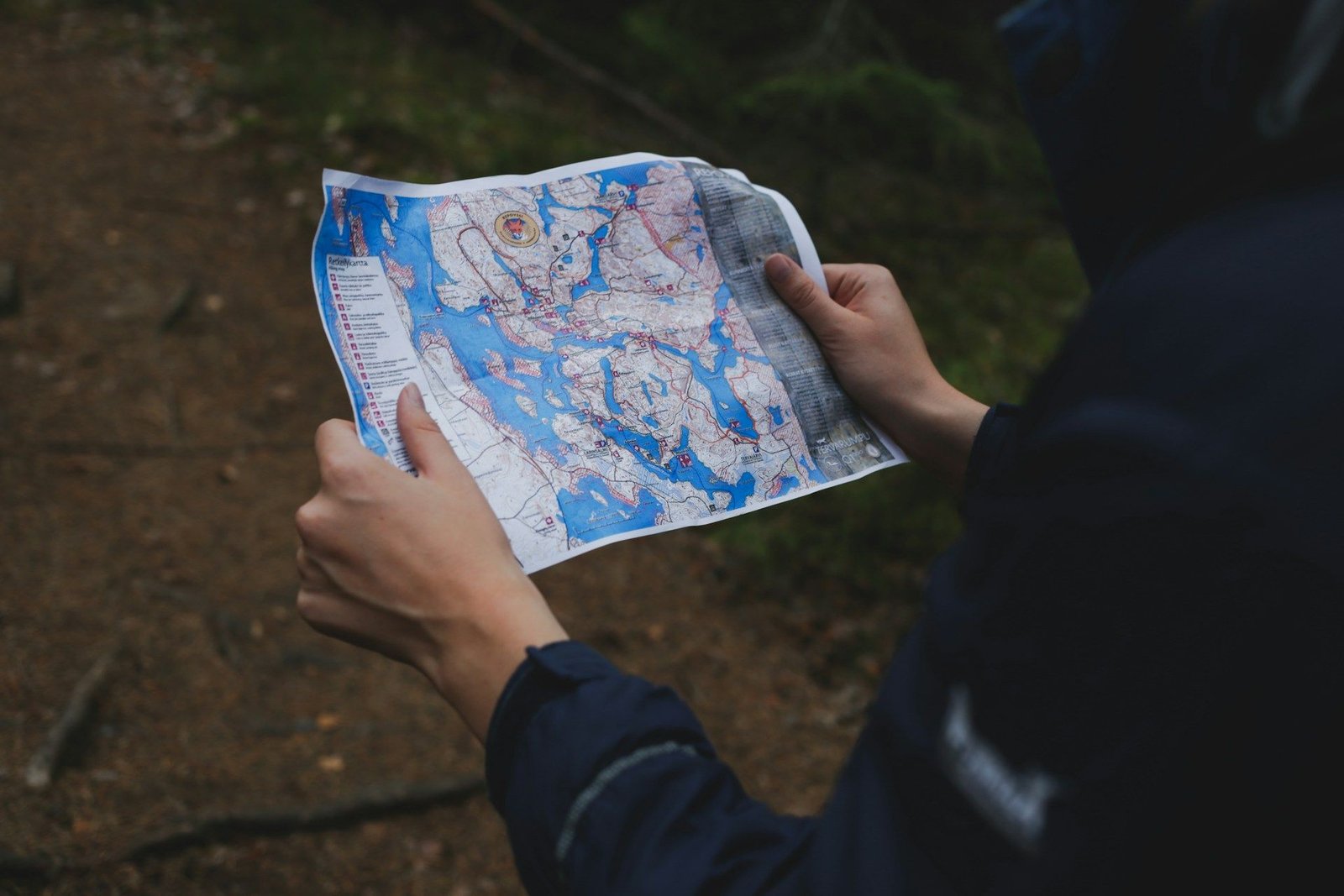
- Map and compass or GPS
Comfort & Extras
- Camping chair
- Portable table
- Tarp or canopy
- Trash bags
- Camera or journal
Once your checklist is ready, pack in zones: sleep gear together, cooking gear together, and personal items in easy reach. It makes setup smoother and teardown faster.
Before leaving, review your list once more. Cross-check the items you actually packed. The more you refine it, the better it becomes for your next adventure. I still update mine after almost every trip. Each campsite teaches something new.
Check And Prepare Your Gear
The next step in learning how to plan a camping trip is to make sure your gear actually works before you leave home. A tent with a missing pole or a stove that won’t light can turn a great weekend into a frustrating one. Testing your equipment early saves time, energy, and a lot of stress once you’re in the woods.
Start by setting up your tent at least once in your yard or living room. Check every pole, stake, and zipper. Make sure your rainfly fits correctly and that the seams don’t leak. If your tent is new, spend a few minutes getting familiar with how it folds and packs. This alone can make setup at camp much faster. If you’re looking into camping tents for beginners, check out the Coleman Skydome 6 person tent.
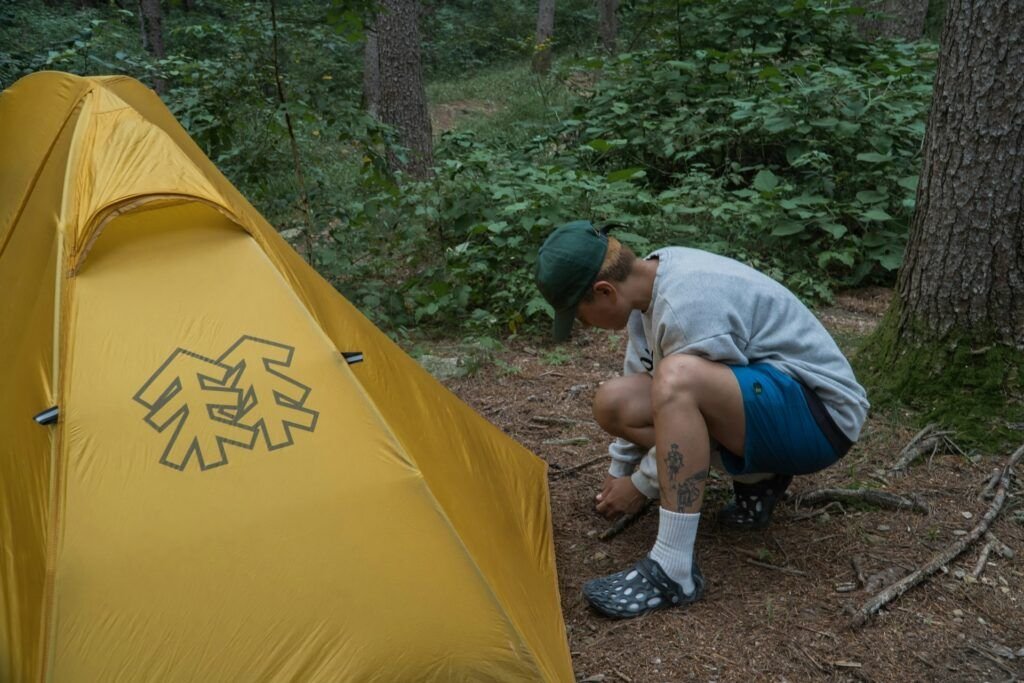
Next, go through your sleeping setup. Inflate your air pad, unroll your sleeping bag, and check for tears or cold spots. If it’s been stored for months, give it time to air out before repacking.
Cooking gear deserves the same attention. Test your stove or grill, check fuel levels, and make sure your lighter or matches work. Wipe down cookware and confirm that your utensils, bowls, and cleaning supplies are complete.
Lighting is another often-overlooked detail. Test your headlamp and lantern batteries, or charge any rechargeable lights the night before your trip.
Before packing everything, think about organization. Group similar items together: shelter gear, cooking supplies, safety equipment. Use dry bags or clear bins so you can find what you need quickly once you arrive. Read what to pack when camping article if you want a detailed guide.
A little preparation goes a long way. The best gear isn’t the most expensive, it’s the gear you’ve tested, trusted, and know how to use when the light starts to fade.
Plan Food, Water, And Cooking Setup
If there’s one thing that can make or break a camping trip, it’s how well you plan your food and water. When you’re learning how to plan a camping trip, this part often gets overlooked. Yet it has the biggest effect on your comfort and energy once you’re outdoors.
Start with your meals. Think simple, not fancy. Camping food should be easy to cook, lightweight to carry, and satisfying after a long day. Build your plan around the number of days you’ll be gone, the people you’re feeding, and the type of camping you’re doing.
Car camping: You can bring a cooler and prepare full meals: eggs, vegetables, and even pre-marinated meats.
Backpacking: Stick to dry, compact, and high-energy food like instant oats, rice packets, and dehydrated meals.
Family trips: Bring a mix of easy options: sandwiches for lunch, pasta for dinner, and granola bars for snacks.
Here’s a quick example of what a two-day food plan might look like:
| Day | Breakfast | Lunch | Dinner | Snacks |
| 1 | Oatmeal + fruit | Sandwiches | Grilled chicken + rice | Trail mix, nuts |
| 2 | Pancakes + coffee | Wraps | Pasta with sauce | Energy bars, chocolate |
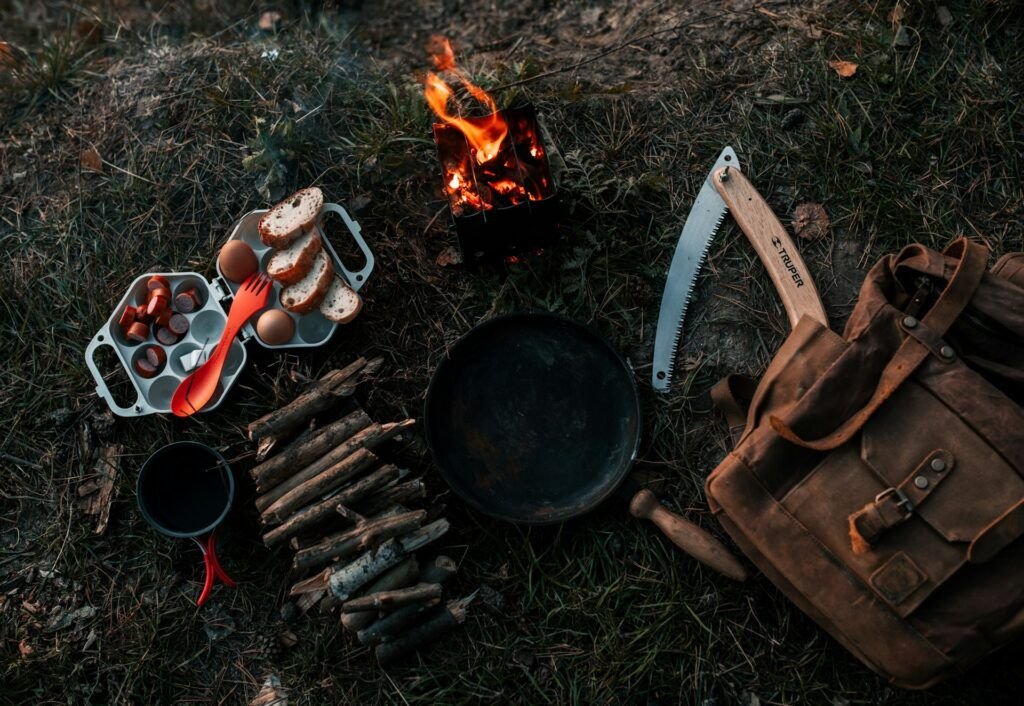
Now, let’s talk about water. The average person needs at least 3–4 liters per day, more in hot weather or during heavy activity. If your campsite doesn’t have a reliable water source, pack enough for your stay. Otherwise, bring a filter or purification tablets.
Finally, prepare your cooking setup. Make sure your stove or grill works, fuel is full, and you have matches or a lighter stored safely. Pack cookware, cleaning supplies, and storage containers for leftovers. Keep food sealed; it helps with freshness and keeps wildlife away.
Good meals can turn a basic trip into a memorable one. When food and water are taken care of, you stop worrying about what’s missing and start focusing on why you came to enjoy being outdoors, fully present, and well-fed.
Understand Camping Safety & Rules
The outdoors is unpredictable! That’s part of what makes it exciting. But when you’re learning how to plan a camping trip, safety should always come before adventure. A few smart habits and a bit of awareness can prevent the kind of problems that ruin good trips.
Start with the weather. Always check the forecast before leaving and again once you arrive. Mountain and coastal weather can change fast. Pack layers, waterproof gear, and know how to secure your tent in strong wind or heavy rain.
Campfire safety is another must. Build fires only in designated rings or pits. Keep water or sand nearby to extinguish flames completely before sleeping or leaving camp. Never leave a fire unattended. Even a small breeze can turn embers into trouble.
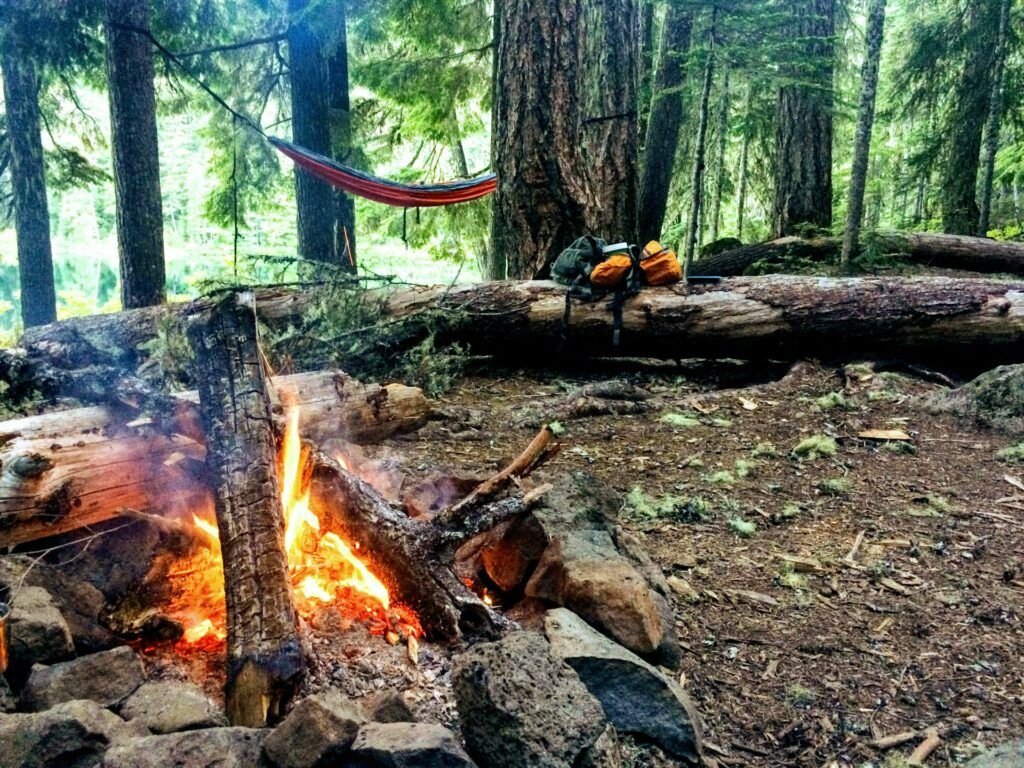
Wildlife is part of the experience, but it requires respect. Store food in sealed containers and keep it away from your tent. Avoid feeding animals, and know what species live in the area. If bears or raccoons are common, use bear-proof lockers or hang food in a tree.
Pack a small first-aid kit with essentials: bandages, antiseptic wipes, pain relievers, and any personal medications. Knowing how to treat blisters, cuts, or insect bites is simple but important.
Finally, learn and follow Leave No Trace principles. They’re simple: respect the land, pack out what you bring in, and leave your campsite cleaner than you found it. It’s the best way to keep wild spaces beautiful for the next person who visits.
Safety doesn’t take away from the fun. It makes the experience possible. When you plan ahead and camp responsibly, the outdoors gives back a lot more than it takes.
Create A Pre-Trip Routine
Even after you’ve packed everything, reviewed your checklist, and chosen your campsite, there’s still one final step in how to plan a camping trip that many people skip. The pre-trip routine. This last round of preparation ties everything together and helps you leave home feeling ready instead of rushed.
Start by checking the weather again a day before you go. Conditions can change quickly, especially in mountain or coastal areas. Adjust clothing and gear if needed, pack an extra tarp, swap in lighter layers, or bring waterproof bags if rain looks likely.
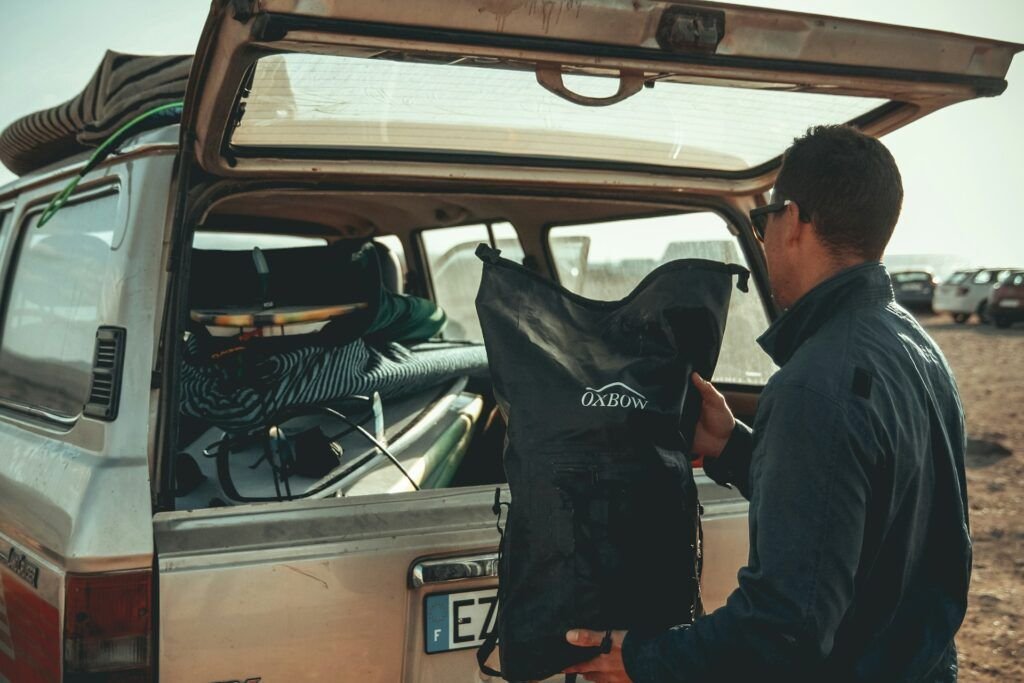
Next, review your packing zones. Keep sleeping gear, cooking gear, and safety items separated so you don’t waste time digging through bags when you arrive. Load heavier items toward the bottom of your vehicle or pack to keep balance.
If you’re camping far from cell coverage, download offline maps, print your directions, and let someone know where you’ll be and when you plan to return. A simple text or note can make a big difference in emergencies.
The night before you leave, double-check a few essentials:
- Fully charge phones, power banks, and camera batteries
- Refill water bottles and fuel canisters
- Prepare easy-access food for the road
- Confirm campground reservation or permit details
Think of this as the calm before your trip begins. It’s a small ritual that helps you slow down and mentally switch from daily life to outdoor life. When everything’s checked, you can focus on what you’re really there for: the quiet, the fresh air, and the chance to unplug completely.
Stay Flexible And Enjoy The Trip
Once you’ve done all the work of learning how to plan a camping trip, it’s easy to forget the real point of it all: to be outside, disconnected from noise, and connected to what’s right in front of you.
Even the best plans can shift. Maybe the weather turns, the trail you wanted to hike is closed, or your gear doesn’t work exactly the way you expected. That’s okay. Camping has a way of reminding you that things don’t always need to go perfectly to be worthwhile.
Start each morning with no rush. Make coffee slowly, listen to the sounds around you, and let your plans for the day unfold naturally. The schedule you built is a guide, not a rulebook. Some of the best memories come from quiet detours: spotting wildlife, taking an unplanned swim, or sitting under a tree for an hour doing nothing.
Stay mindful of your surroundings. Notice the temperature shift after sunset, the smell of pine after rain, and how different food tastes when you’ve cooked it yourself. These are the small things that make camping feel alive.
If you’re traveling with others, give space for everyone to experience the trip in their own way. Shared silence can be just as meaningful as conversation around the fire.
Camping isn’t about perfection. It’s about being present. Let nature set the pace, and let the experience unfold the way it’s meant to.
FAQ
Start simple. Choose a nearby location, ideally a maintained campground with basic facilities like water, toilets, and marked sites. Once you’ve picked your destination, make a checklist of essentials: shelter, sleeping gear, food, clothing, and a first-aid kit. If you’re new to camping, it helps to set up your tent at home once to learn how it works before heading out. That little bit of practice makes the first setup much easier.
If you’re staying at a public campground or park, start planning at least two to three weeks in advance. Longer during summer or holiday weekends when sites book fast. Early planning gives you time to check weather conditions, reserve a good spot, and test your gear. If you’re dispersed camping or going somewhere remote, extra time helps you understand local rules, road conditions, and any permit requirements.
Even experienced campers sometimes forget the small things. Always double-check for your tent, sleeping bag, stove, matches or lighter, light source, and first-aid kit. Don’t overlook extra socks, batteries, or a rain jacket. These are the items that save your trip when conditions change. A printed or digital checklist helps make sure nothing’s left behind, especially on longer outings.
The best campsite matches your comfort level and trip goals. For beginners, look for designated areas with water and toilet access. For more freedom, try dispersed camping in national forests. Just follow local guidelines and pack out what you bring in. Avoid low-lying areas that may flood, and aim for flat ground with good shade. If you’re camping with family, pick spots close to amenities or trails that fit your group’s experience level.
Keep meals simple, balanced, and easy to prepare. Bring foods that don’t spoil quickly, like oats, pasta, rice, canned beans, and trail mix. For car camping, a cooler lets you enjoy fresh ingredients: eggs, vegetables, and marinated meats. Plan each day’s meals in advance and bring a few extra snacks for flexibility. If you’re backpacking, focus on lightweight dehydrated foods that cook fast and pack small.
Bring at least 3–4 liters per person per day, plus more for cooking and cleaning. If your campsite has a water source, confirm whether it’s potable. If not, bring a filter or purification tablets. Always store water in reusable bottles or jugs away from direct sunlight. In hot or dry conditions, plan for extra. Dehydration is one of the most common mistakes new campers make.
Good safety starts with preparation. Check the weather forecast, tell someone your location, and bring basic first-aid supplies. Keep your campsite clean and store food securely to avoid attracting wildlife. Build campfires only in approved areas, and never leave them unattended. Before dark, keep essentials like flashlights and a map within easy reach. And above all, follow the Leave No Trace principles to protect both yourself and the environment.
Cold-weather camping demands careful preparation. Bring a four-season tent, an insulated sleeping bag, and thermal layers that you can adjust easily throughout the day. Avoid cotton, it stays damp and can chill you quickly. A foam pad or insulated mat under your sleeping bag adds warmth from the ground. Keep hands, feet, and head covered, and have a way to heat water or food to help maintain body temperature.
Family camping works best when you keep things simple. Choose easy-access sites with amenities like bathrooms, picnic tables, and clear trails. Bring a family camping tent with extra space, and pack familiar snacks or games for downtime. Involve kids in tasks like setting up the tent or collecting firewood. It keeps them engaged and builds excitement. Remember, comfort and small routines go a long way toward keeping everyone happy outdoors.
You don’t need expensive gear to have a great time camping. Borrow or rent items from friends, or check local outdoor co-ops for affordable rentals. Focus your budget on what matters most: a reliable tent, sleeping bag, and weatherproof clothing. Choose free or low-cost public lands for camping, cook your own meals, and reuse gear between trips. Over time, you’ll learn what’s truly worth investing in and what you can simplify.
Wrapping Up
Learning how to plan a camping trip is less about following strict steps and more about finding your rhythm in the outdoors. Once you’ve packed the essentials, picked your campsite, and prepared for the weather, the rest unfolds naturally.
Every trip will teach you something new. What gear works best, how to adapt to changes, and how good it feels to disconnect from noise for a while. Whether you’re camping solo, with friends, or setting up a family camping tent, the goal is the same: to feel closer to nature and more at ease in your surroundings.
I hope I’ve answered many questions regarding how to plan a camping trip. This should be enough for you to get comfortable on your next camping trip.
If you’re still figuring out what tent fits your next adventure, explore our reviews for detailed breakdowns and real-world insights, or check out our latest blog posts for more camping guides. And when you’re ready to dive deeper into gear and setup, start here.