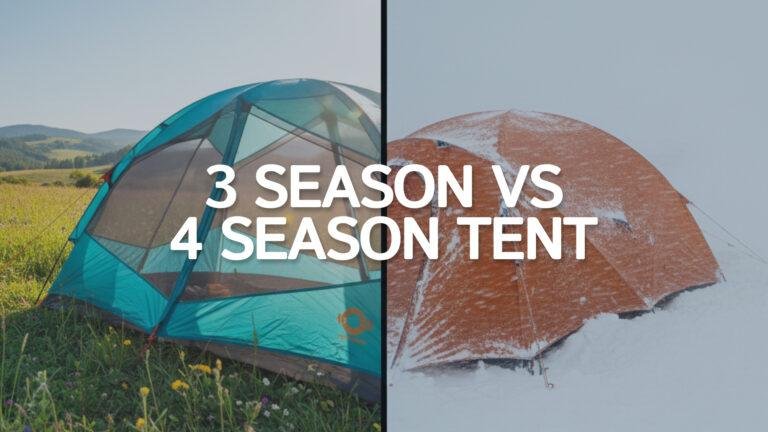

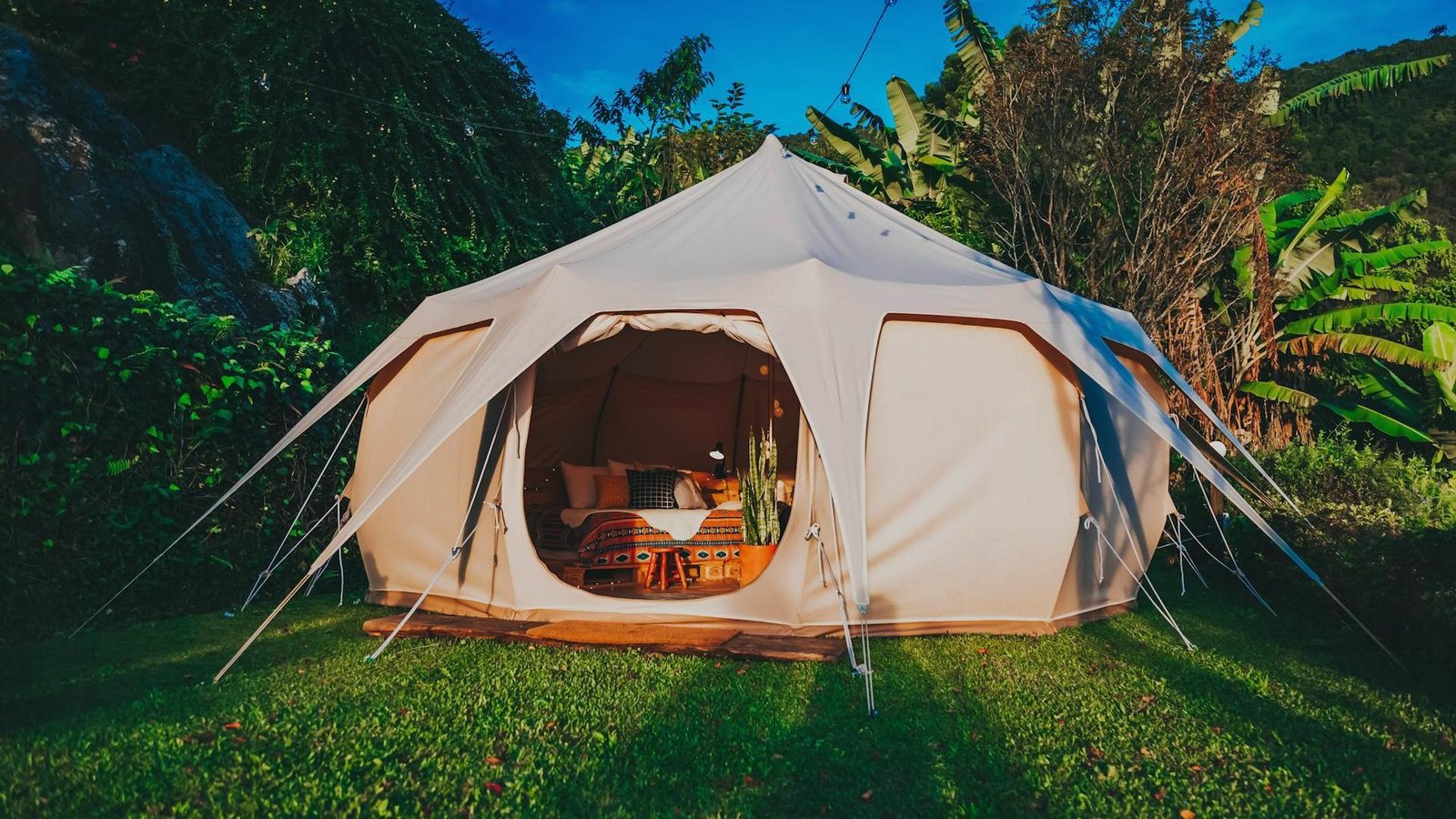
Interested in learning how to make tent camping more comfortable? Making tent camping more comfortable is about small choices that quietly improve the way your trip feels. A softer sleeping surface, better airflow, smarter packing, choosing the right tent, even the way you set up your space, each one adds a layer of comfort that you’ll notice the moment you settle in for the night.
Over the years, I’ve learned that comfort outdoors comes from preparation, not complicated gear. In this guide, I’ll show you practical, real-world adjustments you can make before and during your trip that will transform the way your tent feels: warmer, quieter, more organized, and simply easier to relax in.
Whether you’re new to camping or looking to improve your next overnight, these proven hacks will help you build a setup that supports better sleep, easier evenings, and a more enjoyable rhythm at camp.
So, here’s how to make tent camping more comfortable:
Choose the Right Tent for Comfort
Camping comfort often begins before you ever unpack your sleeping bag. The tent you bring shapes almost everything about your experience. How easily you move around, how well you sleep, how warm or cool you stay, and even how calm you feel when the weather shifts.
Choosing the right structure (or adjusting the one you already have) is one of the simplest ways when the question is how to make tent camping more comfortable.
Comfort starts with having enough room to stand up. We ranked the most spacious vertical-wall cabins in our guide to the best camping tents.
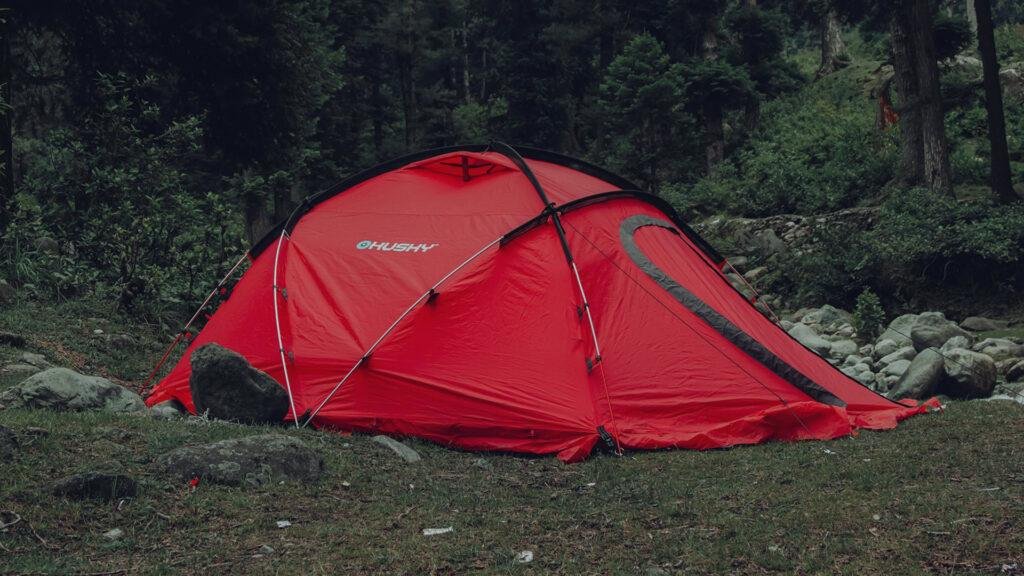
A tent with tall cabin-style walls and a generous peak height instantly feels more relaxed to be in. Being able to sit upright, stretch, or stand while organizing gear makes the inside feel more like a small room and less like a cramped shelter.
For couples or families, that extra space helps everyone settle in without bumping into each other or stacking gear in corners.
Ventilation is another comfort factor many campers overlook. Mesh ceilings, adjustable windows, and ground vents move air through the tent and prevent that heavy, humid feeling that builds up overnight. Good airflow also reduces condensation, a small detail that makes hours of difference on cool mornings.
If your current tent feels muggy or damp, simple adjustments like opening vents earlier or positioning your tent to catch a breeze can make a major improvement.
Weather protection also affects comfort. Even mild rain or wind can feel stressful if a tent doesn’t manage moisture well. A rainfly with proper coverage, taped seams, and a sturdy pole structure helps your tent feel secure, allowing you to relax instead of worrying about leaks.
If you want examples of tents that balance space, durability, and weather performance well, you can browse the Camping Tents category.
And if you’re curious….
How comfort-focused tents perform in real conditions, my review of the Coleman Skydome 6 Person Tent breaks down interior space, ventilation, and setup ease in great detail.
How larger groups or families make extra interior room, you might appreciate the instant setup and spacious layout of the Core 9 Person Instant Cabin Tent, which I reviewed recently.
Small choices add up: the tent’s shape, its footprint, ventilation, materials, and overall layout all contribute to how comfortable you’ll feel once you settle in for the night.
Starting here gives you a foundation that the rest of your setup can build on.
Invest in a Better Sleeping System
A comfortable night outdoors almost always comes down to what you sleep on and what you sleep in. Even the best tent can feel rough if your sleeping system isn’t supporting your body well.
The goals are to build a setup that keeps you warm, cushioned, and relaxed, and to improve tent camping experience. Something that feels closer to your bed at home than a thin mat on uneven ground.
Here’s how to make tent camping more comfortable by investing in a better sleeping system:
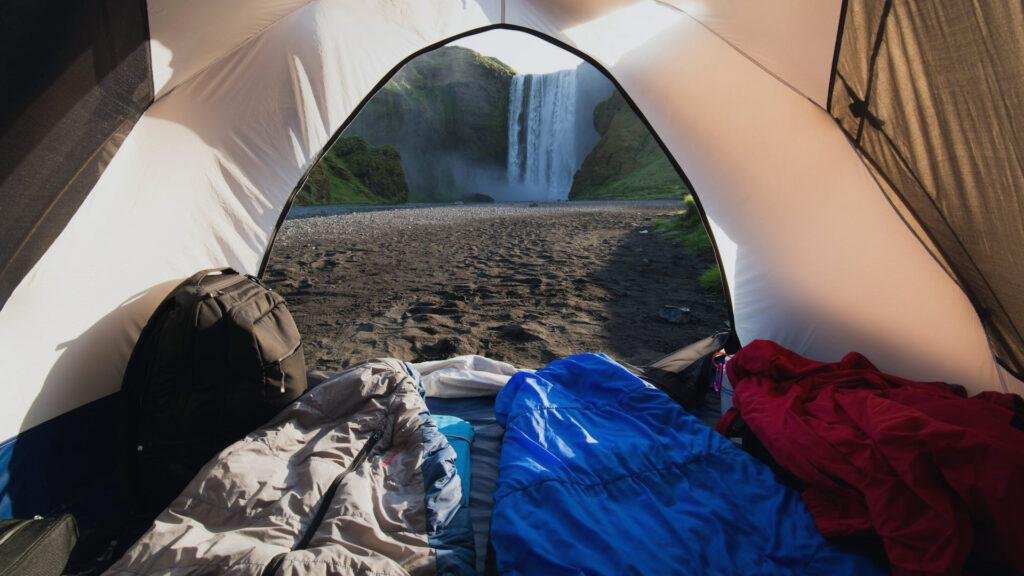
Choose the Right Sleeping Pad or Mattress
Sleeping pads are the backbone of comfort. For many campers, upgrading this one piece of gear makes the biggest difference.
- Self-inflating pads offer reliable cushioning and moderate insulation.
- Thicker air mattresses feel more like home and are great for car camping.
- Camping cots add elevation and pair well with a pad for extra comfort.
If you often wake up sore, look for pads with higher R-values and at least 2-3 inches of thickness. Your body will thank you.
Select a Sleeping Bag for the Right Temperature
Comfort also depends on matching your sleeping bag to the weather.
- Warm bag + cold night = comfort.
- Warm night + warm bag = sweaty, restless sleep.
A 20°F–30°F rated bag works well for most three-season trips. In warmer months, consider a rectangular bag or even a quilt for better airflow.
Don’t Skip a Real Pillow
Pack an actual pillow, not a tiny compressible one, unless space matters. Neck comfort changes your entire sleep quality, especially on multi-night trips.
Layer Your Sleep System for Flexibility
Adding a fleece blanket, thermal liner, or thin top quilt gives you the ability to adjust as the temperature shifts through the night. It’s one of the easiest ways to stay comfortable without overheating or waking up cold.
A proper sleeping system makes tent camping restorative instead of tiring.
Improve Ground Comfort & Insulation
A tent’s floor is the foundation of your comfort. If the ground underneath is uneven, cold, or damp, you’ll feel it through your entire sleep system, no matter how good your sleeping pad is.
Here’s how to make tent camping more comfortable by improving ground comfort & insulation:
Use a Footprint or Groundsheet
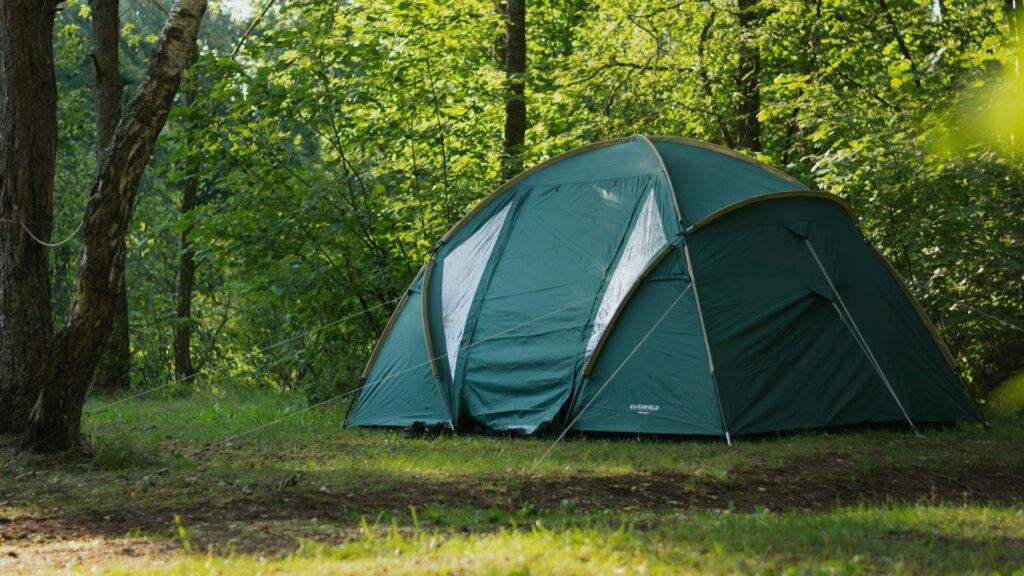
A footprint protects the tent floor from abrasion, moisture, and sharp debris. More importantly, it creates a cleaner, drier, and slightly softer base.
- Keeps the bottom of the tent from feeling cold and damp
- Adds a thin layer of insulation
- Helps your tent last longer
Add a Soft Layer Inside the Tent
Adding comfort on the inside makes just as much difference as the footprint beneath.
Great options include:
- lightweight foam tiles
- a camp rug
- folded fleece blankets
- foam exercise mats
These help reduce cold from the ground, soften the feel of the tent floor, and create a more home-like surface under your sleeping system.
Level the Ground Before Setting Up
A few minutes spent clearing rocks, pinecones, and small bumps can completely change your night. Run your hand across the ground to feel for hidden pressure points.
Smooth out the soil if you can. The more even the base, the more rested you’ll feel in the morning.
Add Extra Insulation in Cold Weather
Suppose the temperature drops at night. Adding a reflective emergency blanket or foam layer beneath your pad can make a huge difference. Even in mild temperatures, a little extra insulation keeps your body heat from draining into the ground.
For more cold-night strategies, my guide on how to stay warm camping in a tent goes deeper into insulation techniques that pair perfectly with this setup.
A comfortable floor is one of the most practical upgrades you can make.
Optimize Tent Ventilation and Airflow
Good ventilation is one of the most underrated parts of comfort. When a tent doesn’t breathe well, the air inside becomes heavy and humid, sleep feels warmer than it should, and condensation forms on the walls by morning.
With a few simple adjustments, you can keep the interior fresh, balanced, and far more pleasant throughout the night.
Here’s how to make tent camping more comfortable by optimizing tent ventilation and airflow:
Use Mesh Windows and Panels Wisely
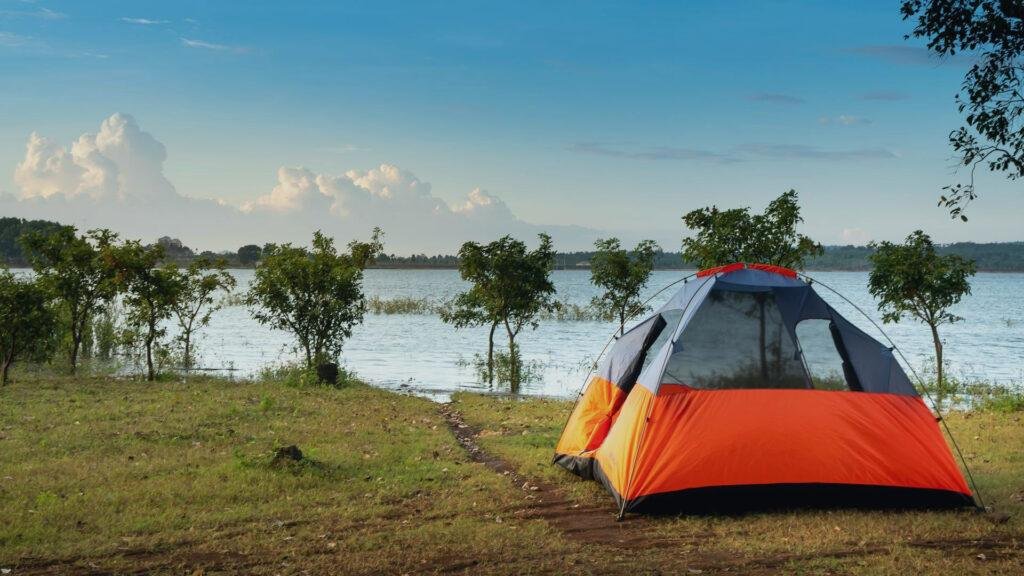
Most tents rely on mesh ceilings and windows to circulate air. Opening them even a little helps warm air rise and escape.
If privacy is a concern, crack them from the top down.
If wind direction is predictable, open the opposite side to create a cross-breeze.
Position Your Tent to Catch Natural Airflow
If possible, set up your tent so a gentle breeze brushes the mesh side. Avoid placing your tent behind dense bushes or barriers that block airflow.
A small shift in orientation can change how the tent feels inside.
Use Vents to Reduce Moisture Buildup
Many tents have adjustable ground vents. Opening these helps cool, fresh air enter from below while warm air escapes through the top.
This reduces the condensation that often appears after temperature drops overnight.
Balance Ventilation with Temperature
On warm nights, open windows higher and wider to release heat. On cooler nights, crack them slightly. Even minimal airflow helps limit moisture without letting the interior get too chilly.
Avoid Blocking Ventilation With Gear
Make sure duffels, sleeping bags, and clothing aren’t pressed against the walls, which restricts airflow and increases condensation.
Try to keep a few inches of clearance around the edges.
Use a Portable Fan in Hot Weather
A small battery-powered fan does a lot more than move air. It keeps temperatures manageable and makes the tent feel more open. Hang it from the gear loft or place it low to circulate cool air upward.
A well-ventilated tent feels lighter, cooler, and more breathable, and that comfort lasts throughout the night.
Check out product reviews if you are looking to find the right tent for you.
Manage Temperature Inside the Tent
Temperature comfort can make or break a night outdoors. Even a well-built tent won’t feel good if the interior gets too warm during the day or too cool once evening settles in.
With a few intentional adjustments, you can create a more balanced environment that supports better rest, no matter the weather.
Here’s how to make tent camping more comfortable by managing temperature inside the tent:
Hot-Weather Comfort
Warm nights can feel heavy inside a tent, especially when heat gets trapped beneath the rainfly. These small adjustments help keep the interior cooler and more breathable.
Open the Upper Vents Early
Ventilation works best before the tent heats up. Opening mesh windows and roof panels early in the evening allows warm air to escape instead of building up inside.
Use Shade to Your Advantage
If possible, set up your tent under partial shade or orient it so the morning sun doesn’t blast directly against the broadest wall. Even a small shift in positioning helps keep the interior cooler.
Lift the Rainfly When Weather Allows
On calm, dry nights, raising or partially removing the rainfly dramatically increases airflow. Just make sure the weather is stable before you commit.
Use a Portable Fan
Battery-powered or USB fans create a gentle, steady breeze that makes the tent feel far less stagnant. Position it low so it circulates cooler air upward.
Cold-Weather Comfort
Cool nights require a different strategy. Heat rises quickly inside a tent, and without the right setup, the interior can lose warmth faster than you’d expect.
Add Insulation Beneath Your Sleeping System
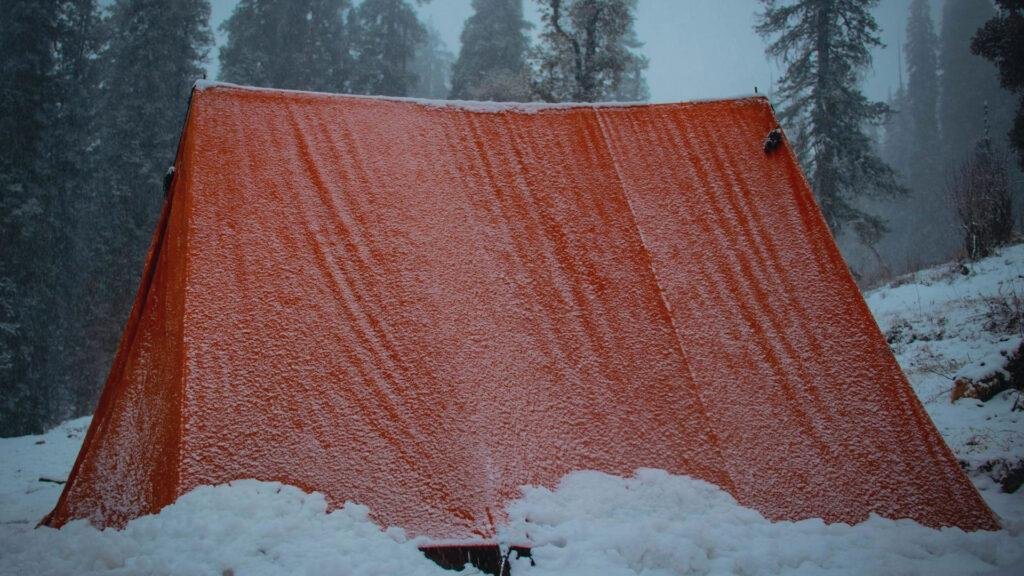
Cold often comes from the ground up. A thicker sleeping pad, foam tiles, or a reflective layer beneath your pad keeps warmth from escaping.
Vent Slightly to Reduce Moisture
It might seem counterintuitive, but cracking a vent helps dampen air escape. This reduces the cold, clammy feeling that condensation creates on winter or late-season nights.
Use Layered Sleep Systems
A warm sleeping bag, supplemented by a fleece blanket or top quilt, gives you flexibility as the temperature shifts through the night.
If cold-night comfort is your priority, how to stay warm camping in a tent pairs well with this section and fills in the insulation side of the equation.
Plan for Temperature With Your Trip Setup
Checking the forecast, studying the area’s elevation, and planning gear accordingly makes a bigger difference than most campers realize. Temperature management is about small, consistent adjustments that work together to create a calmer, more comfortable sleeping environment.
Bring Comfort Items
A few small items can completely shift how your tent feels once the sun goes down. These aren’t luxury add-ons. They’re simple pieces of gear that quietly improve sleep, organization, and the overall rhythm of your trip.
Most of them take up very little space but make the interior of your tent feel more like a place you actually want to relax in.
Here’s how to make tent camping more comfortable by bringing comfort items when camping:
Bring a Real Pillow
A full-size pillow does more for comfort than almost any other single item. Inflatable pillows work in a pinch, but a real one supports your neck, reduces stiffness, and helps you fall asleep faster. If you take only one comfort upgrade, make it this.
Use a Soft Blanket or Camp Quilt
A lightweight fleece or synthetic blanket adds warmth on cold nights and breathability on warm ones. It also makes your sleeping setup feel more like home, something I emphasized when talking about sleep systems in what to pack when camping.
Pack a Good Camp Chair
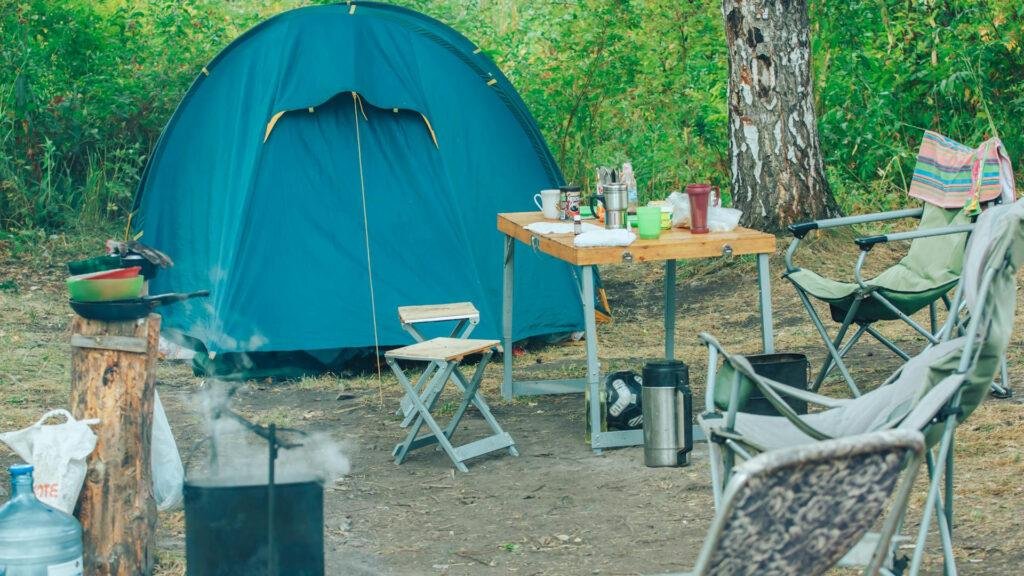
A comfortable chair changes your entire evening routine. Instead of sitting on the ground or leaning against logs, you get proper back support for reading, cooking, stargazing, or talking around camp.
Bring a Small Side Table
A folding table gives you a clean place to keep water bottles, snacks, lanterns, or personal items. Inside the tent, it keeps essentials within reach and reduces clutter near your sleeping area.
Use Quality Lanterns & Soft Lighting
Warm, diffused light inside a tent creates a calm, relaxing atmosphere. Hanging lanterns or dimmable LED lights make nighttime activities, reading, organizing, or prepping gear, much more comfortable and less harsh.
Pack Organizational Gear
Mesh pockets, hanging organizers, and zip pouches keep essential items off the floor and easy to find. This ties directly into what I covered in the blog section of the site, where organization is one of the simplest comfort improvements most campers overlook.
These small comforts don’t take away from the outdoor experience; they make it easier to enjoy.
Keep Your Tent Organized
A well-organized tent feels larger, calmer, and easier to live in. When everything has a place, you spend less time searching for gear and more time actually enjoying the trip.
Good organization also improves airflow, reduces tripping hazards, and keeps the tent cleaner, especially on multi-night campouts.
Here’s how to make tent camping more comfortable by keeping your tent organized:
Use Built-In Storage Pockets
Most tents include small mesh pockets along the walls. Use these for essentials you reach for often:
- headlamps
- phones
- toiletries
- small tools
Keeping these items off the floor reduces clutter and frees up sleeping space.
Hang a Gear Loft or Organizer
A gear loft provides an overhead storage space for lightweight items like gloves, hats, or maps. Hanging organizers also work well for keeping small items visible and accessible.
They make the interior feel more structured, especially in larger tents with multiple sleepers.
Create Clear Pathways
Before settling in, take a moment to arrange the sleeping area so bags and clothing don’t block movement. Clear pathways make nighttime navigation easier and prevent you from stepping on gear in the dark.
If you need ideas for a better campsite layout, the guide on how to plan a camping trip covers simple choices that improve comfort from the start.
Keep Gear Away From Tent Walls
Sleeping bags, duffels, and clothing pressed against tent walls reduce airflow and cause condensation buildup. Leave a few inches of space between gear and the fabric to help the tent breathe better.
Use Small Containers or Zip Pouches
Grouping gear by category (kitchen items, toiletries, electronics) makes it easier to find things quickly. A few lightweight pouches keep everything tidy without taking up much room.
A clean, organized tent feels more spacious and more comfortable, and it makes every part of the trip flow more smoothly.
Improve Tent Lighting & Atmosphere
Lighting plays a bigger role in comfort than most campers expect. The right setup makes your tent feel calmer, cozier, and far easier to move around in once the sun goes down.
With just a few simple choices, you can turn the interior into a warm, relaxing space rather than a dark room you rush through before bed.
Here’s how to make tent camping more comfortable by improving tent lighting & atmosphere:

Use Soft, Warm Lighting Instead of Harsh LEDs
Harsh white LEDs can make the tent feel clinical and overly bright. Look for lanterns or string lights with a warm color tone, which creates a gentler atmosphere that’s easier on the eyes at night.
These work well for reading, organizing, or just unwinding after a long day.
Hang Lighting Instead of Placing It on the Ground
Hanging lanterns from a gear loft or loop spreads light evenly through the tent. This removes glare and creates a softer glow that makes the interior feel larger and calmer.
Use Multiple Small Light Sources
Instead of relying on one bright lantern, mix in smaller lights:
- headlamps
- pocket-sized lanterns
- dimmable string lights
Layered lighting creates a more natural ambiance and avoids harsh shadows.
Create a Nighttime Routine With Lighting
Use softer lights as you wind down, then switch to dim or red-light settings before bed. This helps your eyes adjust gradually and makes it easier to fall asleep in a new environment.
Keep a Small Light Accessible at Night
Place a small lantern or headlamp near your sleeping bag so you can reach it easily without rummaging around. This simple step reduces nighttime stress and makes the tent feel more comfortable and familiar.
Good lighting is one of the simplest ways to make your tent feel warm, calm, and inviting.
Reduce Noise for Better Sleep
Even a comfortable tent setup can feel restless if noise keeps you awake. Wind, rustling trees, nearby campers, and unfamiliar nighttime sounds all build up when you’re trying to fall asleep.
Reducing noise doesn’t silence the outdoors. It helps create a calmer, more predictable environment so your body relaxes naturally.
Here’s how to make tent camping more comfortable by reducing noise for better sleep:
Use Earplugs for Instant Relief
Soft foam or silicone earplugs are one of the simplest ways to improve sleep at camp. They reduce sudden noises and steady background sounds without blocking out important cues, like a loud storm or someone calling from outside.
Choose Your Campsite Carefully
Avoid placing your tent near:
- busy paths
- parking areas
- group sites
- thin or rattling trees
- running generators
If possible, set up near natural noise barriers like bushes, boulders, or gentle terrain shifts.
Use White Noise if Needed
A small battery-powered fan or a quiet white-noise app (if you’re using your phone sparingly) helps mask inconsistent nighttime sounds. This works especially well for light sleepers or campers unused to outdoor soundscapes.
Secure Loose Gear Outside
Flapping tarps, dangling straps, and loose items create unexpected noises in the wind. Tighten lines and stash gear under the tent’s vestibule or inside the vehicle to keep things quiet.
Keep the Tent Interior Organized
A clutter-free tent reduces any accidental bumps, rustles, or gear shifting at night. Soft bags and pouches also make less noise when you move around than rigid bins or plastic containers.
A quieter tent creates a more restful environment, helping you fall asleep faster and wake up feeling more refreshed.
Manage Campsite Location & Layout
Where you place your tent has a bigger impact on comfort than almost any piece of gear you bring. A well-chosen campsite keeps your tent cooler during the day, warmer at night, quieter after dark, and drier when weather shifts.
With a few simple habits, you can turn nearly any location into a more comfortable place to sleep.
Here’s how to make tent camping more comfortable by managing campsite location & layout:
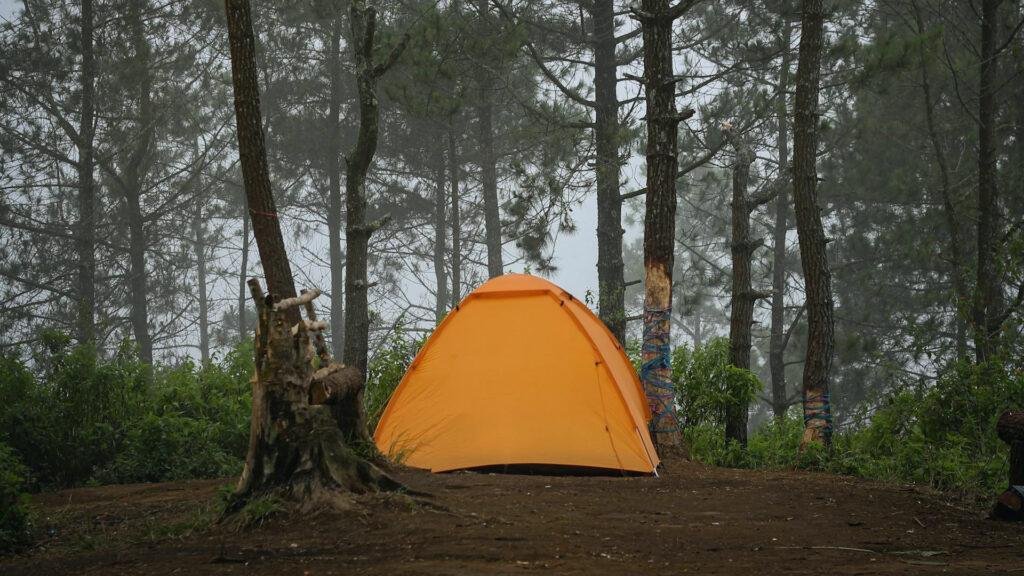
Choose Level Ground First
A flat, even surface matters more than it seems. Sleeping on a slope, even a slight one can cause you to slide in your bag, roll toward a wall, or wake up with tense muscles.
Take a moment to stand in different spots and feel for subtle tilts before pitching the tent.
Use Shade to Control Temperature
If shade is available, take advantage of it. Setting your tent under morning or early-afternoon shade keeps the interior cooler and prevents that thick, trapped heat that can build up under a rainfly.
Check Wind Direction Before Setting Up
Place the tent door away from the prevailing wind to reduce noise, drafts, and dust. If your tent has vents, position them so they catch a gentle breeze for balanced airflow.
Avoid Low Spots
Low terrain collects water during rain, even light rain. Always look for slightly raised or at least even ground. If you see compacted, bowl-shaped earth or areas with flattened grass, avoid them. They often mark places where water pools.
Consider Distance From Water
Being close to lakes or rivers is enjoyable, but cold air settles near water at night. If you’re camping in cooler temperatures, pitch the tent slightly back from the shoreline to avoid the damp chill.
Watch for Overhead Hazards
Avoid setting up directly under:
- dead branches
- leaning trees
- heavy limbs
Wind or nighttime shifts can bring down debris unexpectedly.
Design a Functional Layout
Place your tent so the entrance faces your cooking or sitting area. This reduces trips around the tent at night and makes the entire campsite feel more connected and intuitive.
A thoughtful campsite layout makes your tent feel calmer, cleaner, and more comfortable before you even begin setting it up.
Common Mistakes That Make Camping Less Comfortable
Even a well-prepared camping trip can feel less enjoyable if a few small details are overlooked. These common mistakes don’t ruin a trip, but they can quietly chip away at your comfort throughout the day and especially at night.
Avoiding them takes almost no extra effort, and the payoff is noticeable.
Here’s how to make tent camping more comfortable by avoiding common mistakes that make camping less comfortable:
Choosing the Wrong Campsite
Setting up on uneven ground, exposed areas, or low spots can lead to restless nights or damp conditions. A few minutes of scouting make a big difference.
Not Ventilating the Tent Properly
Closing every window to “stay warm” often backfires. Without airflow, condensation builds quickly, making the interior clammy and uncomfortable. Cracking vents, just a little, helps maintain a balanced, dry environment.
Skipping Ground Preparation
Leaving sticks, small rocks, or uneven soil beneath the tent leads to pressure points and poor sleep. Smoothing the surface takes less than a minute but improves comfort dramatically.
Using an Underpowered Sleeping Pad
Thin foam pads provide minimal cushioning and little insulation. A thicker pad or mattress improves warmth and comfort more than almost any other gear upgrade.
Overpacking or Poor Organization
Bringing too much gear makes the tent crowded, harder to move around in, and more difficult to keep clean. Simple organization habits like separating sleep gear from clothing make the space feel calmer and more open.
Not Preparing for Temperature Shifts
Even in summer, nights can drop quickly. Arriving with only warm-weather gear often results in cold, restless sleep. Bring at least one extra warm layer and an adaptable blanket.
Ignoring Shade and Wind Direction
A tent placed in direct afternoon sun becomes hot and stuffy. Facing the door into strong winds creates drafts and noise. Small adjustments in orientation make the interior far more comfortable.
Using Harsh Lighting at Night
Bright white light makes the tent feel less relaxing and can interfere with winding down. Warm, diffused lighting is quieter on the eyes and helps build a calmer nighttime rhythm.
Avoiding these simple mistakes creates a much smoother, more enjoyable camping experience and helps your tent feel more like a place designed for rest.
How to Make Tent Camping More Comfortable FAQs
A thicker sleeping pad or an inflatable camping mattress makes the biggest difference. Foam pads are fine in a pinch, but inflatable pads offer better cushioning and insulation. Pairing either with a warm sleeping bag creates a more supportive, restful setup.
Start by insulating the ground; most heat is lost downward. Add a thermal blanket on top of your sleeping pad, wear dry base layers, and keep a warm hat close.
Keep at least one vent cracked, even in cold weather. Avoid bringing wet gear inside and cook outside the tent. Good airflow prevents the interior from feeling damp or chilly.
Not always. A bag that’s too warm can trap moisture and lead to sweaty discomfort. Choose a sleeping bag rated for the expected nighttime temperatures and consider a liner for extra flexibility.
Choose flat ground, clear away rocks or sticks, and orient the door away from strong winds. Adding a small welcome mat outside the entrance keeps dirt out and makes the space cleaner and more relaxing.
Add a foam tile layer or an emergency blanket beneath your sleeping pad. This adds both cushioning and insulation, reducing cold spots on chilly nights.
Use small packing cubes, hang items from interior loops, and assign corners for sleeping gear, clothes, and essentials. A tidy tent feels bigger and reduces the stress of searching for things in low light.
Set up in partial shade and use reflective tarps or a rainfly in shade mode if the design allows. Venting the tent early in the morning also helps prevent heat from building up.
Warm, low-intensity lighting feels much more relaxing than cold white LEDs. Lanterns with adjustable brightness or string lights work well for creating a comfortable evening atmosphere.
Bring a supportive sleeping pad, a well-fitted sleeping bag, warm layers, soft lighting, a lightweight pillow, and a simple camp chair.
Wrapping Up
Making tent camping more comfortable isn’t about expensive gear or overcomplicating the experience. It’s about understanding the small adjustments that create a big difference. With a few smart upgrades, better insulation, thoughtful organization, and a more intentional campsite setup, you can turn any tent into a cozy, reliable base for your outdoor adventures.
Hope this how to make tent camping more comfortable guide helped you to find what you were looking for!
When you’re ready to explore more gear guides, technique breakdowns, and in-depth tent reviews, explore Camped Too Hard and keep learning.
All adventures start with knowledge and I’m here to help you build it.