
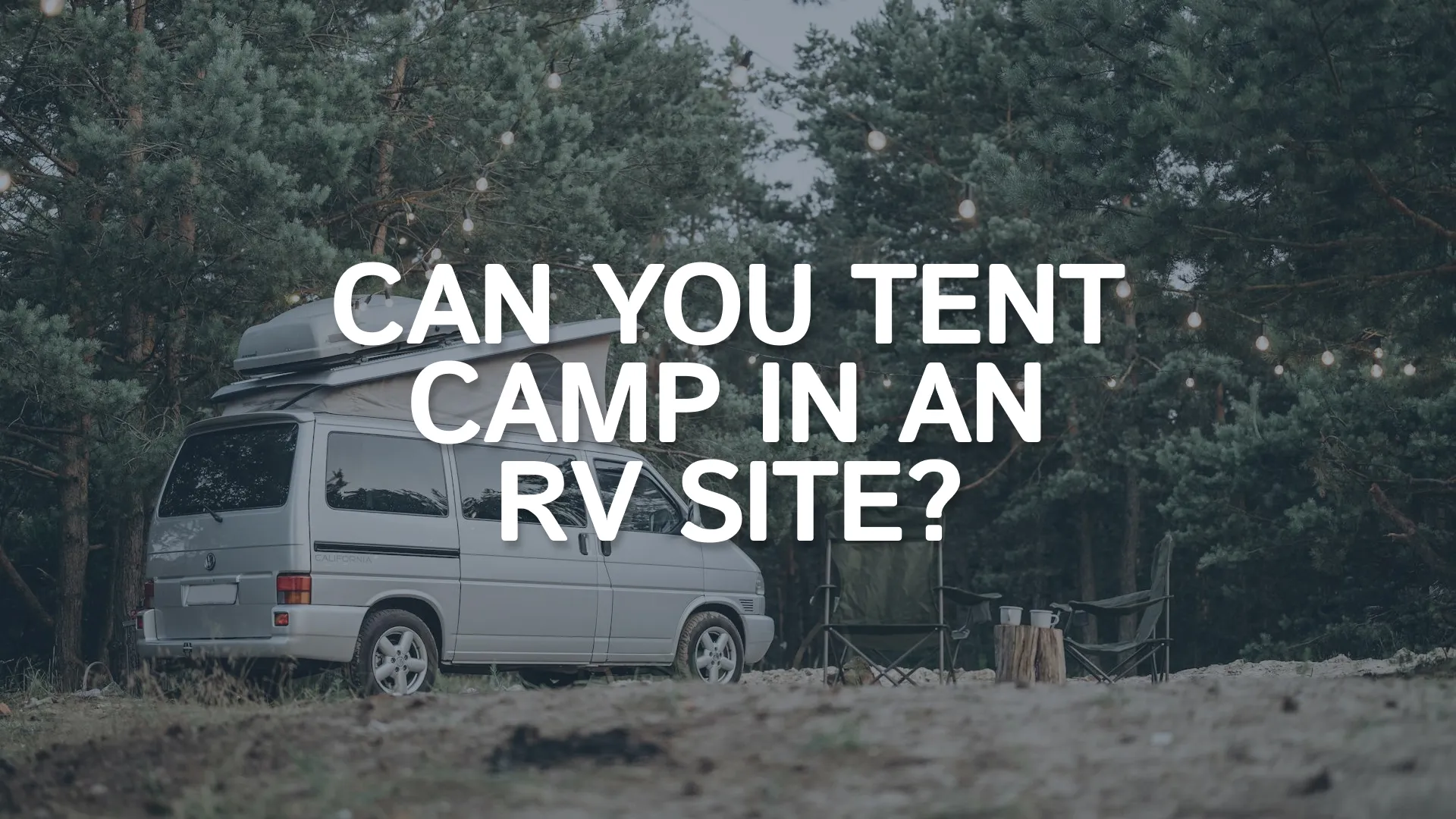
You reach a campground after a long drive. You walk past a row of RV sites. They look open and easy to use. A question comes to mind. Can you tent camp in an RV site?
That question creates confusion for many new campers. Some campgrounds allow it. Others do not. The rules change from place to place.
In this guide, I explain everything you need to know. I show when it is allowed, when it is not, and how to check the rules before you book anything. I also share safety tips, comfort advice, and simple etiquette you should follow. If you want to learn more about staying safe outdoors, you can read my guide on Is tent camping safe?
By the end, you will know exactly what to do when you pull into a campground and wonder where your tent belongs.
RV Site vs Tent Site: What’s the Difference?
RV site vs tent site may look similar at first. But they are built for different needs. Each layout changes how comfortable and practical your stay will be.
RV sites usually include a driveway-style pad made for heavy vehicles. Many have electrical hookups, water connections, and sometimes even sewage lines. These pads are often paved or packed gravel. They support the weight of an RV but can feel hard under a tent. RV sites also tend to be wider to allow large vehicles to turn, park, and extend awnings.
Tent sites focus on ground comfort and simplicity. They often include a flat tent pad, soft soil for stakes, and natural shade. They may sit farther from loud RV areas. Most tent sites do not have electrical hookups, but they usually sit close to restrooms, fire rings, and picnic tables.
These differences matter when you want quiet nights, soft soil, or easy access to power. Understanding the layout helps you decide if an RV site fits your trip.
If you want to plan a campground stay with fewer surprises, you can also read my guide on how to plan a camping trip.
Can You Tent Camp in an RV Site?
The short answer is simple. You can tent camp in an RV site, but only when the campground allows it. Every campground has its own rules. Some encourage mixed use. Others protect RV-only zones to manage safety and parking.
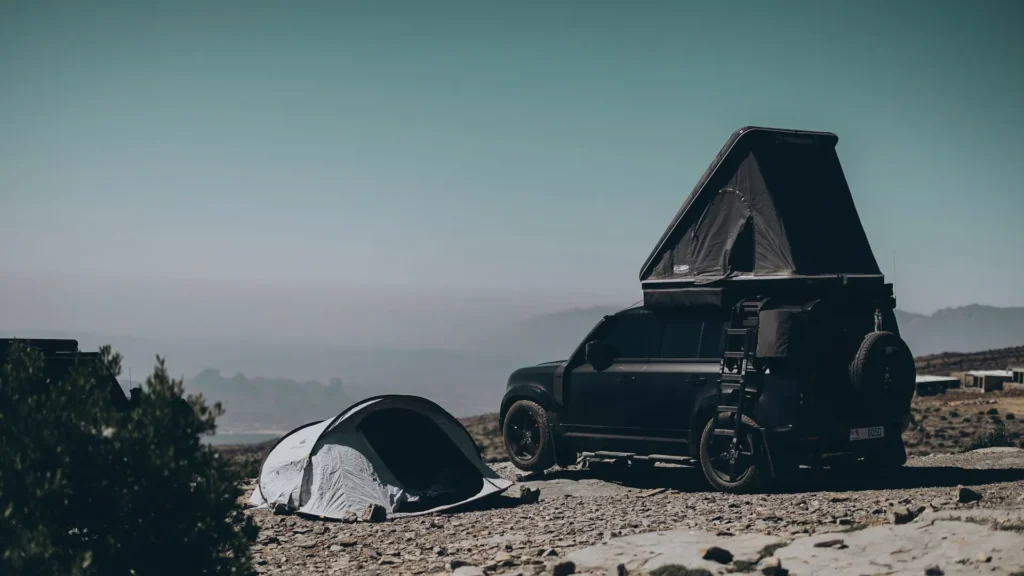
Private RV parks and KOA-style campgrounds often allow tents on RV pads. Many state and national parks also allow it when the site layout works. But some places have strict rules. They may limit tents because of safety concerns, hard surfaces, or generator zones that stay loud through the night.
Before you book, it’s important to check the rules. A quick look at the campground’s website or booking page helps you avoid surprises.
If you want a simple dome tent that fits nicely on both tent pads and many RV sites, the Coleman Sundome 4 Person Tent works well for casual trips.
When Campgrounds DO Allow Tent Camping in RV Sites
Some campgrounds are flexible. They let you set up your tent on an RV site as long as you follow their rules. This is common in places where RV pads and tent pads sit close together, or where sites are built for mixed use.
Private campgrounds like KOA often allow tents on RV sites. Many family-run RV parks do the same. They offer level ground, good spacing, and easy access to basic utilities. Some state and national parks also allow it when the ground surface is suitable for tent stakes.
There are often a few conditions. You may need to place your tent on the grassy area beside the RV pad. You might have limits on how many tents fit in one site. You may also pay a slightly higher fee because RV sites include hookups.
Since RV pads are usually large and flat, they are perfect for massive family shelters. See our top picks for large groups in our guide to the best camping tents.
Electricity is the biggest advantage. Having access to outlets can make your night easier. It helps with lighting, small appliances, or charging your phone.
When Campgrounds DO NOT Allow Tents in RV Sites
Some campgrounds do not allow tents on RV sites at all. Their rules are strict, and they follow them for safety and maintenance. These campgrounds design RV areas for heavy vehicles, hookups, and large turning spaces. A tent does not always fit safely in that layout.
One reason is safety. RVs use extension cords, generators, and heavy equipment. A tent close to these tools is not ideal. Your tent may block access to hookups or sit too close to moving vehicles. Some campgrounds worry about tripping hazards or fire risks.
Another reason is ground surface. Many RV pads are gravel or pavement. Tent stakes do not hold well there. You may also find very little grassy space around the pad.
There are noise concerns too. RV generators run for long hours. Bright lights stay on late. Some campgrounds keep tents away from RV zones to reduce complaints.
Terrain and wildlife rules may also play a role. Some park groups tents together so rangers can monitor them more easily.
If you plan to camp in different site types, you will bring some extra gear. You can check my guide on what to pack when camping.
Pros of Tent Camping in an RV Site
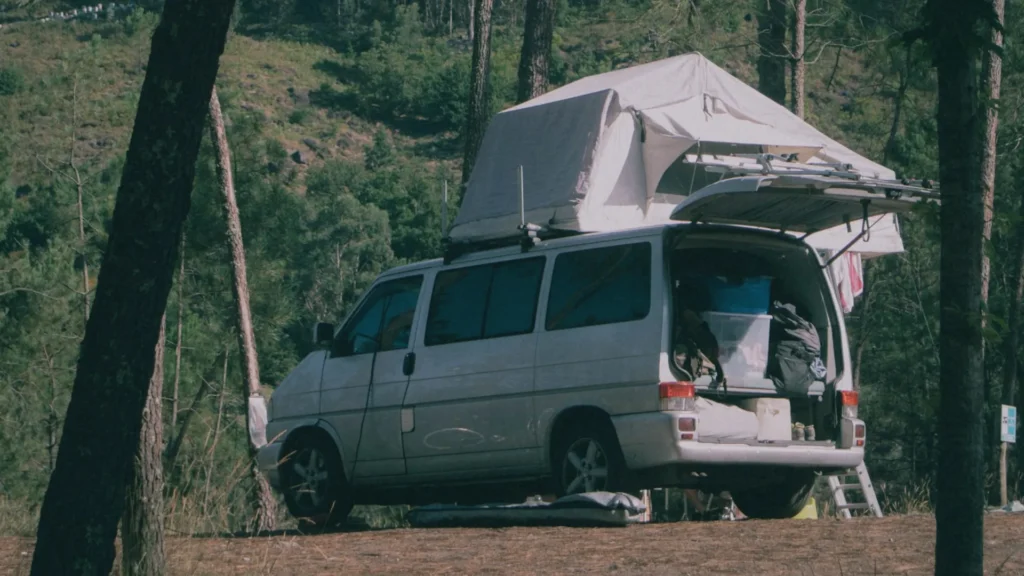
Tent camping on an RV site can be a nice upgrade in some campgrounds. It gives you features that a regular tent site may not have. Many campers enjoy the extra comfort, space, and convenience.
For groups that want fast setup and a huge living area on wide RV pads, the Core 9 Person Instant Cabin Tent is a strong option to look at.
One of the biggest pros is access to electricity. Most RV sites have outlets you can use for lights, charging, or a small fan. This can make your stay easier, especially on longer trips.
RV sites are often closer to bathrooms and water. Some are right beside comfort stations. You walk less and spend more time relaxing.
Another benefit is extra space. RV sites usually have wider pads and bigger surroundings. You get more room for chairs, gear, and cooking. Families like this extra breathing space.
If you want a larger, family-friendly shelter that works well on bigger pads, the Coleman Skydome 6 Person Tent is a solid match for RV-style sites.
These sites can also feel more private. They are spaced out for large vehicles. That means fewer neighbors packed close together.
If comfort matters to you, you can check this helpful guide: How to make tent camping more comfortable.
Cons of Tent Camping in an RV Site
Tent camping on an RV site has its downsides. These sites are built for vehicles, not tents. Some parts may feel uncomfortable or impractical for a tent camper.
The biggest issue is generator noise. Many RV owners run generators for power. The sound can be constant. It can keep you awake at night.
RV sites also tend to have bright lights. Some campgrounds have overhead lamps for RV parking. This can make it harder to sleep in a tent unless you use a good eye mask.
Another downside is the ground surface. Some RV pads are paved or made with gravel. These surfaces are not ideal for tent stakes. You may need extra gear to secure your shelter.
You will also notice that RV sites cost more. They include hookups and larger spaces. Tent campers often pay the same rate as RVs. This might not feel fair if you do not use the utilities.
Solo campers who need a small footprint on mixed-use or RV-style sites might prefer the Naturehike Cloud Up 1 instead of a larger dome.
How to Check Campground Rules Before You Go
Every campground sets its own rules. This is why you must check their policy before booking an RV site for tent camping. It helps you avoid surprises when you arrive.
Start by calling the campground office. This is the fastest way to get a clear answer. Staff can tell you if tents are allowed on RV pads and what conditions apply.
Next, read the rules on the campground’s website. Many parks clearly list whether tent camping is permitted in RV sections. Some even include maps that show mixed-use sites.
You can also look at campground booking pages. They often share important notes about RV-only or tent-only areas. These pages help you see limits before you book.
Check out the official campground tent camping rules and reservations policies.
Tent Camping Etiquette in RV Sites (If Allowed)
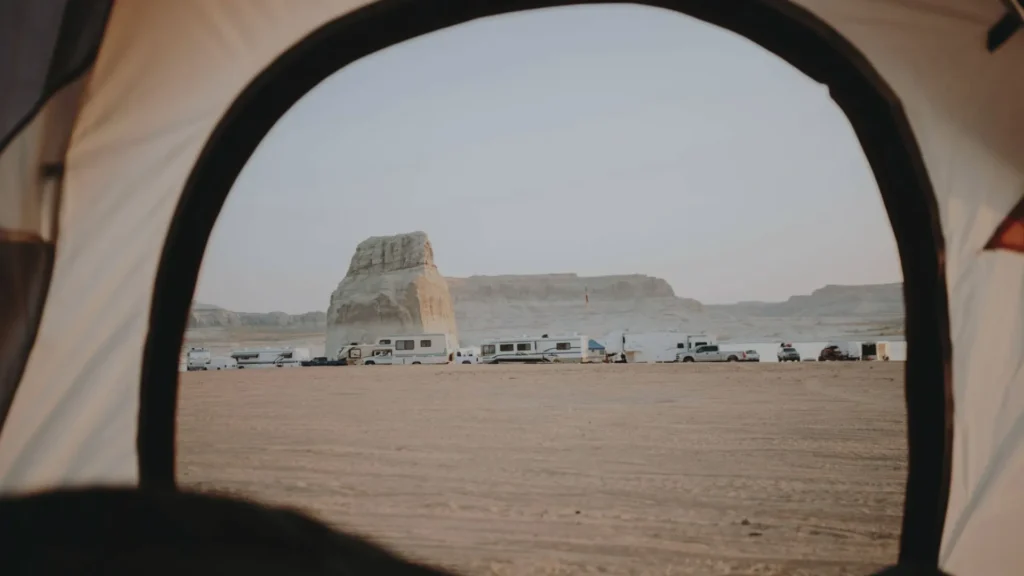
If the campground allows tents in RV sites, it’s important to follow good etiquette. This helps you avoid problems with RV owners and campground staff.
Do not place your tent on or near the hookups. RV campers need space to connect their water, power, and sewer lines. Keep your tent clear of these areas.
Avoid blocking the driveway. RVs need wide turning space, and a small tent in the wrong spot can cause issues.
If you like keeping a small, tidy setup that fits neatly on an RV site without blocking space, the Coleman Sundome 3 Person Tent is a good compact option.
Be respectful with noise levels, especially around generators. RV campers often run generators during certain hours. Try to set up a little farther from these areas if possible.
Keep your lights low at night. RV areas often have more activity and lighting, so be mindful of headlamps and lanterns.
Clean your site well before you leave. RV pads are usually concrete or gravel, and trash stands out more. A clean site respects the next camper.
Safety Tips for Tent Camping in RV Sites
Safety matters when you set up a tent in an RV zone. RV areas work differently than regular tent sites, so a few adjustments help you stay safe.
Keep your tent away from vehicles. RVs may arrive late or leave early. A safe distance keeps you out of their path.
Be careful with extension cords. RV sites often have power hookups. Some campers run cords across the ground. Keep your tent clear of these lines so no one trips.
Store food well. RV sites can attract wildlife because people cook often. Use sealed containers and keep food away from the tent.
Stay visible at night. Use a small light or reflective gear so RV drivers notice your tent.
If you prefer a compact shelter that fits easily on tight RV pads or mixed-use sites, the Naturehike Cloud Up 2 is a good lightweight choice.
FAQs
Some campgrounds allow it. Many do not. Each campground sets its own rules, so you must check before you arrive. If a site is marked “RV-only,” it often means tents are restricted.
Sometimes. RV sites often cost more because they include hookups and larger spaces. Some campgrounds charge the RV rate even if you use only a tent.
Yes, if the campground allows it and you keep a safe distance from vehicles and cords. Night visibility also helps.
You can use the electrical outlet if the campground permits it. Water and sewer hookups are not meant for tents. Ask the campground staff before plugging in any devices.
Some restrict tents because of safety, wildlife patterns, or limited space. Others do it to keep RV traffic flowing smoothly or to avoid blocking hookups.
They can be. RV sites often have more space and easier access to bathrooms. But they can also be brighter and louder because of generators.
Some campgrounds allow more than one tent if the site is large. Others limit it to one. Always confirm during booking.
Some pads are paved or packed with gravel. Standard stakes may not work well. Bring heavy-duty or screw-style stakes if you want to camp on a firm surface.
Wrapping Up
Tent camping in an RV site can work well when a campground allows it. The rules change from place to place, so checking ahead always saves trouble.
It also helps you plan the right gear and the right site for your trip. RV spots offer comfort. They also bring noise and bright lights. Understanding both sides makes the choice easier.
If you want to explore more guides, visit the camping tents category. You can also return to the homepage for the latest posts. For more helpful articles, check the blog page.